Table of Contents
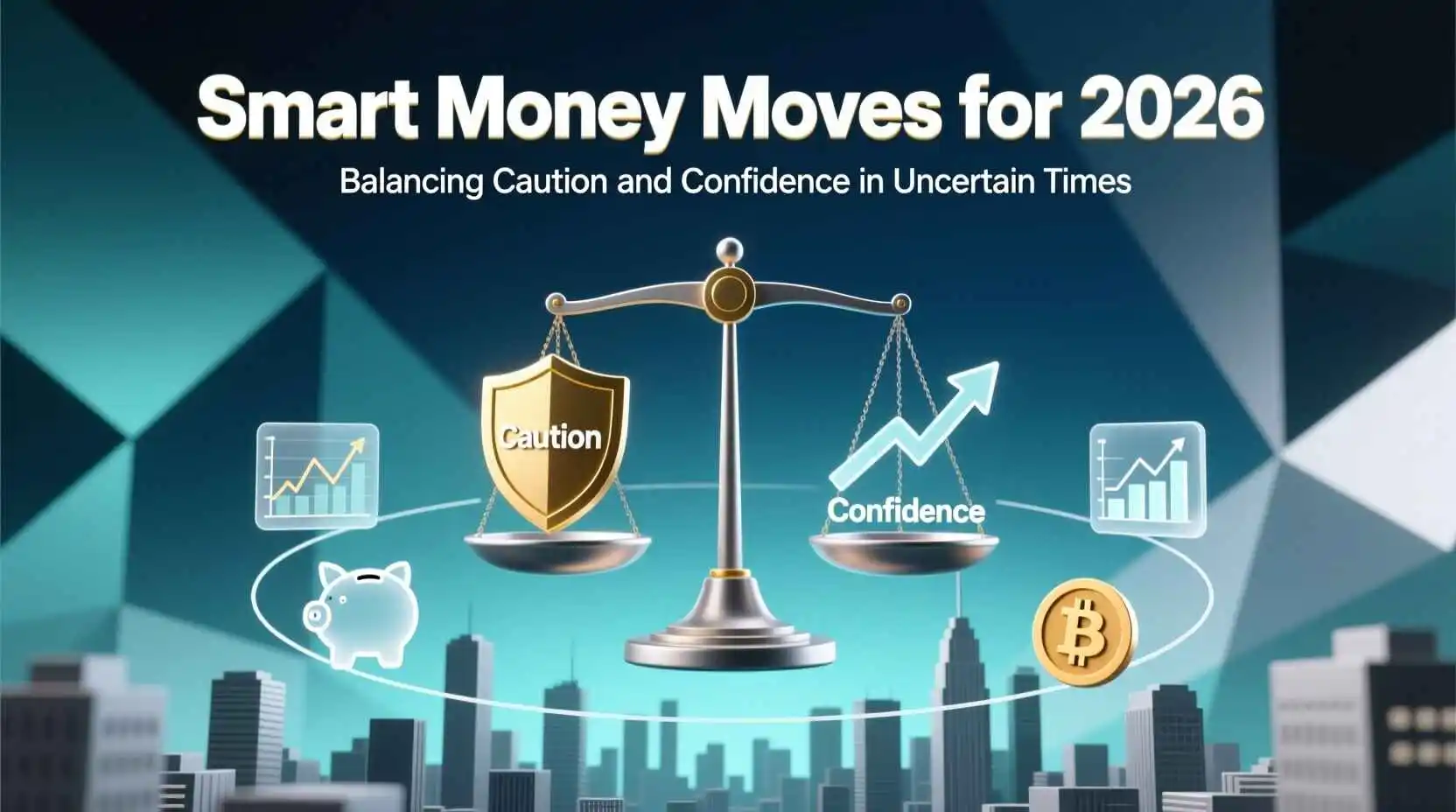
Smart Money Moves for 2026: Balancing Caution and Confidence in Uncertain Times
Introduction: Navigating Economic Uncertainty with Financial Wisdom
As we approach 2026, the global economic landscape presents both challenges and opportunities that require a balanced approach to personal finance. The specter of potential recession, inflation concerns, and geopolitical uncertainties can create anxiety for many individuals and families. However, history has shown that those who prepare strategically and maintain financial discipline often emerge from economic downturns stronger and more resilient.
This comprehensive guide will explore practical, evidence-based strategies for managing your finances in uncertain times. We’ll examine how to balance caution with confidence, build financial resilience, and position yourself to thrive regardless of economic conditions. Whether you’re concerned about job security, investment volatility, or simply want to strengthen your financial foundation, these smart money moves can help you navigate 2026 with greater peace of mind.
Understanding the Current Economic Landscape
Economic Indicators to Watch in 2026
The economic environment in 2026 is shaped by several key factors that every savvy investor and financial planner should monitor:
Interest Rate Environment Central banks around the world continue to navigate the delicate balance between controlling inflation and supporting economic growth. As we move into 2026, interest rates remain a critical factor affecting borrowing costs, savings returns, and investment strategies.

Inflation Trends Understanding inflation patterns helps in making informed decisions about spending, saving, and investing. The rate at which prices increase directly impacts purchasing power and financial planning.
Employment Statistics: Job market conditions influence income stability and consumer confidence. Tracking unemployment rates and industry-specific employment trends provides valuable insights into economic health.
Consumer Confidence Index. This metric reflects public sentiment about the economy, which can influence spending patterns and investment decisions.
Housing Market Indicators: Real estate values and mortgage rates significantly impact household wealth and monthly expenses.
Global Economic Factors International trade relations, supply chain disruptions, and geopolitical events can have far-reaching effects on domestic economies.
Historical Perspective: Recession Cycles and Recovery Patterns
Examining past economic cycles provides valuable lessons for current financial planning:
Recession Frequency and Duration. On average, economies experience recessions every 5-10 years, with durations varying from several months to over a year.
Recovery Patterns Historical data show that markets and economies eventually recover, often leading to new growth phases. The key is positioning your finances to benefit from these cycles.
Sector Performance During Downturns Certain industries tend to perform better than others during economic contractions, offering opportunities for strategic investment.
Consumer Behavior Shifts Economic uncertainty typically leads to changes in spending habits, saving rates, and investment preferences.
Building a Financial Foundation: The Essentials
Emergency Fund: Your Financial Safety Net
Why It Matters: An emergency fund serves as a critical buffer against unexpected expenses and income disruptions. In uncertain economic times, this becomes even more important.
Recommended Amount: Financial experts generally recommend saving 3-6 months of living expenses. However, the ideal amount varies based on individual circumstances, job stability, and dependents.
Where to Keep Your Emergency Fund: High-yield savings accounts, money market accounts, or short-term certificates of deposit (CDs) offer liquidity and some return while keeping funds accessible.
Building Your Emergency Fund: Start with small, consistent contributions and gradually increase as your financial situation improves. Automating savings can help maintain consistency.
Debt Management: Reducing Financial Leverage
Prioritizing High-Interest Debt: Credit card debt and other high-interest loans should be paid down aggressively, as they can quickly erode financial stability.
Mortgage Considerations: Evaluate your mortgage terms, considering refinancing opportunities or adjusting payment schedules based on interest rate environments.
Student Loan Strategies: Explore income-driven repayment plans or refinancing options that may provide relief during economic uncertainty.
Avoiding New Debt In uncertain times, minimizing new debt obligations helps preserve financial flexibility and reduces vulnerability to income shocks.
Budgeting for Uncertainty: Adaptable Financial Planning
Zero-Based Budgeting. This approach requires allocating every dollar of income to specific purposes, providing clarity on spending patterns, and identifying areas for adjustment.
Expense Categorization Distinguishing between essential and discretionary expenses helps prioritize spending and identify potential cuts if needed.
Flexible Budgeting: Creating budget scenarios for different economic conditions allows for quicker adaptation when circumstances change.
Regular Review and Adjustment: Monthly budget reviews ensure your financial plan remains aligned with your goals and economic realities.
Investment Strategies for Uncertain Times
Diversification: The Timeless Principle
Asset Class Diversification Spreading investments across different asset classes (stocks, bonds, real estate, commodities) reduces overall portfolio risk.
Geographic Diversification International investments can provide exposure to growth opportunities and reduce dependence on domestic market performance.
Sector Diversification: Allocating across various industries helps mitigate sector-specific risks and economic downturn impacts.
Rebalancing Regularly Periodic portfolio adjustments maintain desired risk levels and capitalize on market movements.
Defensive Investing: Protecting Capital
High-Quality Bonds: Government and high-grade corporate bonds can provide stability and income during market volatility.
Dividend-Paying Stocks: Companies with consistent dividend payments offer potential income and may be more resilient during economic downturns.
Gold and Precious Metals: These traditional safe-haven assets can provide portfolio protection during periods of market stress.
Real Estate Investment Trusts (REITs) offer real estate exposure with liquidity and potential for stable income.
Opportunity Investing: Positioning for Growth
Dollar-Cost Averaging Regular, fixed-dollar investments regardless of market conditions can reduce timing risk and potentially lower average costs.
Value Investing: Focusing on fundamentally strong companies trading below their intrinsic value can provide opportunities during market downturns.
Growth Sectors: Identifying industries with long-term growth potential, such as technology, healthcare, and sustainable energy.
Alternative Investments: Consider private equity, hedge funds, or venture capital for qualified investors seeking diversification.
Income Enhancement and Career Strategies
Multiple Income Streams: Reducing Dependency Risk
Side Businesses and Freelancing: Developing additional income sources can provide financial security and growth opportunities.
Passive Income Opportunities: Real estate rentals, dividend stocks, and digital products can generate income with varying levels of active involvement.
Skill Monetization: Leveraging professional skills through consulting, teaching, or freelance work.
Entrepreneurial Ventures: Starting a business aligned with market needs and personal strengths.
Career Resilience and Adaptability
Continuous Learning: Investing in skills development enhances employability and income potential.
Industry Diversification: Understanding opportunities across multiple sectors reduces career-specific risks.
Networking and Relationship Building: Professional connections can provide opportunities and support during economic transitions.
Resume and Skills Assessment: Regularly updating your professional profile and identifying transferable skills.
Retirement Planning in Uncertain Economic Times
Re-evaluating Retirement Goals
Retirement Timeline Adjustments: Consider whether current savings and market conditions support your desired retirement timeline.
Spending Assumptions Review: Reassess retirement expense estimates based on current economic realities and potential inflation impacts.
Healthcare Cost Planning Medical expenses represent a significant retirement cost that requires careful planning.
Longevity Considerations Plan for longer lifespans and associated financial needs.
Retirement Account Strategies
401(k) and IRA Optimization: Maximize contributions and understand tax implications of different account types.
Roth Conversion Opportunities: Evaluate converting traditional retirement accounts to Roth during market downturns.
Required Minimum Distribution (RMD) Planning: Understand and plan for RMD requirements and potential tax impacts.
Employer-Sponsored Plans: Take full advantage of employer matching contributions and understand plan features.
Real Estate Considerations
Homeownership vs. Renting Decisions
Market Timing: Evaluate whether current market conditions favor buying or renting based on your financial situation.
Affordability Assessment: Consider mortgage rates, property taxes, maintenance costs, and potential appreciation.
Location Strategy: Assess regional economic stability and growth prospects when considering real estate investments.
Rental Property Opportunities: Evaluate cash flow potential and long-term appreciation for investment properties.
Real Estate Investment Strategies
Diversification Through Property Real estate can provide portfolio diversification and a potential inflation hedge.
Financing Considerations: Understand mortgage options and how interest rate environments affect investment returns.
Property Type Analysis: Single-family homes, multifamily properties, and commercial real estate each have different risk-return profiles.
Market Research: Analyze local market conditions, rental demand, and economic indicators for investment decisions.
Tax Planning and Optimization
Understanding Current Tax Landscape
Legislative Changes Stay informed about tax law changes that may affect your financial planning.
Tax Brackets and Rates: Understand how income levels correspond to tax rates and plan accordingly.
Deduction and Credit Opportunities: Maximize available tax benefits through strategic planning.
State and Local Tax Considerations: Different jurisdictions have varying tax structures that impact the overall tax burden.
Tax-Efficient Investment Strategies
Tax-Advantaged Accounts Utilize 401(k)s, IRAs, HSAs, and other tax-advantaged vehicles.
Tax-Loss Harvesting: Strategically selling investments at a loss to offset capital gains.
Asset Location Optimization: Place tax-inefficient investments in tax-advantaged accounts.
Charitable Giving Strategies Leverage charitable donations for tax benefits while supporting causes you care about.
Insurance and Risk Management
Essential Insurance Coverage
Health Insurance protects against medical expense risks, especially during economic uncertainty.
Life Insurance ensures dependents are protected regardless of economic conditions.
Disability Insurance Income protection in case of inability to work due to illness or injury.
Long-Term Care Insurance Planning for Potential Future Care Needs.
Reviewing Coverage Adequacy
Policy Evaluation: Regularly assess whether current coverage amounts and types meet your needs.
Premium Optimization Balance coverage levels with affordability, especially during tight financial times.
Provider Comparison Shop around for competitive rates and coverage options.
Policy Updates: Adjust coverage as life circumstances and financial situations change.
Estate Planning Basics
Why Estate Planning Matters
Asset Protection: Ensure your assets are distributed according to your wishes and protected from unnecessary taxes.
Beneficiary Designations: Properly designate beneficiaries for all accounts and policies.
Guardianship Planning: For those with minor children, designate guardians in case of incapacity or death.
Business Succession: For business owners, plan for a smooth transition and continuity.
Essential Estate Planning Documents
Will clearly state the distribution of assets and guardianship preferences.
Trusts provide more control over asset distribution and potential tax benefits.
Power of Attorney: Designate someone to make financial and medical decisions if you’re unable to.
Healthcare Directive: Specify medical treatment preferences in case of incapacity.
Technology and Financial Management
Digital Tools for Financial Organization
Budgeting Apps Track spending, set goals, and monitor progress toward financial objectives.
Investment Platforms Utilize online platforms for research, trading, and portfolio management.
Financial Dashboards: Aggregate financial information for a comprehensive view and analysis.
Automation Tools Set up automatic savings, bill payments, and investment contributions.
Cybersecurity Considerations
Financial Account Protection: Use strong passwords, two-factor authentication, and monitor accounts regularly.
Identity Theft Prevention: Implement measures to protect personal and financial information.
Secure Financial Communications: Be cautious with sharing financial information online or over the phone.
Regular Security Updates: Keep software and apps updated to protect against vulnerabilities.
Family Financial Communication
Discussing Money Matters
Open Dialogue: Create an environment where financial concerns and goals can be discussed openly.
Goal Alignment: Ensure family members understand and support financial objectives.
Teaching Financial Literacy: Educate children and dependents about money management and financial responsibility.
Estate Planning Discussions Address inheritance expectations and plans to avoid future conflicts.
Intergenerational Financial Support
Supporting Adult Children: Provide guidance and support without enabling dependency.
Caring for Aging Parents: Plan for potential financial and care needs of elderly family members.
Family Business Transition: Develop plans for transferring businesses within the family.
Long-Term Vision: Beyond Immediate Concerns
