Table of Contents
Short-Term Goals (1-3 years): Focus on building emergency funds, paying down debt, and establishing financial stability.
Medium-Term Goals (3-10 years): Concentrate on major purchases, education funding, and career advancement.
Long-Term Goals (10+ years) Prioritize retirement planning, wealth building, and legacy creation.
Maintaining Perspective During Volatility
Historical Market Patterns Remember that markets have always recovered from downturns, though timing is unpredictable.

Personal Financial Timeline: Focus on long-term goals rather than short-term market fluctuations.
Emotional Discipline: Avoid making impulsive decisions based on fear or greed.
Professional Guidance: Consider working with financial advisors for objective perspectives and expertise.
Action Plan: Implementing Your Smart Money Strategy
Step-by-Step Implementation
Assessment Phase (Months 1-2)
- Complete a comprehensive financial inventory
- Evaluate current financial position
- Identify areas for improvement
- Set specific, measurable goals
Planning Phase (Months 3-4)
- Develop a detailed financial plan
- Research options and strategies
- Create implementation timeline
- Identify necessary resources
Implementation Phase (Months 5-12)
- Execute plan components
- Monitor progress regularly
- Make adjustments as needed
- Document lessons learned
Review and Adjustment (Ongoing)
- Quarterly reviews of progress
- Annual comprehensive evaluation
- Adapt to changing circumstances
- Celebrate milestones and achievements
Measuring Success
Financial Metrics
- Net worth growth
- Debt reduction progress
- Savings rate
- Investment returns
- Emergency fund status
Non-Financial Indicators
- Reduced financial stress
- Improved financial confidence
- Better money management habits
- Achieved financial milestones
Conclusion: Embracing Financial Resilience
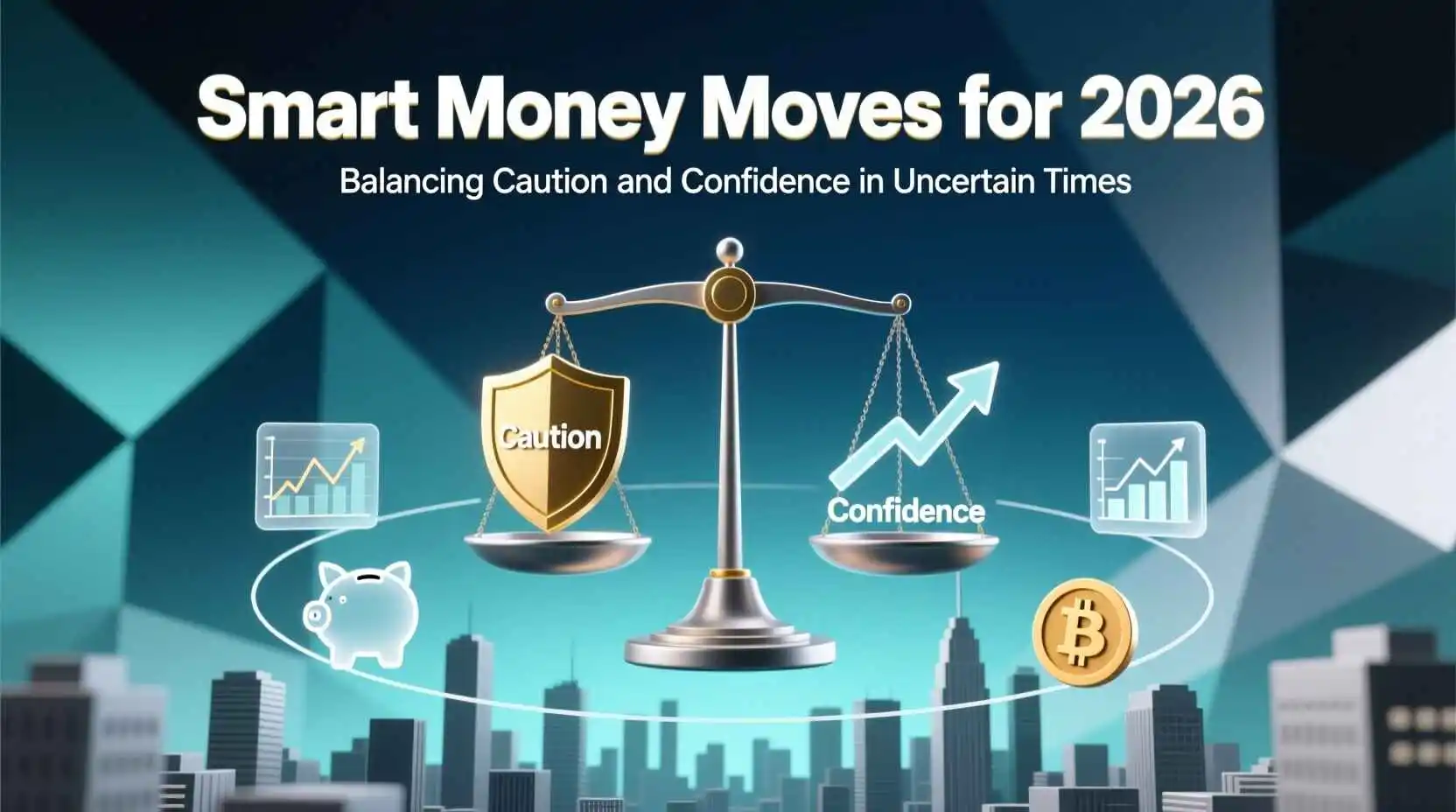
As we navigate the economic uncertainties of 2026, the principles of smart money management become more important than ever. By building a strong financial foundation, diversifying investments, maintaining liquidity, and planning strategically, you can approach uncertain times with greater confidence and resilience.
Remember that financial planning is not about predicting the future—it’s about preparing for various possible outcomes. The strategies outlined in this guide provide a framework for making informed decisions, adapting to changing circumstances, and positioning yourself to thrive regardless of economic conditions.
The journey to financial security is ongoing, requiring continuous learning, adjustment, and commitment. By implementing these smart money moves and maintaining discipline through both good times and bad, you’ll build the financial resilience needed to achieve your goals and weather any economic storm.
Frequently Asked Questions: General Financial Planning Questions
- How much should I have in my emergency fund in 2026?
The recommended emergency fund size depends on your individual circumstances, but most financial advisors suggest 3-6 months of living expenses. Consider your job stability, industry risks, and family size when determining your ideal amount. In uncertain economic times, leaning toward the higher end of this range provides greater security.
- Should I pay off debt or invest during potential recessionary periods?
This depends on your interest rates and investment opportunities. Generally, pay off high-interest debt (above 6-7%) first, as the guaranteed return exceeds most investment expectations. For lower-interest debt, maintaining balanced contributions to both debt reduction and investing may be optimal.
- How can I protect my investments during a potential recession?
Diversify across asset classes and sectors, maintain adequate cash reserves, consider defensive investments like high-quality bonds and dividend stocks, and avoid making impulsive decisions based on short-term market movements. Dollar-cost averaging can also reduce timing risk.
- What’s the best investment strategy for 2026?
A balanced approach focusing on diversification, regular rebalancing, and consideration of both defensive and growth opportunities. Dollar-cost averaging, maintaining adequate liquidity, and staying invested for the long term generally serve investors well.
- How often should I review my financial plan?
Conduct a comprehensive review at least annually, and more frequently during significant life changes or economic shifts. Quarterly check-ins can help monitor progress and make necessary adjustments.
Investment-Specific Questions
- Are bonds still a good investment in 2026?
Yes, bonds can provide stability and income, especially in volatile markets. However, consider the interest rate environment and inflation expectations when selecting bond investments.
- Should I invest in stocks during a potential recession?
Historically, markets eventually recover, and downturns can present buying opportunities. Focus on high-quality companies with strong fundamentals and consider dollar-cost averaging to reduce timing risk.
- What sectors tend to perform well during recessions?
Consumer staples, healthcare, utilities, and discount retailers often show relative stability. Gold and other precious metals may also serve as hedges during economic uncertainty.
- Is real estate a good investment in uncertain times?
Real estate can provide diversification and inflation protection, but location and property type matter significantly. Rental properties may offer cash flow, while primary residences provide stability and potential appreciation.
- Should I consider international investments in 2026?
Yes, international diversification can reduce portfolio risk and provide exposure to growth opportunities outside domestic markets. However, consider currency risks and geopolitical factors.
Retirement Planning Questions
- Should I delay retirement due to economic uncertainty?
Evaluate your specific situation, including savings, expected expenses, and health considerations. Delaying retirement can increase savings and reduce the time your portfolio needs to support you, but quality of life factors are also important.
- How can I protect my retirement savings during market volatility? Maintain appropriate asset allocation, consider more conservative investments as retirement approaches, and ensure you have adequate liquidity. Dollar-cost averaging and regular rebalancing are also effective strategies.
- Should I convert my traditional IRA to a Roth IRA in 2026?
This depends on your current and expected future tax brackets. Roth conversions during market downturns can be advantageous, but consult with a tax professional to understand the implications.
- How much should I be saving for retirement in 2026?
Aim to save 15% of your gross income for retirement, but adjust based on your age, income level, and retirement goals. Starting early and increasing savings rates over time is generally more important than the exact percentage.
- What’s the best retirement account to maximize in 2026?
Utilize tax-advantaged accounts like 401(k)s and IRAs, taking full advantage of employer matches. Consider Roth options if you expect higher taxes in retirement.
Debt and Credit Questions
- Should I refinance my mortgage in 2026?
Evaluate current interest rates, remaining loan term, and closing costs. Refinancing can reduce monthly payments and total interest paid, but consider how long you plan to stay in the home.
- Is it wise to take on new debt during uncertain economic times?
Generally, minimize new debt during economic uncertainty. Focus on paying down existing high-interest debt and preserving financial flexibility.
- How can I improve my credit score quickly?
Pay bills on time, reduce credit utilization, avoid new credit inquiries, and maintain old credit accounts. These strategies can improve your score relatively quickly.
- Should I use credit cards for everyday purchases in 2026?
Credit cards can offer benefits like rewards and purchase protection, but only if you pay balances in full monthly. High-interest debt can quickly erode financial stability.
- What’s the best strategy for paying off multiple debts?
Consider the debt snowball method (paying smallest balances first for psychological wins) or debt avalanche (paying highest interest rates first for mathematical efficiency). Choose the approach that keeps you motivated.
Career and Income Questions
- How can I make my income more recession-proof?
Develop in-demand skills, build a strong professional network, consider multiple income streams, and maintain excellent performance in your current role. Continuous learning and adaptability are key.
- Should I change careers during economic uncertainty?
Evaluate your current situation, alternative opportunities, and financial stability. Sometimes staying in a stable position is wiser, while other times career changes present growth opportunities.
- What side hustles are most profitable in 2026?
Profitable side hustles often align with your skills and interests. Consider freelance work in your profession, tutoring, e-commerce, or service-based businesses with low startup costs.
- How can I negotiate a raise during uncertain economic times?
Focus on your value to the company, gather data on market rates for your position, and time your request strategically. Emphasize your contributions and future potential.
- Should I go back to school during a potential recession?
Education can enhance career prospects, but consider the cost and potential return on investment. Focus on skills with clear demand and consider part-time or online programs to minimize income disruption.
Real Estate Questions
- Is 2026 a good time to buy a home?
This depends on your local market, interest rates, and personal circumstances. Lower prices and less competition can benefit buyers, but ensure you’re financially prepared for homeownership costs.
- Should I sell my home during economic uncertainty?
Evaluate your reasons for selling, market conditions in your area, and alternative housing options. Sometimes staying put through market fluctuations is the better financial decision.
- Are rental properties a good investment in 2026?
Rental properties can provide income and appreciation, but require significant capital and management effort. Research local rental markets and property cash flow potential carefully.
- How can I use real estate to diversify my investment portfolio?
Consider REITs for liquidity and diversification, or direct property investments for potential cash flow and tax benefits. Ensure you understand the risks and responsibilities of real estate investing.
- What factors should I consider when investing in real estate during uncertain times?
Location stability, rental demand, property condition, financing options, and potential for appreciation or cash flow. Diversification across property types and geographic regions can also reduce risk.
This comprehensive guide provides a framework for making smart financial decisions in uncertain economic times. Remember that individual circumstances vary, and consulting with financial professionals can provide personalized guidance tailored to your specific situation. The key to financial success lies in consistent planning, disciplined execution, and the flexibility to adapt as circumstances change.
Financial Disclaimer: The content provided here is for informational and educational purposes only. It is not intended to be a substitute for professional financial, legal, or tax advice. All opinions expressed herein are solely those of the author and do not represent the views of any other entity.
