
The Importance of Liver Health
Before we dive into the best foods for your liver, it is crucial to fully understand why liver health is the cornerstone of your overall health. Often referred to as the body’s master filter and chemical processing plant, the liver is a remarkably resilient organ that performs over five hundred vital functions daily. Without a properly functioning liver, the human body simply cannot survive.
First and foremost, the liver is responsible for filtering toxins from the blood. Every time you consume alcohol, take medication, or are exposed to environmental pollutants, your liver works tirelessly to neutralize and eliminate these harmful substances. It converts fat soluble toxins into water soluble compounds, allowing them to be safely excreted through urine or bile. When this filtration system becomes overwhelmed, toxins can accumulate, leading to cellular damage and systemic inflammation.
Secondly, the liver plays an indispensable role in digestion by producing bile. This greenish yellow fluid is essential for emulsifying dietary fats, breaking them down into smaller molecules that the intestines can easily absorb. Furthermore, bile facilitates the absorption of crucial fat soluble vitamins, such as vitamins A, D, E, and K. Without adequate bile production, your body would struggle to extract necessary nutrients from the food you eat, regardless of how healthy your diet might be.
Beyond digestion and detoxification, the liver acts as a sophisticated metabolic control center. It regulates blood sugar levels by converting excess glucose into glycogen for short term storage. When your blood sugar drops between meals or during physical activity, the liver seamlessly converts that stored glycogen back into glucose to provide your brain and muscles with steady, reliable energy. Additionally, it serves as a vital reservoir for essential nutrients, storing vitamins like B12 and minerals like iron, releasing them precisely when your body demands them.

The liver is also a primary manufacturing hub for essential proteins. It synthesizes albumin, which maintains fluid balance in the bloodstream, and produces vital clotting factors that prevent excessive bleeding from minor injuries. It even generates immune factors to help fight off infections.
Because the liver is involved in so many critical processes, neglecting its health can lead to severe consequences, including fatty liver disease, cirrhosis, and chronic fatigue. A compromised liver cannot efficiently process nutrients or clear waste, which negatively impacts every other organ system. Therefore, maintaining a healthy liver is absolutely essential for longevity, sustained energy, and overall vitality.
Fortunately, you have the power to protect this incredible organ. By nourishing your liver with the right nutritional choices, you can reduce inflammation, prevent fat accumulation, and support its natural regenerative abilities. In this comprehensive guide, we will explore the top twenty one foods that can help optimize the health and wellness of your liver, empowering you to take proactive control of your internal health. Making mindful dietary adjustments today can yield profound benefits for your tomorrow. Let us begin this transformative journey toward optimal wellness together right now by making the very best choices for your body and mind today.
- Fatty Fish:
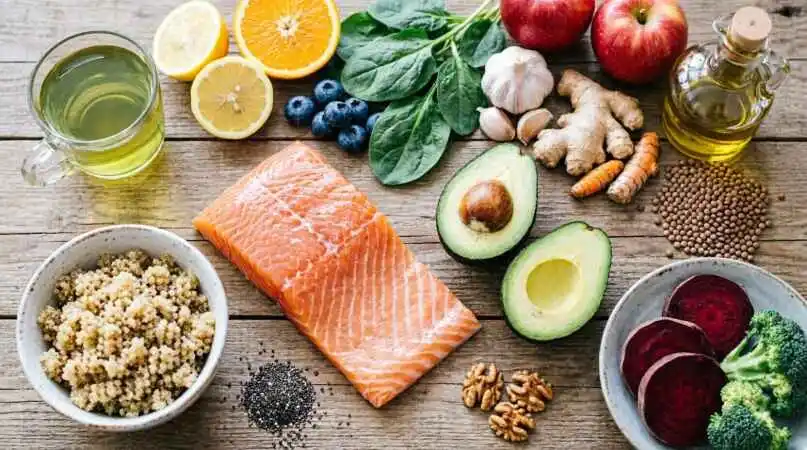
Fatty fish such as salmon, mackerel, and sardines are rich in omega-3 fatty acids, which can help reduce inflammation and support liver function. - Leafy Greens:
Leafy greens like spinach, kale, and arugula are packed with antioxidants and fiber, which can help cleanse the liver and promote detoxification. - Garlic:
Garlic contains allicina sulfur compound that can help activate enzymes in the liver and aid in the detoxification process. - Citrus Fruits:
Citrus fruits like lemons, oranges, and grapefruits are high in vitamin C, which can help boost the production of liver detoxifying enzymes. - Beets:
Beets are rich in antioxidants and betalains, which can help protect the liver from oxidative stress and inflammation. - Nuts and Seeds:
Nuts and seeds are a good source of healthy fats, antioxidants, and fiber, which can help support liver health. - Turmeric:
Turmeric contains curcumin, a powerful antioxidant and anti-inflammatory compound that can help protect the liver from damage. - Olive Oil:
Olive oil is rich in monounsaturated fats, which can help reduce inflammation and support liver function. - Green Tea:
Green tea is packed with antioxidants called catechins, which can help improve liver function and reduce the risk of liver disease. - Cruciferous Vegetables:
Cruciferous vegetables like broccoli, Brussels sprouts, and cabbage are rich in sulfur compounds, which can help promote liver detoxification. - Blueberries:
Blueberries are high in antioxidants and fiber, which can help protect the liver from damage and promote overall health. - Avocado:
Avocado is a good source of healthy fats, fiber, and antioxidants, which can help support liver health and function. - Walnuts:
Walnuts are rich in omega-3 fatty acids and antioxidants, which can help reduce inflammation and support liver function. - Apples:
Apples are high in pectin and fiber, which can help cleanse the liver and promote detoxification. - Quinoa:
Quinoa is a good source of protein, fiber, and antioxidants, which can help support liver health and function. - Lentils:
Lentils are rich in fiber and protein, which can help promote liver detoxification and support overall health. - Chia Seeds:
Chia seeds are high in omega-3 fatty acids and fiber, which can help reduce inflammation and support liver function. - Kefir:
Kefir is a fermented dairy product that is rich in probiotics, which can help support gut health and liver function. - Sweet Potatoes:
Sweet potatoes are high in fiber and antioxidants, which can help cleanse the liver and promote detoxification. - Ginger:
Ginger contains gingerol, a compound that can help reduce inflammation and support liver health. - Water:
Lastly, staying hydrated with water is essential for supporting liver health and promoting detoxification.
Incorporating all of these powerful, liver-healthy foods into your daily routine doesn’t have to be overwhelming. The secret is to group them into practical meal categories and daily habits.
Here is a simple, actionable guide on how to seamlessly weave these natural remedies and foods into your lifestyle to support optimal liver function and detoxification.
Morning Kickstart & Hydration
- Water & Citrus Fruits: Start your day immediately with a large glass of warm water infused with freshly squeezed lemon, lime, or grapefruit. This gentle morning ritual helps stimulate liver enzymes and flush out toxins.
- Green Tea & Ginger: Swap your second cup of coffee for a soothing mug of green tea. Add a few slices of fresh, grated ginger to the hot water to maximize the catechins and gingerol, providing a powerful anti-inflammatory start to your day.
Power-Packed Breakfasts & Snacks
- Chia Seeds, Walnuts & Blueberries: Create a nutrient-dense “liver pudding” by soaking chia seeds in your favorite milk overnight. In the morning, top it with a handful of walnuts and fresh blueberries for a massive dose of Omega-3s and antioxidants.
- Kefir & Apples: Use probiotic-rich kefir as a base for your morning smoothies, or simply enjoy it as a drinkable snack alongside crisp apple slices (the pectin in apples is fantastic for liver cleansing).
- Quinoa & Avocado: Try a savory breakfast bowl using cooked quinoa as a base instead of oats. Top it with sliced avocado and a drizzle of olive oil for a perfect balance of protein, healthy fats, and fiber.
Vibrant Salads & Nutrient-Dense Sides
- Leafy Greens, Beets & Olive Oil: Build your lunch salads using a dark, nutrient-dense mix of spinach, kale, and arugula. Add roasted beets for a sweet, earthy flavor, and always use high-quality extra virgin olive oil as your dressing base to reduce inflammation.
- Cruciferous Vegetables & Sweet Potatoes: Roast a large tray of broccoli, Brussels sprouts, cabbage, and cubed sweet potatoes. Toss them in olive oil and serve them as a hearty, fiber-rich side dish for your dinners.
Hearty Mains & Proteins
- Fatty Fish: Aim to eat baked, grilled, or pan-seared salmon, mackerel, or sardines at least twice a week. They are incredibly easy to prepare and pair perfectly with your roasted cruciferous vegetables.
- Lentils: Swap out heavy, processed meat dishes for a comforting lentil soup, curry, or stew. Lentils are fantastic for promoting liver detoxification and will keep your blood sugar stable.
Flavor Boosters & Healthy Fats
- Garlic & Turmeric: Mince fresh garlic and add it to almost every savory dish you cook to activate those liver-cleansing enzymes. Combine it with a generous dash of turmeric (always add a pinch of black pepper to help your body absorb the curcumin) when making marinades, stir-fries, or roasted veggies.
- Nuts and Seeds: Keep a mix of your favorite raw nuts and seeds (like almonds, pumpkin seeds, and sunflower seeds) in your bag or at your desk. A small handful makes for an easy, liver-friendly afternoon snack to keep your energy stable.
By making these small, strategic swaps and additions, you can effortlessly turn your daily meals into a powerful, natural defense system for your liver!
General Liver Disease FAQs
Q: What is the liver and what does it do?
A: The liver is a vital organ located in the upper right abdomen. It performs hundreds of essential functions, including filtering toxins from the blood, producing bile for digestion, storing energy (in the form of glycogen), manufacturing proteins, and processing nutrients.
Q: What are liver diseases?
A: Liver diseases are a wide range of conditions that damage the liver and impair its ability to function correctly. These conditions can be caused by infections, genetics, alcohol abuse, obesity, and autoimmune diseases, among other factors.
Q: What are some common types of liver diseases?
A: Common liver diseases include: * Hepatitis: Inflammation of the liver, often caused by viral infections (A, B, C). * Fatty Liver Disease (NAFLD/NASH): Accumulation of fat in the liver, often linked to obesity and diabetes. * Cirrhosis: Scarring of the liver, often a consequence of long-term liver damage. * Alcoholic Liver Disease: Damage to the liver caused by excessive alcohol consumption. * Autoimmune Hepatitis: Immune system attacking liver cells. * Liver Cancer: Malignant tumor in the liver. * Genetic Liver Diseases: Conditions like hemochromatosis (iron overload) and Wilson’s disease (copper accumulation).
Q: What are the symptoms of liver disease?
A: Symptoms can vary greatly depending on the type and severity of the disease. Some people may have no symptoms in the early stages. Common symptoms include: * Jaundice (yellowing of the skin and eyes) * Abdominal pain or swelling * Swelling in the legs and ankles * Dark urine and pale stools * Fatigue and weakness * Nausea and vomiting * Loss of appetite * Easy bruising or bleeding * Itching
Q: Are liver diseases preventable?
A: Some liver diseases are preventable: * Hepatitis A and B: Avoid infection with vaccination and good hygiene. * Alcoholic Liver Disease: Limit or avoid alcohol consumption. * Fatty Liver Disease: Maintain a healthy weight, eat a balanced diet, and exercise regularly. * Hepatitis C: Avoid sharing needles and other risk factors. Certain genetic conditions are not preventable, but early diagnosis and management can help.
Diagnosis FAQs
Q: How is liver disease diagnosed?
A: Diagnosis often involves a combination of: * Physical Examination: Checking for signs of jaundice, swelling, and tenderness. * Blood Tests (Liver Function Tests or LFTs): Measuring levels of liver enzymes, bilirubin, and other substances in the blood * Imaging Tests: Ultrasound, CT scans, or MRI scans to visualize the liver and identify any abnormalities. * Liver Biopsy: Taking a small tissue sample from the liver for examination under a microscope to determine the severity and type of disease. * FibroScan: A non-invasive test to measure liver stiffness, which can indicate fibrosis or scarring. * Screening: Especially for individuals with risk factors like chronic hepatitis.
Q: What are liver function tests (LFTs)?
A: LFTs are a group of blood tests that measure the levels of certain enzymes and other substances in the blood that are produced by or related to the liver. Elevated levels can indicate liver damage or disease.
Q: What is a liver biopsy and when is it needed?
A: A liver biopsy involves taking a small sample of liver tissue with a needle. It is often needed to confirm a diagnosis, assess the severity of liver damage, or monitor the response to treatment.
Treatment FAQs
Q: How are liver diseases treated?
A: Treatment depends on the specific type and severity of the liver disease. It often involves: * Lifestyle modifications: Weight loss, healthy diet, exercise, and avoiding alcohol. * Medications: Antiviral drugs for hepatitis, medications to manage autoimmune conditions, and other medications depending on the specific disease. * Treatment for Complications: Medications to manage complications like ascites (fluid buildup in the abdomen), hepatic encephalopathy (brain dysfunction due to liver failure). * Liver Transplant: In severe cases of liver failure, a liver transplant may be necessary.
Q: Can liver diseases be cured?
A: Some liver diseases, like hepatitis A and some cases of hepatitis C, can be cured with appropriate treatment. Other chronic conditions like cirrhosis and autoimmune hepatitis require ongoing management and can be slowed down but may not be fully cured.
Q: How can diet help with liver disease?
A: A liver-friendly diet is often recommended, which includes: * Plenty of fruits and vegetables * Lean protein sources * Whole grains * Limiting saturated fats, processed foods, and sugary drinks * Adequate fluid intake
Q: Can alternative therapies help with liver disease?
A: While some people may explore alternative therapies, it’s crucial to discuss them with your doctor. Many have not been scientifically proven to be effective and, in some cases, can be harmful.
Q: What is the role of a hepatologist in liver disease treatment?
A: A hepatologist is a specialist doctor who focuses on the diagnosis, treatment, and management of liver diseases. Consulting with one is often beneficial, especially for more complex cases.
Medical Disclaimer:
The information provided on this website is for general educational and informational purposes only and is not intended as a substitute for professional medical advice, diagnosis, or treatment. Always seek the advice of your physician or other qualified health provider with any questions you may have regarding a medical condition. Never disregard professional medical advice or delay in seeking it because of something you have read on this website.
