
Table of Contents
The Ultimate Guide to Treating Piles Naturally and Medically
Let’s face it, talking about bowel movements and rectal discomfort isn’t exactly a popular dinner conversation topic. However, ignoring these issues can lead to unnecessary suffering. One such common ailment that many of us might experience at some point in our lives is piles, also known as hemorrhoids. While the term itself might evoke a sense of unease or even embarrassment, understanding what piles are, why they develop, and how to manage them can empower us to take control of our health and well-being.
In this article, we aim to shed light on this often-misunderstood condition. We’ll delve into the definition of piles, explore their different types, unravel the common causes, identify the tell-tale symptoms, and discuss the various treatment options available. Our goal is to provide you with comprehensive and easily digestible information, presented in a clear and informative manner, so you can confidently navigate this sometimes-uncomfortable health concern.
What Exactly Are Piles?
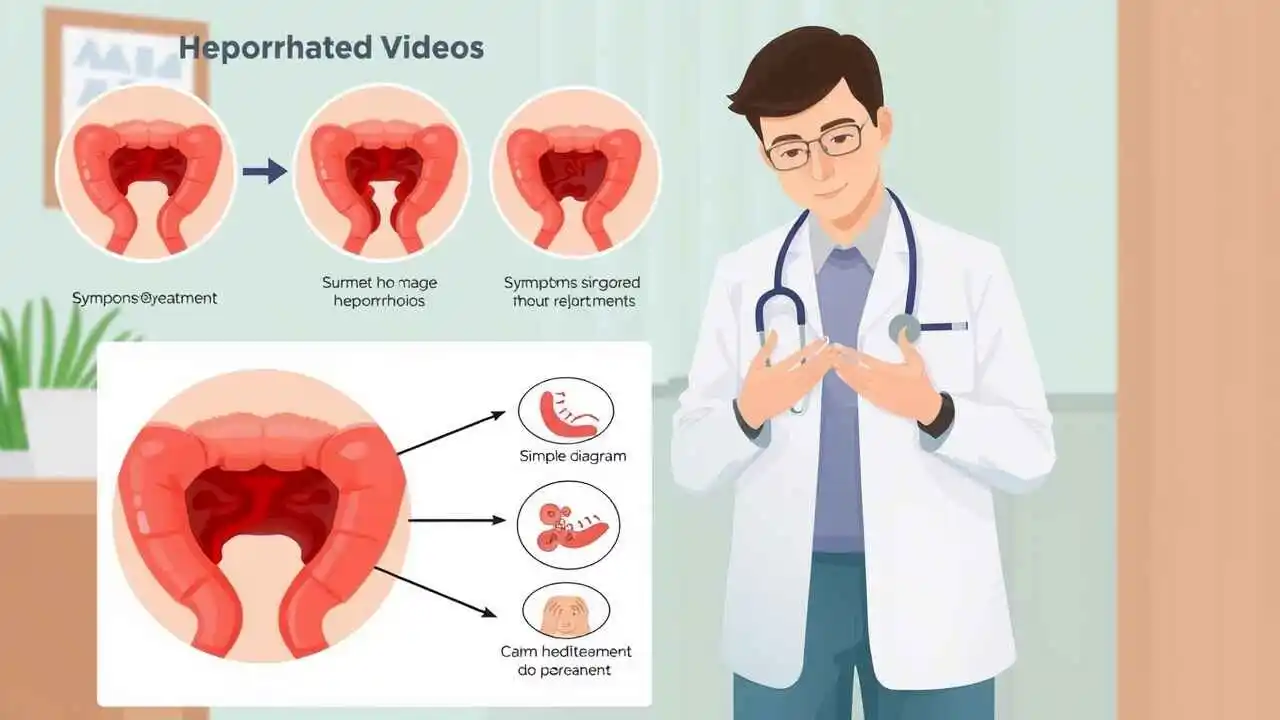
Piles, or hemorrhoids, are essentially swollen veins in the lower rectum and anus. Imagine varicose veins, but located in a rather less visible and more sensitive area. These veins can become enlarged and irritated, leading to a range of uncomfortable symptoms. While everyone has veins in the anorectal region, they only become problematic when they swell and become inflamed, turning into what we commonly refer to as piles.
It’s important to understand that piles are not a disease in themselves but rather a condition arising from increased pressure and strain on these veins. They are surprisingly common, affecting a significant portion of the adult population. In fact, it’s estimated that around 50% of adults over the age of 50 will experience symptomatic hemorrhoids at some point in their lives. This prevalence highlights that you are certainly not alone if you’re experiencing symptoms, and seeking information and help is a proactive step towards better health.

Unveiling the Types: Internal vs. External Piles
Piles are broadly classified into two main types, depending on their location within the anorectal region: internal piles and external piles. Understanding this distinction is crucial because it influences the symptoms experienced and the treatment approaches.
| Feature | Internal Piles | External Piles |
| Location | Inside the rectum, above the dentate line | Under the skin around the anus, below the dentate line |
| Nerve Endings | Fewer pain-sensitive nerve endings | Abundant pain-sensitive nerve endings |
| Visibility | Not usually visible, unless prolapsed | Visible as bulges around the anus |
| Pain Level | Generally less painful, often painless bleeding | Generally more painful, especially thrombosed external piles |
| Symptoms | Rectal bleeding, prolapse, mucus discharge, itching | Pain, itching, swelling, bleeding, difficulty cleaning |
Let’s break down each type further:
1. Internal Piles:
- These piles occur inside the rectum, typically in the lower part.
- Due to their internal location, they are often painless, primarily because this area has fewer pain-sensing nerves.
- The most common symptom of internal piles is painless rectal bleeding, often noticed as bright red blood on toilet paper or in the toilet bowl after a bowel movement.
- Internal piles can sometimes prolapse, meaning they bulge out through the anus, particularly during bowel movements. Prolapsed piles can be graded based on their severity:
- Grade I: Do not prolapse, just bleeding.
- Grade II: Prolapse during bowel movements but spontaneously reduce on their own.
- Grade III: Prolapse during bowel movements and require manual reduction (pushing them back in).
- Grade IV: Prolapsed and cannot be reduced; may be constantly protruded.
2. External Piles:
- External piles develop under the skin around the anus.
- This area is rich in pain-sensitive nerve endings, making external piles often more painful than internal piles.
- Symptoms can include pain, itching, and swelling around the anus.
- Sometimes, a blood clot can form within an external pile, leading to a thrombosed external pile. This condition is characterized by sudden, severe pain, a hard lump near the anus, and inflammation.
Unraveling the Causes: What Triggers Piles?
Piles develop due to increased pressure in the veins of the rectum and anus. Several factors can contribute to this increased pressure, and often it’s a combination of these factors rather than a single cause. Let’s explore the common culprits:
Lifestyle and Habits:
- Chronic Constipation: Straining during bowel movements due to constipation is a major contributor. Hard stools put extra pressure on the veins.
- Chronic Diarrhea: Frequent diarrhea can also irritate and strain the rectal veins.
- Prolonged Sitting or Standing: Spending long periods sitting, especially on the toilet, or standing can increase pressure in the anorectal veins.
- Low-Fiber Diet: A diet lacking in fiber can lead to constipation and harder stools, increasing the risk of piles.
- Obesity: Excess weight can put additional pressure on the pelvic and rectal veins.
- Heavy Lifting: Repeatedly lifting heavy objects can strain the veins in the lower rectum and anus.
Other Factors:
- Pregnancy: The growing uterus puts pressure on pelvic veins, and hormonal changes during pregnancy can also contribute to piles.
- Aging: As we age, the tissues supporting the veins in the rectum and anus can weaken and become more prone to swelling.
- Genetics: There might be a genetic predisposition to developing piles, making some individuals naturally more susceptible.
- Anal Intercourse: This can increase the risk of developing piles.
- Straining during urination: Habitual straining while urinating can also put pressure on rectal veins.
Recognizing the Signs: Common Symptoms of Piles
The symptoms of piles can vary depending on the type and severity. Being aware of these symptoms can help us seek timely attention and manage the condition effectively.
Common Symptoms Include:
- Rectal Bleeding: Usually painless, bright red blood, often seen on toilet paper, in the toilet bowl, or streaking the stool.
- Pain or Discomfort: Pain may be present, especially with external piles or thrombosed piles. Discomfort, aching, or a feeling of pressure in the anal area is also common.
- Itching: Irritation and inflammation can cause itching around the anus.
- Swelling or Lumps: You might feel or see soft lumps around the anus, especially with external piles. Prolapsed internal piles can also be felt as lumps outside the anus.
- Mucus Discharge: Internal piles can sometimes produce mucus, leading to anal leakage or a feeling of incomplete bowel emptying.
- Fecal Soiling: In severe cases, prolapsed piles can make it difficult to clean the anal area properly, leading to soiling and discomfort.
Seeking Relief: Treatment Options for Piles
The good news is that piles are often manageable, and many cases can be treated effectively with lifestyle changes and home remedies. However, for more severe or persistent cases, medical interventions might be necessary. Treatment approaches generally aim to relieve symptoms, reduce inflammation, and prevent recurrence.
Home Remedies and Lifestyle Changes:
- Dietary Fiber: Increasing fiber intake through fruits, vegetables, whole grains, and fiber supplements can soften stools, reduce straining, and alleviate symptoms. Aim for 25-30 grams of fiber per day.
- Hydration: Drinking plenty of water helps keep stools soft and prevents constipation. Aim for at least 8 glasses of water daily.
- Sitz Baths: Soaking in warm water (just covering the hips and buttocks) for 10-15 minutes, several times a day, can soothe irritation, reduce swelling, and promote healing.
- Topical Creams and Ointments: Over-the-counter creams and ointments containing ingredients like hydrocortisone, witch hazel, or pramoxine can provide temporary relief from pain, itching, and inflammation.
- Avoid Straining: Minimize straining during bowel movements. Don’t spend excessive time on the toilet.
- Regular Exercise: Regular physical activity can help maintain healthy bowel movements and prevent constipation.
Medical Procedures and Treatments:
If home remedies are insufficient, or for more severe piles, various medical procedures are available:
- Rubber Band Ligation: This procedure involves placing small rubber bands around the base of internal piles to cut off blood supply, causing them to shrink and fall off.
- Sclerotherapy: A chemical solution is injected into the internal piles, causing them to shrink and scar.
- Infrared Coagulation (IRC): Infrared light is used to cauterize and shrink internal piles.
- Laser Coagulation: Similar to IRC, but uses laser energy to destroy piles tissue.
- Hemorrhoidectomy: Surgical removal of piles. This is generally reserved for severe or complex cases, often external piles or large prolapsed internal piles.
- Stapled Hemorrhoidopexy: A surgical procedure to staple prolapsed internal hemorrhoids back into their normal position within the anal canal.
It’s crucial to consult a doctor for proper diagnosis and to determine the most appropriate treatment plan based on the type and severity of your piles. Self-treating without professional advice can sometimes delay proper care and potentially worsen the condition.
Prevention is Key: Lowering Your Risk of Piles
While piles can be a recurring issue for some, adopting preventive measures can significantly reduce your risk of developing them or experiencing flare-ups.
Preventive Strategies to Incorporate into Your Lifestyle:
- Maintain a High-Fiber Diet: Focus on a diet rich in fruits, vegetables, and whole grains.
- Stay Hydrated: Drink plenty of fluids throughout the day.
- Regular Exercise: Engage in regular physical activity.
- Avoid Prolonged Sitting: If you work in a job that requires prolonged sitting, take regular breaks to stand and walk around.
- Limit Toilet Time: Don’t linger on the toilet for extended periods.
- Proper Bowel Habits: Respond to the urge to defecate promptly and avoid straining.
- Maintain a Healthy Weight: If you are overweight or obese, work towards achieving and maintaining a healthy weight.
“The greatest of follies is to sacrifice health for any other kind of happiness.” – Arthur Schopenhauer
Taking proactive steps towards a healthy lifestyle not only reduces the risk of piles but also contributes to overall well-being. By understanding piles, their causes, and the available treatments, we can approach this common condition with knowledge and confidence, ensuring our comfort and health are prioritized. Remember, seeking help is a sign of strength, and there are effective solutions available to manage and overcome the discomfort of piles.
FAQs on Natural Ways to Treat and Control Piles (Hemorrhoids)
