
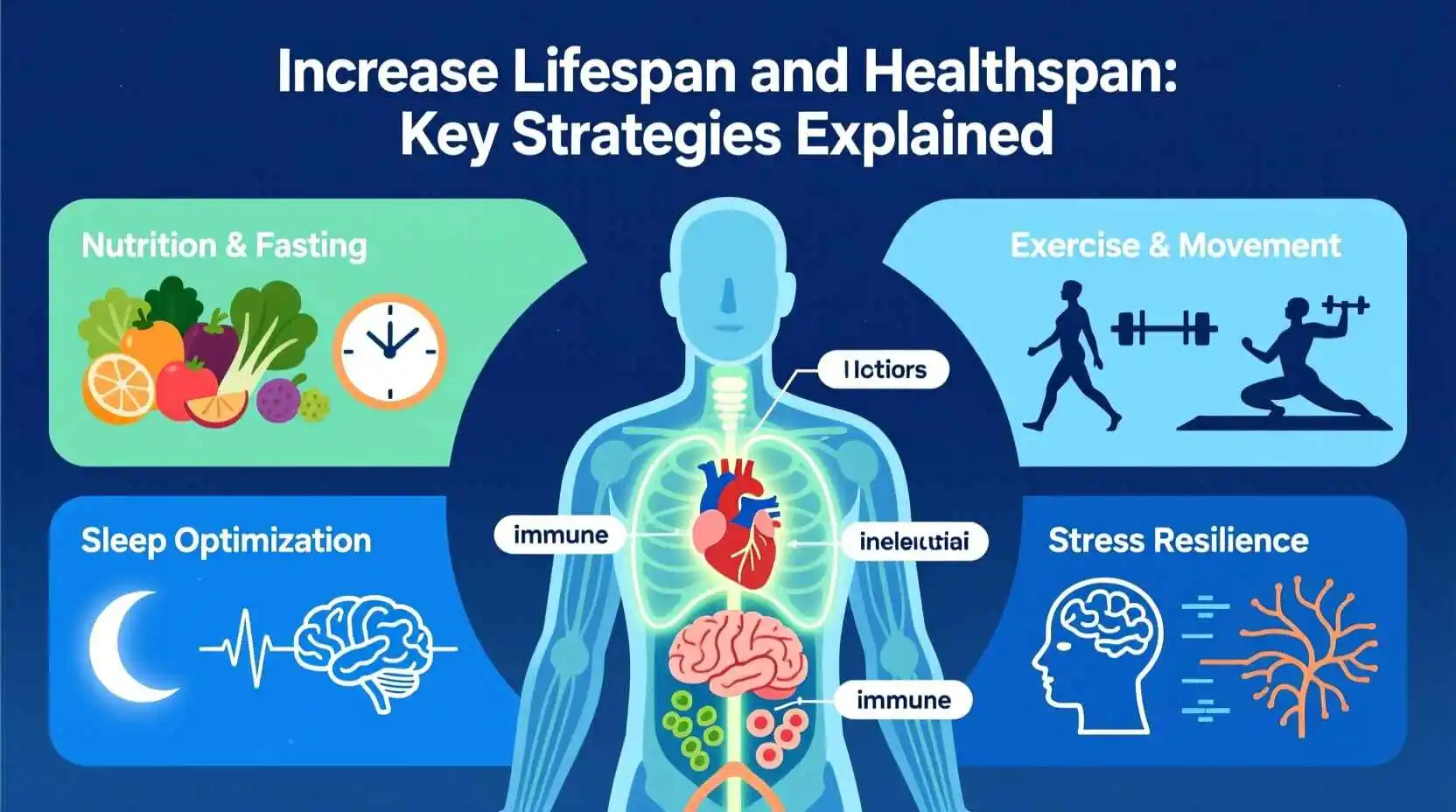
Staying Young at Heart: Tips for Healthy Aging After 50
Turning 50 is a significant milestone that invites deep introspection about our lives, health, and the years ahead. This juncture often encourages us to pay closer attention to our bodies and the decisions we make, as we recognize the potential to not just add years to our lives, but also inject more vitality into those years. In this article, we will explore the concept of optimizing our health span, discuss common diseases to be aware of at this age, and provide practical tips to navigate this exciting chapter with energy and well-being.
First, let’s establish a clear understanding of two essential concepts: lifespan and health span.
Lifespan: This term refers to the total number of years a person lives. Over the past century, advances in medicine and technology have significantly increased lifespan in many regions of the world.
Health span: This is the portion of our lives during which we are healthy, free from significant disease or disability. As we age, our focus should shift toward maximizing our health span, ensuring that we live not only longer lives but also more vibrant and fulfilling ones. The choices we make in our daily lives have a substantial impact on both our lifespan and health span.

As we turn 50, it’s crucial to be aware of common diseases and conditions that may arise. Some of these include:
- Cardiovascular diseases: Conditions such as heart disease and stroke are leading causes of death worldwide. Maintaining a healthy diet, exercising regularly, and monitoring blood pressure and cholesterol levels can help reduce the risk.
- Cancer: The risk of various types of cancer increases with age. Regular screenings, maintaining a healthy lifestyle, and being aware of any family history can aid in early detection and treatment.
- Type 2 diabetes: This condition is often linked to poor diet, obesity, and a lack of physical activity. Managing blood sugar levels, maintaining a healthy weight, and incorporating regular exercise can help prevent or manage type 2 diabetes.
- Osteoarthritis: A degenerative joint disease that can cause pain and limited mobility. Maintaining a healthy weight, staying active, and practicing good posture can help prevent or alleviate symptoms.
- Neurodegenerative diseases: Conditions such as Alzheimer’s and Parkinson’s disease affect cognitive function and mobility. While there is no definitive way to prevent these diseases, maintaining a healthy lifestyle, staying mentally active, and addressing any hearing or vision problems can help reduce the risk.
To navigate this chapter of life with vitality and well-being, consider the following practical tips:
- Schedule regular check-ups with your healthcare provider to monitor your health and address any potential issues early on.
- Maintain a balanced diet rich in fruits, vegetables, lean proteins, and whole grains. Limit processed foods, sugars, and unhealthy fats.
- Engage in regular physical activity. Aim for at least 150 minutes of moderate-intensity aerobic exercise or 75 minutes of vigorous-intensity aerobic exercise per week, along with strength training exercises on two or more days a week.
- Prioritize mental health. Engage in activities that promote mental well-being, such as meditation, yoga, or mindfulness practices.
- Cultivate strong social connections. Building and maintaining relationships with friends and family can contribute to overall happiness and well-being.
- Get sufficient sleep. Aim for 7-9 hours of quality sleep per night to allow your body to recover and rejuvenate.
- Stay up-to-date on recommended screenings and vaccinations for your age group.
- Be proactive in managing stress through relaxation techniques, time management, and seeking support when needed.
- Consider supplements or multivitamins to fill any nutritional gaps, but consult with your healthcare provider first to ensure they are appropriate for you.
Turning 50 is an exciting milestone that offers the opportunity to reassess our lives, health, and the choices we make. By understanding the difference between lifespan and health span, being aware of potential diseases, and adopting a healthy lifestyle, we can not only add years to our lives but also infuse those years with vibrancy and well-being.
The Cornerstone of a Healthy Life: Lifestyle
My personal journey has taught me that a healthy lifestyle is the most powerful tool we have at our disposal. It’s never too late to adopt beneficial habits, and even small changes can make a huge difference. Here are the key components I focus on:
- Nourishing Nutrition:
- Prioritize whole foods: Focus on a diet rich in fruits, vegetables, lean proteins, and whole grains. Limit processed foods: Reduce your intake of sugary drinks, refined carbohydrates, and unhealthy fats. Hydrate adequately: Drink plenty of water throughout the day. Mindful portion control: Be aware of your calorie intake and avoid overeating.
- Explore Mediterranean Diet: This diet, rich in plant-based foods and healthy fats, has shown numerous health benefits.
- Regular Exercise:
- Aim for at least 150 minutes of moderate-intensity aerobic activity per week: This could be brisk walking, swimming, or cycling. Incorporate strength training: Two to three sessions per week helps build and maintain muscle mass, vital for overall health. Flexibility and balance exercises: Yoga or tai chi can enhance flexibility and prevent falls.
- Find activities you enjoy: The key to consistency is choosing forms of exercise that you find pleasurable.
- Adequate Sleep:
- Aim for 7-9 hours of sleep per night: Prioritize consistent sleep schedules.Create a relaxing bedtime routine: Avoid screens before bed and try calming activities like reading or meditation.
- Address sleep disturbances: Talk to your doctor if you suspect any underlying sleep issues.
- Stress Management:
- Practice mindfulness and meditation: These techniques can help manage stress and improve emotional well-being.Engage in hobbies: Activities that bring joy and relaxation are essential for reducing stress.
- Maintain social connections: Strong social networks provide support and help buffer against stress.
- Regular Health Checkups:
- Schedule annual physicals: This allows for the early detection of potential health problems.
- Follow recommended screening guidelines: Be proactive about cancer screenings, bone density tests, and other necessary check-ups.
- Be open and honest with your doctor: Share any concerns or changes in your health.
 Precautions and Thumb Rules to Live By
Beyond lifestyle changes, there are a few practical precautions and thumb rules that I consider crucial for healthy aging:
- Don’t ignore warning signs: Pay attention to your body and seek medical attention for any unusual symptoms.
- Manage existing conditions: If you have chronic conditions, adhere to your treatment plan and work closely with your healthcare provider.
- Be mindful of medications: Take medications as prescribed and discuss any side effects with your doctor.
- Stay mentally active: Engage in activities that stimulate your brain, such as reading, learning new skills, or playing mind games.
Summary Table
| Category | Key Actions | Potential Benefits |
| Nutrition | Focus on whole foods, limit processed items, hydrate well, practice portion control, explore Mediterranean diet | Improved energy levels, weight management, reduced risk of chronic diseases. |
| Exercise | Aim for 150 minutes of moderate activity, incorporate strength training, do flexibility exercises, find enjoyable activities | Enhanced cardiovascular health, stronger bones and muscles, better balance, improved mood |
| Sleep | Aim for 7-9 hours of quality sleep, create a relaxing routine, address sleep issues | Improved cognitive function, balanced hormones, better immune system, enhanced mood. |
| Stress Management | Practice mindfulness, engage in hobbies, maintain social connections | Reduced stress levels, improved mental health, increased resilience. |
| Health Checkups | Schedule annual physicals, follow screening guidelines, communicate openly with your doctor | Early detection of health issues, proactive management of medical conditions |
A Note on Mindset “The greatest wealth is health.” – Virgil.
I’ve learnt that maintaining a positive outlook really does contribute to overall well-being. Embrace change, cultivate gratitude, and focus on the here and now. Remember, age is just a number, and it’s entirely possible to live a vibrant and fulfilling life at 50 and beyond.
Is it too late to start making healthy changes at 50? Absolutely not! It’s never too late to adopt a healthier lifestyle. Even small changes can make a positive impact on your health and well-being.
Do I need to drastically change my diet to see results? No, you don’t need to make drastic changes overnight. Start gradually by incorporating more whole foods into your diet and reducing processed foods. Small, consistent changes are more sustainable.
What if I find it difficult to stay motivated to exercise? The key is to find activities that you enjoy. Experiment with different forms of exercise and invite friends or family to join you. Set realistic goals and celebrate your progress along the way.
How can I prioritize sleep when I have a busy schedule? Make sleep a priority by creating a relaxing bedtime routine and sticking to a consistent sleep schedule, even on weekends. Try to limit screen time before bed and create a peaceful sleep environment.
Will I inevitably develop chronic diseases as I age? While the risk of chronic diseases increases with age, it’s not inevitable. By adopting a healthy lifestyle and being proactive about your health, you can significantly reduce your risk and maximize your health span.
Where can I seek more personalized guidance on staying healthy? Consult with your doctor or a qualified healthcare professional for a personalized plan based on your specific needs and any pre-existing conditions. It’s also beneficial to seek a registered dietician and a certified personal trainer.
Physical Health & Exercise
- How much exercise do adults over 50 actually need?
The general recommendation is at least 150 minutes of moderate-intensity aerobic activity (like brisk walking) per week, paired with muscle-strengthening activities on two or more days.
- Is strength training safe for someone in their 50s or older?
Not only is it safe, it’s essential. Strength training helps combat sarcopenia (age-related muscle loss), protects joints, and supports bone density. Start with light weights or resistance bands.
- What are the best exercises for joint health?
Low-impact activities like swimming, cycling, yoga, and walking are fantastic. They keep your joints lubricated and muscles strong without the heavy impact of running or jumping.
- How can I improve my balance and prevent falls?
Incorporate balance-focused exercises like Tai Chi, yoga, or simple heel-to-toe walking drills into your weekly routine to strengthen your core and stabilizing muscles.
- Is it too late to start exercising if I’ve been inactive most of my life?
Never. Studies show that starting an exercise routine later in life still yields massive benefits for heart health, mobility, and longevity. Just be sure to clear it with your doctor first.
- How does aging affect my muscle mass, and can I reverse it?
You naturally lose about 3% to 5% of muscle mass per decade after 30. While you can’t entirely stop the clock, regular resistance training and adequate protein intake can significantly rebuild and maintain that muscle.
- What should I do if I experience joint pain while working out?
Listen to your body. Modify the movement to avoid sharp pain. If a dull ache persists for more than a few days, consult a physical therapist to check your form or suggest alternative exercises.
Nutrition & Diet
- How do my nutritional needs change after age 50?
Your metabolism naturally slows down, meaning you need fewer calories but more nutrient-dense foods. Your body also requires more calcium, vitamin D, and B12 to function optimally.
- Do I really need dietary supplements as I age?
Ideally, nutrients should come from whole foods. However, supplements like Vitamin D3, Vitamin B12, and Calcium are commonly recommended for older adults due to decreased absorption rates. Consult your doctor for a simple blood test first.
- How can I protect my bone density through my diet?
Incorporate calcium-rich foods like leafy greens, dairy, or fortified plant milks, and ensure you are getting enough Vitamin D to help your body absorb that calcium.
- Why do I feel less thirsty now, and how much water should I drink?
The sensation of thirst decreases with age, putting older adults at a higher risk for dehydration. Aim for roughly 8 glasses of water a day, or enough so that your urine is pale and clear.
- What are the best foods for heart health after 50?
Focus on a Mediterranean-style diet: leafy greens, berries, whole grains, nuts, olive oil, and fatty fish like salmon, which are packed with omega-3 fatty acids.
- How much protein do I need daily?
To preserve muscle mass, aim for roughly 1.0 to 1.2 grams of protein per kilogram of body weight (or about 25–30 grams of protein per meal).
- Can a specific diet help lower my risk of cognitive decline?
Yes, the MIND diet—a hybrid of the Mediterranean and DASH diets—specifically emphasizes brain-healthy foods like berries and green leafy vegetables, which have been shown to lower the risk of Alzheimer’s.
- How do I manage a slowing metabolism without starving myself?
Focus on high-fiber foods (vegetables, legumes, whole grains) and lean proteins. They keep you full longer and require more energy for your body to digest, helping to stabilize your weight.
Mental & Cognitive Health
- What are the best ways to keep my mind sharp?
Engage in “cognitive restructuring” activities: learn a new language, pick up an instrument, read complex books, or take up strategic games. Routine tasks don’t challenge the brain enough; novelty does.
- Is occasional forgetfulness a normal part of aging or a sign of dementia?
Misplacing your keys occasionally is completely normal. Forgetting what the keys are used for or experiencing confusion that disrupts daily life warrants a conversation with a doctor.
- Why has my sleep pattern changed, and how much sleep do I need?
Older adults still need 7 to 9 hours of sleep, but deep sleep stages decrease, causing more frequent nighttime awakenings. Maintain a strict sleep schedule and limit screen time before bed to improve sleep quality.
- What steps can I take to reduce chronic stress?
Chronic stress elevates cortisol, which impacts memory and immune function. Practice daily mindfulness, meditation, deep-breathing exercises, or spend time in nature to reset your nervous system.
- Why is social connection emphasized so much for healthy aging?
Longevity studies show that isolation is as damaging to your health as smoking. Strong social ties lower the risk of depression, cognitive decline, and cardiovascular disease.
- How can I maintain a positive outlook on aging?
Focus on the concept of “pro-aging” rather than anti-aging. Reframe this chapter as a time of mentorship, pursuing neglected hobbies, and enjoying a deeper sense of self-awareness.
- What are effective ways to manage anxiety or depression later in life?
Don’t dismiss persistent low mood as “just getting older.” Talk therapy, regular exercise, social groups, and, when necessary, medication managed by a healthcare professional can vastly improve quality of life.
Preventive Care & Lifestyle
- Which medical screenings become essential after turning 50?
Key screenings include colonoscopies (colorectal cancer), mammograms (breast cancer), bone density scans, and regular checks for blood pressure, cholesterol, and blood sugar levels.
- How often should I get my vision and hearing checked?
You should have an eye exam every 1–2 years to check for cataracts, glaucoma, and macular degeneration. Hearing should be tested every 3 years, or sooner if you notice changes, as untreated hearing loss is linked to cognitive decline.
- What vaccines are recommended for adults over 50?
The Shingrix vaccine (for shingles) is recommended starting at age 50. You should also stay up-to-date on your annual flu shot, COVID-19 boosters, and the pneumococcal vaccine (for pneumonia) once you reach 65.
- How can I effectively manage multiple prescription medications?
Use a pill organizer, set phone reminders, and bring a complete list of your medications (including supplements) to an annual review with your primary care doctor or pharmacist to check for adverse interactions.
- What are the early warning signs of cardiovascular disease to watch for?
Look out for unusual shortness of breath during mild exertion, chest discomfort, dizziness, unexplained fatigue, or swelling in your legs and ankles.
- Why does my skin feel so dry now, and how do I protect it?
Skin thins and produces less oil as we age. Use a gentle, fragrance-free moisturizer daily, take lukewarm rather than hot showers, and never skip broad-spectrum SPF 30+ sunscreen when outdoors.
- How does my immune system change, and how can I boost it?
The immune response naturally slows down (immunosenescence). You can support it by getting quality sleep, eating a diet rich in antioxidants, managing stress, and staying physically active.
- When should I talk to my doctor about changes in my mobility or stamina?
Address changes immediately if you experience sudden drops in stamina, unexplained weakness, or a newfound fear of falling. Early intervention via physical therapy can prevent a minor issue from becoming a chronic limitation.
Reaching 50 is not a signal to slow down, but rather an opportunity to embrace a healthy life with intention. By focusing on lifestyle factors, being mindful of potential health concerns, and cultivating a positive mindset, I believe we can all enjoy many more years filled with vitality and well-being. The focus should be not on adding years to live, but in adding life to years. I hope that these points will be helpful in your own journey.
Medical Disclaimer:
The information provided on this website is for general educational and informational purposes only and is not intended as a substitute for professional medical advice, diagnosis, or treatment. Always seek the advice of your physician or other qualified health provider with any questions you may have regarding a medical condition. Never disregard professional medical advice or delay in seeking it because of something you have read on this website.
