
Table of Contents
Understanding Muscle Cramps: Causes, Prevention, and Effective Treatments
It happens in the dead of night, or perhaps mid-stride during a long run. Out of absolutely nowhere, a muscle in your calf, foot, or thigh violently contracts. The pain is excruciating, paralyzing, and visceral—a hard, visible knot forming beneath the skin that makes you feel as though the muscle is trying to tear itself away from the bone. You writhe, stretch, and gasp, waiting for the agonizing spasm to release.
Muscle cramps are a uniquely terrifying experience. They affect everyone from elite Olympic athletes to sedentary office workers, from pregnant women to the elderly. Despite how incredibly common they are, they remain one of the most misunderstood phenomena in the human body. For decades, the medical and fitness communities relied on overly simplistic explanations, leaving millions of people treating their cramps incorrectly.
To truly stop muscle cramps from hijacking your life, you must move beyond the old wives’ tales. You must understand the complex neurological and physiological mechanisms that cause them, and then apply targeted, science-backed natural remedies and lifestyle changes.
The Neuroscience of a Cramp: It’s Not Just Dehydration
If you go to a doctor or a coach complaining of cramps, the first thing you will likely hear is, “You need to drink more water, and eat a banana for potassium.”
This advice, while well-intentional, is fundamentally flawed and outdated.
Yes, severe dehydration can cause cramps, but the vast majority of muscle cramps occur in people who are perfectly hydrated. The “banana for potassium” myth is even worse; studies have shown that blood electrolyte levels (sodium, potassium, magnesium) in cramping athletes are virtually identical to those in non-cramping athletes. You could eat a truckload of bananas and still cramp.
So, what is actually happening? Alpha motor neuron hyperexcitability.
Your muscles do not contract on their own; they are controlled by electrical signals sent from the spinal cord via nerves called alpha motor neurons. Think of these neurons as the gas pedal for your muscles. Under normal circumstances, when a muscle fatigues, the body has built-in inhibitory mechanisms (brakes) that prevent the muscle from contracting too forcefully.
However, when a muscle is pushed past its metabolic comfort zone—whether through intense exercise, sustained awkward postures, or dehydration—the “brakes” fail. The alpha motor neurons in the spinal cord begin firing rapidly and uncontrollably. The muscle shifts from a controlled contraction into a massive, systemic, involuntary spasm. The cramp is not a muscle problem; it is a neurological misfire originating in the spinal cord.
The Three True Culprits Behind the Misfire
Understanding why the spinal cord loses control of the muscle helps us target the actual root causes:
- Neuromuscular Fatigue (The Overuse Culprit) This is the most common cause of exercise-induced cramps. When you run, cycle, or lift weights, the muscle fibers literally run out of ATP (cellular energy) and begin to accumulate metabolic waste products. This fatigue alters the microscopic receptors on the muscle fibers, making them hyper-sensitive to the electrical signals coming from the spinal cord. The muscle essentially gets confused and locks up.
- Inappropriate Afferent Signaling (The Posture Culprit) This sounds complex, but it simply means “bad feedback.” Your muscles constantly send status updates to the spinal cord. If you sit at a desk for eight hours with your legs tucked under your chair, you are artificially shortening your calf muscles. The spinal cord gets used to this shortened position. If you suddenly stand up and try to stretch the calf, the muscle sends a sudden, massive “stretch” signal to the spine. The spine misinterprets this as a threat of tearing and reflexively fires a massive cramp to protect the muscle.
- True Electrolyte and Fluid Imbalance (The Systemic Culprit) While less common than fatigue or posture, genuine fluid and electrolyte depletion can cause cramps. However, it is rarely a lack of potassium. The true culprit is almost always sodium. Sodium is the primary electrolyte responsible for carrying electrical signals in the nervous system. If you sweat profusely, drink massive amounts of plain water (diluting your blood sodium), and fail to replace your salt, your nerve impulses literally short-circuit. This is the exact mechanism behind Exercise-Associated Hyponatremia.
Natural Remedies: Stopping the Siege
When a cramp hits, you don’t have 20 minutes to mix a supplement. You need immediate, neurological intervention to break the spasm.
- The Golgi Tendon Organ Stretch This is the most effective, scientifically validated way to break an active cramp. Every muscle has stretch receptors called Golgi Tendon Organs (GTOs). When a muscle is stretched under tension, the GTO sends an emergency signal to the spinal cord that forces the muscle to relax to prevent it from tearing.
If your calf cramps, do not just point your toe and pull. Instead, sit down, straighten your leg, and pull your toes aggressively back toward your shin (dorsiflexion) while keeping the knee straight. Hold it for 20 to 30 seconds. This intense stretching activates the GTO, overriding the alpha motor neuron misfire and forcing the muscle to unlock.
- The “Pickle Juice” Phenomenon In a fascinating study, researchers gave cramping athletes either water or pickle juice. The pickle juice stopped the cramps in an average of 85 seconds—45% faster than water. The secret isn’t the salt; it’s the vinegar (acetic acid). The sharp, acidic taste of the vinegar triggers a massive reflex in the back of the throat, which sends an immediate inhibitory signal down the spinal cord, essentially “resetting” the misfiring nerves. A shot of apple cider vinegar can have the exact same effect.
- Magnesium Oil or Epsom Salt While eating magnesium might not prevent a cramp, applying it topically might. Magnesium is a natural calcium blocker. Calcium causes muscle fibers to contract; magnesium causes them to relax. Rubbing magnesium oil directly onto a cramping muscle, or soaking in a hot bath with two cups of Epsom salts (magnesium sulfate), allows the mineral to absorb transdermally, penetrating the muscle membrane and chemically forcing the fibers to relax.
- Capsaicin Cream Derived from chili peppers, capsaicin depletes “Substance P,” the neurotransmitter responsible for sending pain signals to the brain. Rubbing a capsaicin cream on a muscle that is sore from a recent cramp won’t stop the active spasm, but it will dramatically reduce the lingering, tender pain that often lasts for 24 hours afterward.
Lifestyle Changes: Building a Cramp-Proof Body
Fixing an active cramp is reactive; preventing it is proactive. To stop cramps from returning, you must alter your daily habits to support your nervous system and muscle health.
- Rethink Your Hydration Strategy Stop relying on plain water, especially if you exercise or work in the heat. Plain water does not replenish the electrolytes you lose through sweat. To maintain the proper electrical conductivity in your nerves, you must consume fluids that contain sodium and potassium. You don’t need expensive sports drinks; you can make your own by adding a pinch of high-quality sea salt and a squeeze of lemon to a large water bottle. Sip this throughout the day, rather than chugging massive amounts of water all at once.
- Progressive Muscle Loading (Stop the “Weekend Warrior” Syndrome) Muscles cramp because they are overwhelmed. If you sit at a desk five days a week, and then play 90 minutes of full-court basketball on Saturday, your nervous system will be completely unprepared for the electrical demand, and you will cramp. You must progressively condition your muscles. If you want to run 5 miles, you must first run 2 miles, then 3, allowing the neurological pathways to adapt to the stress gradually.
- Dynamic Warm-Ups and Posture Correction Never stretch a cold muscle. Static stretching before exercise can actually increase the risk of cramps by irritating the muscle before it is ready. Instead, perform dynamic warm-ups: leg swings, walking lunges, and gentle jogging. This warms the tissue, increases blood flow, and slowly wakes up the alpha motor neurons so they don’t misfire when the real workout begins. Additionally, if you work at a desk, take micro-breaks every hour to stand up, walk around, and stretch your calves and hamstrings to prevent the “shortened muscle” reflex loops from setting in.
- Optimize Your Magnesium and Calcium Intake While oral magnesium isn’t a magical cramp cure, a chronic, subclinical deficiency will absolutely make your muscles more irritable. Modern soil is depleted of magnesium, meaning your food doesn’t contain as much as it used to. Consider supplementing with 200-400mg of Magnesium Glycinate before bed. Glycinate is highly absorbable and also promotes deep sleep, which is when your nervous system repairs itself. Pair this with calcium-rich foods (leafy greens, dairy, almonds) to ensure the calcium-to-magnesium ratio remains balanced, as too much calcium without magnesium can also trigger spasms.
- The Footwear Factor A shocking number of leg and foot cramps are caused by poor biomechanics. If you wear flat shoes, flip-flops, or shoes that lack proper arch support, the small intrinsic muscles in your feet, and the larger muscles in your calves, have to work overtime to stabilize you with every step. This chronic fatigue leads directly to nighttime cramping. Invest in high-quality shoes with proper arch support, and consider getting custom orthotics if you have flat feet.
When to Worry: The Red Flags
For 99% of people, muscle cramps are a painful annoyance, not a medical emergency. However, chronic, unyielding cramps can occasionally be a symptom of a deeper systemic issue. You should consult a doctor if:
- Your cramps do not respond to stretching, hydration, or lifestyle changes.
- The cramps are happening frequently during rest, not just during or after exercise.
- You experience muscle weakness, numbness, or tingling alongside the cramps (this could indicate spinal stenosis or nerve compression in the lower back).
- The cramps are accompanied by severe muscle wasting (loss of muscle bulk).
- You have underlying conditions like thyroid disorders, kidney disease, or diabetes.
In rare cases, cramps can be a side effect of medications like diuretics (water pills), statins (cholesterol drugs), or asthma inhalers. Always review your medication list with a pharmacist if cramps suddenly become a nightly occurrence.
Precautions to Prevent Muscle Cramps
While muscle cramps can be unpredictable, there are several precautions we can take to reduce the risk of occurrence. Some of these include:
- Staying hydrated: Drinking plenty of water and electrolyte-rich fluids, especially during and after exercise.
- Stretching and warming up: Gradually increasing physical activity to prevent sudden muscle contractions.
- Maintaining a balanced diet: Eating foods rich in essential minerals, such as potassium, calcium, and magnesium.
- Managing stress: Engaging in stress-reducing activities, such as meditation or yoga, to help relax the muscles.
- Getting regular exercise: Engaging in regular physical activity to improve circulation and reduce muscle fatigue.
Here are some additional tips to help prevent muscle cramps:
- Avoid sudden changes in temperature: Gradually acclimate to changes in temperature to prevent muscle shock.
- Wear proper footwear: Wear shoes that fit properly and provide adequate support to prevent muscle strain.
- Take regular breaks: Take regular breaks to stretch and rest during long periods of physical activity.
Treatments for Muscle Cramps
If we do experience a muscle cramp, there are several treatments we can try to relieve the pain and discomfort. Some of these include:
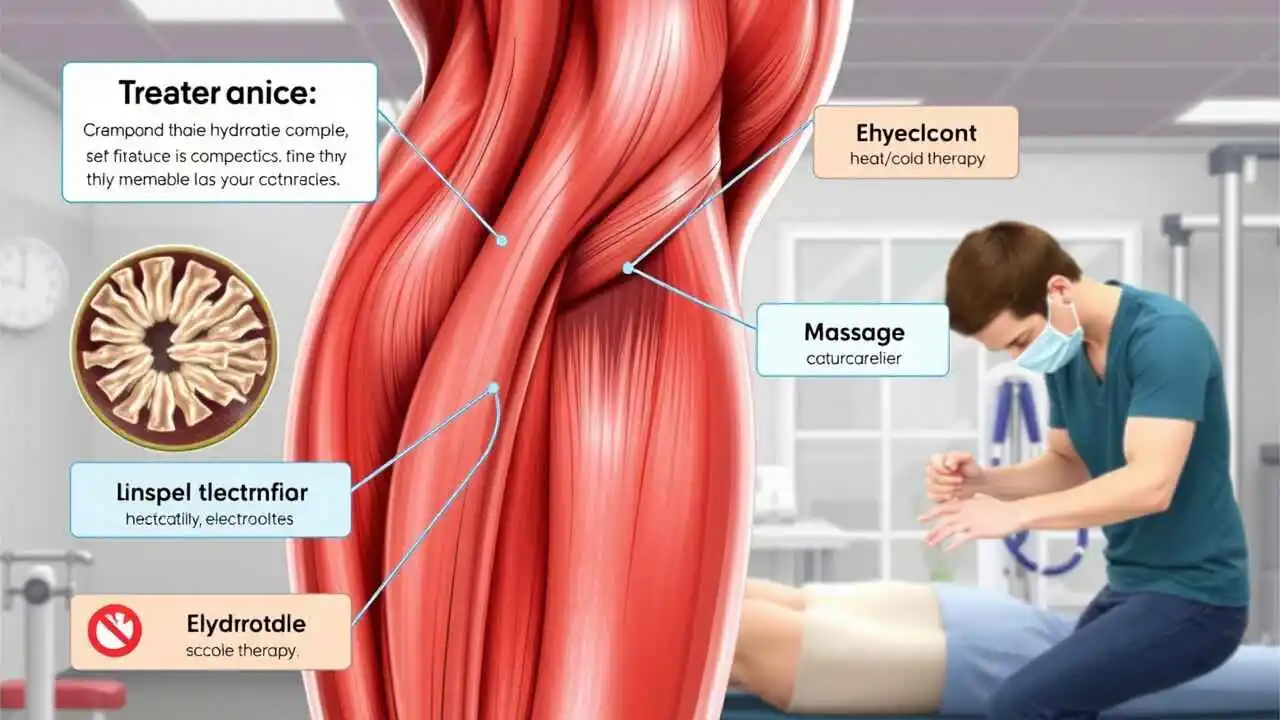
- Stretching and massage: Gently stretching and massaging the affected muscle to help relax the muscle fibers.
- Applying heat or cold: Applying heat or cold packs to the affected area to help relax the muscle and reduce pain.
- Taking over-the-counter pain relievers: Taking over-the-counter pain relievers, such as ibuprofen or acetaminophen, to help reduce pain and inflammation.
- Practicing relaxation techniques: Practicing relaxation techniques, such as deep breathing or meditation, to help reduce stress and promote muscle relaxation.
Here are some additional treatments for muscle cramps:

- Quinine: Taking quinine supplements, under the guidance of a healthcare professional, to help relax the muscles and reduce cramping.
- Physical therapy: Engaging in physical therapy to improve circulation, reduce muscle fatigue, and promote muscle relaxation.
- Acupuncture: Trying acupuncture to help stimulate blood flow and reduce muscle tension.
Conclusion
Muscle cramps are a common and often debilitating condition that can disrupt our daily lives. By understanding the causes of muscle cramps, taking precautions to prevent them, and seeking treatment when they occur, we can reduce the risk of muscle cramps and promote overall muscle health. As we conclude this article, we hope that you have gained a better understanding of muscle cramps and how to manage them. Remember to stay hydrated, stretch regularly, and take care of your overall health to reduce the risk of muscle cramps.
In the words of the American College of Sports Medicine, “A healthy lifestyle, including regular exercise, a balanced diet, and adequate hydration, can help reduce the risk of muscle cramps and promote overall health and well-being.”
By following these tips and taking care of our overall health, we can reduce the risk of muscle cramps and promote a healthy, active lifestyle.
FAQs
1. What are muscle cramps?
Question: What exactly are muscle cramps?
Answer: Muscle cramps are involuntary contractions or spasms of one or more muscles, often causing sharp pain. They can occur during exercise, at rest, or while sleeping.
2. What are some common causes of muscle cramps?
