
Table of Contents
Your Arteries Are Begging You to Read This: The Ultimate Guide to Cleaning Blood Vessels Naturally
How to flush toxins, dissolve plaque, and restore youthful circulation — without a single prescription
Introduction: The Silent River Within You
Imagine a 60,000-mile network of rivers flowing through your body every single second of every day. That’s your circulatory system — a vast, intricate web of arteries, veins, and capillaries that delivers oxygen, nutrients, and life itself to every cell you own.
Now imagine those rivers slowly silting up. Debris accumulates along the banks. The current slows. Oxygen delivery drops. Cells begin to starve. And the whole time, you feel fine. Until you don’t.
Cardiovascular disease remains the world’s number one killer, responsible for approximately 17.9 million deaths annually. Yet the tragedy isn’t inevitable. Your blood vessels are living, breathing, self-repairing tissue. Given the right environment — the right foods, habits, and lifestyle choices — they can heal, regenerate, and stay supple for decades.

This guide is your complete roadmap to cleaning blood vessels naturally: reducing plaque, lowering inflammation, improving circulation, and giving your cardiovascular system the reset it deserves. No gimmicks. No miracle supplements. Just evidence-based strategies that work.
Understanding Your Blood Vessels: A Quick Primer
Before diving into solutions, it helps to understand the problem.
Your arteries carry oxygenated blood away from the heart. Their inner walls, called the endothelium, are only one cell thick — an incredibly delicate lining that controls blood pressure, clotting, and inflammation.
Atherosclerosis is the medical term for what happens when the lining of the arteries becomes damaged. LDL (low-density lipoprotein) cholesterol infiltrates the injured wall. The immune system responds by sending macrophages to engulf the cholesterol. Those macrophages die and form foam cells — the gooey, fatty core of arterial plaque. Over time, that plaque hardens with calcium deposits, narrows the arterial passage, and stiffens blood vessel walls.
The good news: plaque development is not a one-way street. Research — including landmark studies from Dr. Dean Ornish — has demonstrated that aggressive lifestyle intervention can measurably reverse arterial plaque. Your vessels want to heal. Your job is to remove what’s hurting them and provide what helps.
Foods That Naturally Clean Blood Vessels
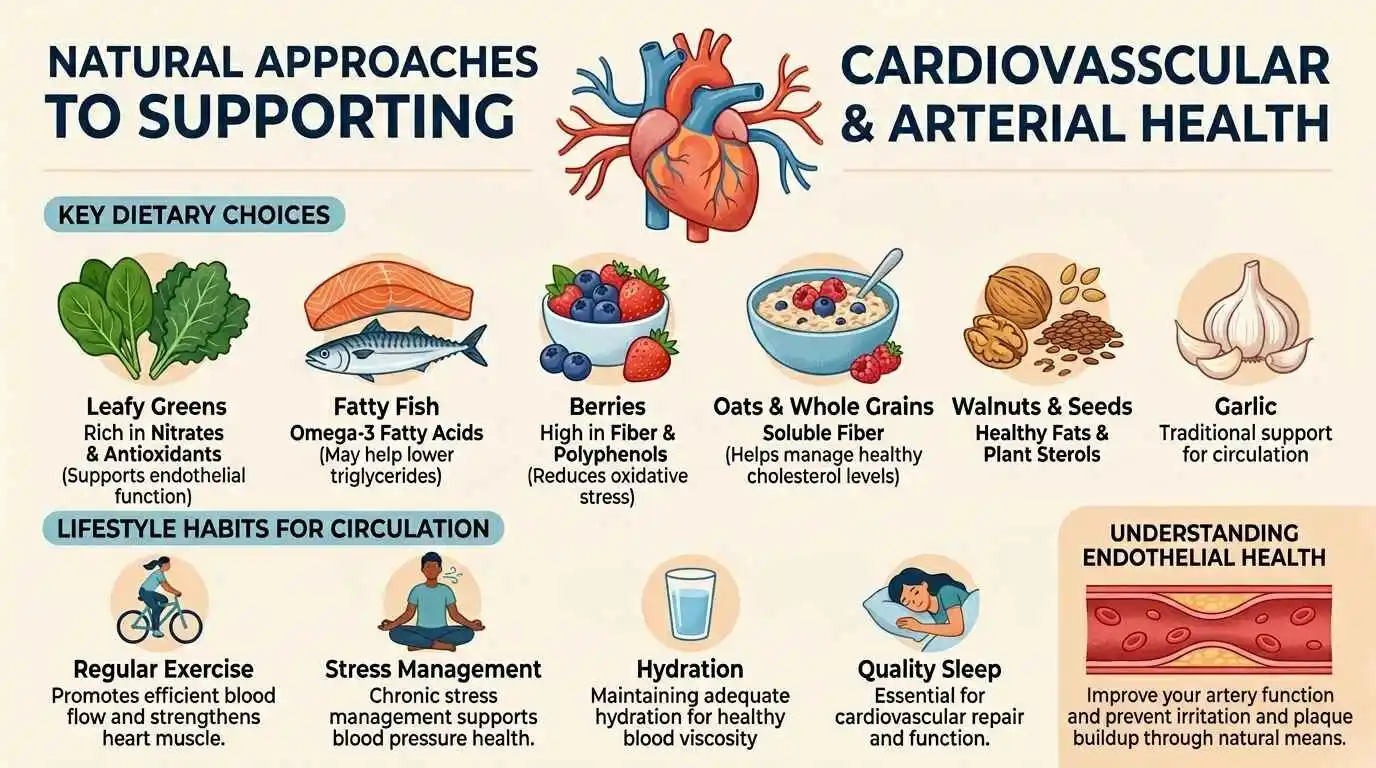
- Garlic — Nature’s Cardiovascular Pharmacy
Garlic contains allicin, a sulfur compound with extraordinary vascular benefits. Multiple clinical trials show garlic supplementation lowers total cholesterol by 10–15%, reduces blood pressure, prevents platelet aggregation (clot formation), and may help dissolve arterial deposits.
How to use it: Crush a clove and let it sit for 10 minutes before eating — this maximizes allicin production. Eat 1–2 raw cloves daily or take a standardized aged garlic extract supplement.
- Turmeric — The Golden Anti-Inflammatory
Curcumin, turmeric’s active compound, is one of the most studied natural anti-inflammatories on the planet. Since inflammation is a primary driver of arterial damage, curcumin strikes at the root cause. Research published in Nutrition Research found curcumin supplementation improved endothelial function comparably to aerobic exercise in postmenopausal women.
How to use it: Add 1 teaspoon of turmeric to warm milk, smoothies, or cooking. Always combine with black pepper — piperine increases curcumin absorption by up to 2,000%.
- Omega-3 Rich Fatty Fish
Fatty fish — salmon, mackerel, sardines, herring — are loaded with EPA and DHA omega-3 fatty acids. These essential fats reduce triglycerides, lower inflammation, prevent blood clots, and may modestly reduce blood pressure. The American Heart Association recommends two servings of fatty fish per week for cardiovascular protection.
Best sources: Wild-caught salmon, Atlantic mackerel, sardines in water, anchovies.
- Berries — Anthocyanin Powerhouses
Blueberries, strawberries, raspberries, and blackberries are bursting with anthocyanins — pigments that dramatically reduce oxidative stress on arterial walls. A landmark Harvard study following over 93,000 women found that those eating the most berries had a 32% lower risk of heart attack.
How to use it: Aim for one cup of mixed berries daily, fresh or frozen.
- Leafy Greens and Nitrates
Spinach, arugula, kale, and Swiss chard are rich in dietary nitrates, which the body converts to nitric oxide — a molecule that relaxes and dilates blood vessels, reduces blood pressure, and improves circulation. Leafy greens also provide folate, which lowers homocysteine — an amino acid linked to arterial damage at elevated levels.
How to use it: Two to three cups of leafy greens daily. Blend into smoothies or lightly sauté with garlic.
- Extra Virgin Olive Oil
The cornerstone of the Mediterranean diet, extra virgin olive oil (EVOO) is rich in oleocanthal — a natural anti-inflammatory compound — and monounsaturated fats that raise protective HDL cholesterol. The PREDIMED trial, one of the largest cardiovascular nutrition studies ever conducted, found Mediterranean diet supplemented with EVOO reduced major cardiovascular events by 30%.
How to use it: 2–4 tablespoons daily. Use on salads, drizzle on cooked vegetables, or dip bread.
- Avocados
Avocados are a unique fruit: high in heart-healthy monounsaturated fats, potassium (which manages blood pressure), and beta-sitosterol (which competes with dietary cholesterol for absorption). A 2015 study in the Journal of the American Heart Association found that eating one avocado daily on a moderate-fat diet significantly lowered LDL cholesterol.
- Green Tea
Green tea is concentrated with catechins, especially EGCG (epigallocatechin gallate), which reduce LDL oxidation, improve endothelial function, lower blood pressure, and reduce clot formation. A meta-analysis of 25 trials found consistent improvements in blood pressure from green tea consumption.
How to use it: 3–5 cups of freshly brewed green tea daily for optimal benefit.
- Pomegranate
Pomegranate juice contains uniquely potent antioxidants — punicalagins and punicic acid — shown in clinical studies to slow the progression of carotid artery intima-media thickness (a key measure of arterial plaque). One remarkable study found pomegranate juice actually reduced existing plaque by 30% over three years.
How to use it: 4–8 oz of pure, unsweetened pomegranate juice daily.
- Dark Chocolate (70%+ Cacao)
Flavanols in dark chocolate improve endothelial function, lower blood pressure, reduce platelet clumping, and increase nitric oxide production. The key is choosing chocolate with at least 70% cacao and minimal sugar.
How to use it: One to two squares (about 20–30g) of dark chocolate daily.
Lifestyle Practices for Vascular Cleansing
Exercise: The Most Powerful Vascular Medicine
Physical activity is irreplaceable. Aerobic exercise directly stimulates nitric oxide production, increases arterial elasticity, raises HDL, lowers triglycerides, reduces blood pressure, and decreases inflammation markers like CRP (C-reactive protein).
Research shows that even 30 minutes of brisk walking five days a week produces measurable cardiovascular improvements within 12 weeks. High-Intensity Interval Training (HIIT) may provide even greater benefits in shorter time periods.
Goal: Minimum 150 minutes of moderate aerobic activity per week. Include two strength training sessions. Walk after meals — even a 10-minute post-meal walk significantly blunts blood sugar spikes that damage arterial walls.
Stress Management: The Hidden Vascular Threat
Chronic psychological stress is a genuine cardiovascular risk factor. Cortisol and adrenaline — your stress hormones — damage the endothelium directly, raise blood pressure, increase clotting tendency, and promote inflammation. Chronic stress essentially drips acid on your arterial walls daily.
Effective strategies:
- Mindfulness meditation: Even 10 minutes daily reduces cortisol and lowers inflammatory markers
- Yoga: Combines movement, breathing, and stress reduction — shown to lower blood pressure and improve lipid profiles
- Deep breathing (pranayama): Activates the parasympathetic nervous system, reduces heart rate and blood pressure within minutes
- Quality sleep: 7–9 hours of sleep per night allows endothelial repair and inflammatory resolution. Sleep deprivation accelerates arterial stiffening significantly
Hydration: The Overlooked Circulatory Tool
Adequate water intake keeps blood viscosity at optimal levels. Thick, sluggish blood is harder for the heart to pump, more prone to clotting, and more damaging to arterial walls. Dehydration also elevates cortisol.
Goal: Minimum 8 glasses (2 litres) of water daily. Add a squeeze of lemon for vitamin C — an antioxidant that directly supports arterial collagen synthesis.
Quitting Smoking: Non-Negotiable
Cigarette smoking is perhaps the single most devastating thing you can do to your blood vessels. Nicotine and thousands of tobacco chemicals cause direct endothelial injury, accelerate plaque formation, reduce HDL cholesterol, increase clotting risk, and deplete vitamin C from arterial walls. The good news: within one year of quitting, cardiovascular risk drops dramatically.
Intermittent Fasting: Metabolic Vascular Reset
Emerging research shows intermittent fasting (IF) — eating within a restricted window such as 16:8 or 5:2 — significantly improves cardiovascular biomarkers. Benefits include lower triglycerides, reduced blood pressure, lower inflammatory markers, and improved insulin sensitivity. Fasting periods allow the body to shift into cellular cleanup modes (autophagy) that may help clear vascular debris.
Targeted Natural Supplements
(Always consult a healthcare provider before starting supplements, especially if on medication.)
Coenzyme Q10 (CoQ10): Essential for cellular energy production in cardiac muscle; lowers blood pressure and reduces arterial stiffness.
Magnesium: Over 50% of the population is deficient. Magnesium relaxes arterial smooth muscle, lowers blood pressure, and reduces arrhythmia risk.
Vitamin K2 (MK-7): Directs calcium away from arterial walls into bones where it belongs — directly combating arterial calcification.
Niacin (Vitamin B3): Raises HDL cholesterol, lowers triglycerides, and may reduce LDL particle size.
Berberine: A plant compound showing impressive cholesterol-lowering and blood-sugar-regulating effects comparable to some pharmaceuticals in clinical studies.
Nattokinase: An enzyme from fermented soy that may break down fibrin in blood clots and help dissolve arterial deposits over time.
What to Eliminate
No cleansing protocol works without removing what caused the damage. Eliminate or drastically reduce:
- Trans fats (partially hydrogenated oils): Found in processed snacks, fried fast food, and some margarines — the most arterially toxic dietary fat
- Refined sugar and high-fructose corn syrup: Drive triglycerides, inflammation, and insulin resistance — all arterial enemies
- Refined carbohydrates: White bread, pasta, pastries spike blood glucose, generating glycation products that stiffen arteries
- Excess sodium: Raises blood pressure by drawing water into blood vessels
- Seed oils (in excess): Corn, soybean, and sunflower oils are high in omega-6 fatty acids that promote inflammation when consumed in excess relative to omega-3s
- Processed meats: Linked to cardiovascular disease through saturated fat, sodium, and nitrate preservatives
A 4-Week Natural Vascular Cleanse Protocol
Week 1 — Eliminate and Hydrate: Remove all trans fats, refined sugar, processed foods. Drink 2.5L of water daily. Begin 20-minute walks.
Week 2 — Load Up on Vascular Foods: Add garlic, berries, leafy greens, olive oil, and fatty fish to every day. Begin the green tea ritual. Add turmeric golden milk at night.
Week 3 — Activate and Rest: Increase exercise to 45-minute sessions. Add 10 minutes of daily breathwork or meditation. Establish a consistent 10:30 pm sleep time.
Week 4 — Optimize and Test: Consider adding CoQ10, magnesium, and K2 supplementation. Book a blood panel: request lipid profile, CRP, homocysteine, fasting glucose, HbA1c.
Conclusion: Your Vessels, Your Choice
Your blood vessels are not a fixed, ageing infrastructure you simply maintain until they fail. They are dynamic, living tissue with remarkable capacity for repair and regeneration. Every meal you eat either feeds the healing process or accelerates the damage. Every walk, every good night’s sleep, every stress management practice either opens your arteries or tightens them.
The natural approach to vascular cleansing isn’t a 30-day detox. It’s a permanent shift in how you live — and the payoff is extraordinary: sharper thinking (because your brain gets more blood), more energy (because your cells get more oxygen), lower blood pressure, and a heart that beats strongly for decades to come.
Start today. Your arteries have been patiently waiting.
FAQs
- Can you actually clean blood vessels naturally?
Yes. While you cannot “flush” arteries like draining a pipe, lifestyle and dietary changes can meaningfully reduce inflammation, lower LDL oxidation, improve endothelial function, and — in some cases — reduce plaque volume over time.
- How long does it take to see results?
Blood pressure and cholesterol improvements can appear within 4–8 weeks of consistent dietary changes. Measurable plaque regression typically requires 6–12 months or longer of sustained lifestyle intervention.
- What is the most effective food for artery health?
Garlic, pomegranate, and omega-3-rich fatty fish have the strongest clinical evidence for direct arterial benefits. No single food works alone — a whole-food dietary pattern matters most.
- Does lemon water clean arteries?
Lemon water provides vitamin C, which supports arterial collagen synthesis and acts as an antioxidant. It’s beneficial but not a standalone artery cleanser — think of it as one supportive tool among many.
- Is apple cider vinegar good for blood vessel health?
Some small studies suggest ACV may modestly lower cholesterol and blood sugar. Evidence is preliminary and limited; it should not replace proven interventions but can be part of a healthy routine.
- Can exercise reverse arterial plaque?
Exercise alone has limited evidence for direct plaque reversal, but it powerfully reduces cardiovascular risk by improving lipid profiles, lowering blood pressure, reducing inflammation, and improving endothelial function.
- What drinks are best for arterial health?
Green tea, pomegranate juice, red wine (in moderation — 1 glass daily), beetroot juice, and plain water are among the best-evidenced drinks for cardiovascular benefit.
- Does turmeric unclog arteries?
Curcumin in turmeric reduces arterial inflammation and LDL oxidation, both of which contribute to plaque formation. Regular use may slow plaque development and support existing plaque stability.
- How does stress affect blood vessels?
Chronic stress raises cortisol, which damages the endothelium, increases blood pressure, promotes clotting, and elevates inflammatory markers — all accelerating arterial damage.
- Is olive oil really good for the arteries?
Yes — extensive evidence supports extra virgin olive oil’s vascular benefits. It raises HDL, reduces LDL oxidation, lowers inflammation, and improves endothelial function.
- Can fasting help clean blood vessels?
Intermittent fasting has been shown to lower triglycerides, reduce blood pressure, decrease inflammatory markers, and improve insulin sensitivity — all beneficial to arterial health.
- What vitamin is best for blood vessel health?
Vitamin K2 (directs calcium away from arteries), Vitamin C (supports arterial collagen), Vitamin D (reduces arterial stiffness), and Niacin (B3, improves lipid profile) are among the most vascularly important.
- Is dark chocolate good for arteries?
Yes — 70%+ cacao dark chocolate contains flavanols that improve endothelial function, lower blood pressure, and reduce platelet aggregation. Limit to 20–30g daily.
- Does high blood pressure damage blood vessels?
Absolutely. Sustained high blood pressure creates mechanical stress on arterial walls, accelerating endothelial injury, plaque formation, and arterial stiffening.
- What are the early warning signs of clogged arteries?
Chest pain or pressure (angina), shortness of breath during exertion, leg pain or cramping when walking (peripheral artery disease), numbness or weakness, and cold extremities can be warning signs requiring medical evaluation.
- Is beetroot good for blood flow?
Yes. Beetroot is exceptionally high in dietary nitrates, which convert to nitric oxide and dilate blood vessels. Beetroot juice has been shown to lower blood pressure within hours.
- Can you unclog arteries without surgery?
While severe blockages may require medical intervention, mild to moderate plaque can be addressed through intensive lifestyle changes, dietary reform, and evidence-based supplementation under medical supervision.
- Does sugar damage blood vessels?
Strongly yes. Excess sugar drives glycation (sugar molecules attaching to proteins), inflammation, elevated triglycerides, insulin resistance, and endothelial damage — all directly promoting atherosclerosis.
- Is fish oil effective for arteries?
Fish oil (EPA and DHA omega-3s) reduces triglycerides, lowers inflammation, and may reduce arterial plaque progression. It’s one of the most evidence-backed supplements for cardiovascular health.
- What is nitric oxide, and why does it matter?
Nitric oxide (NO) is a molecule produced by endothelial cells that relaxes and dilates blood vessels, prevents platelet clumping, reduces inflammation, and lowers blood pressure. It is essential for healthy circulation.
- How does sleep affect blood vessels?
During quality sleep, blood pressure drops, and endothelial repair occurs. Chronic sleep deprivation is associated with arterial stiffness, elevated blood pressure, and increased cardiovascular risk.
- Are raw vegetables better than cooked ones for artery health?
It depends on the vegetable. Raw garlic preserves allicin best. Light cooking of tomatoes increases lycopene bioavailability. Steaming leafy greens preserves nutrients better than boiling.
- What is the Mediterranean diet, and why is it recommended?
The Mediterranean diet — rich in olive oil, vegetables, fish, legumes, fruits, and whole grains with limited red meat and refined foods — is the most clinically validated dietary pattern for cardiovascular protection.
- Can magnesium help blood vessels?
Yes. Magnesium relaxes arterial smooth muscle, reducing blood pressure and arterial stiffness. Deficiency is extremely common and linked to hypertension and cardiovascular risk.
- Does green tea lower cholesterol?
Clinical evidence shows green tea catechins modestly lower LDL cholesterol (by approximately 5–10%), reduce LDL oxidation, and improve endothelial function with regular consumption.
- How does obesity affect blood vessels?
Excess body fat — particularly visceral (abdominal) fat — generates chronic inflammation, elevates triglycerides and LDL, lowers HDL, raises blood pressure, and promotes insulin resistance — dramatically accelerating arterial damage.
- What is homocysteine, and why should I care?
Homocysteine is an amino acid that, at elevated blood levels, directly damages the arterial endothelium. B vitamins (B6, B12, folate) lower homocysteine effectively. Testing homocysteine is a valuable cardiovascular risk screen.
- Can Coenzyme Q10 help heart and vessel health?
Yes. CoQ10 is essential for mitochondrial energy production in cardiac cells, acts as an antioxidant in arterial tissue, and has been shown in trials to lower blood pressure and reduce arterial stiffness.
- Is red wine good for blood vessels?
Moderate red wine consumption — one glass daily for women, up to two for men — is associated with cardiovascular benefit, primarily via resveratrol and other polyphenols. However, this benefit can be obtained from grape juice and berries without the risks of alcohol.
- When should I see a doctor about cardiovascular health?
Always consult a doctor before beginning aggressive supplement regimens, especially if you take medications. Seek immediate care for chest pain, sudden shortness of breath, jaw or arm pain, or any stroke symptoms (face drooping, arm weakness, speech difficulty). Regular blood panels every 12 months are recommended for adults over 35.
This article is for educational purposes only and does not constitute medical advice. Always consult a qualified healthcare professional before making significant changes to your diet, exercise routine, or supplement regimen, particularly if you have existing cardiovascular conditions.
