
Table of Contents
The Bottom Line: A Comprehensive Guide to the Causes, Symptoms, and Treatments for Painful Bowel Movements
Introduction
Digestion is a process we often take for granted. We eat, our body extracts nutrients, and we eliminate waste. It is a rhythmic biological cycle that occurs daily for most people. However, when that final step—defecation—becomes a source of pain, it can disrupt not only the digestive system but the quality of life entirely.
Painful bowel movements, medically referred to as dyschezia, are a common yet seldom discussed ailment. The taboo surrounding bathroom habits often leads individuals to suffer in silence, unaware that their symptoms are not only treatable but also often indicative of specific, manageable conditions. Pain can range from a mild cramping sensation to sharp, stabbing agony that leaves one dreading the next trip to the restroom.
This comprehensive guide aims to demystify the experience of painful pooping. We will explore the intricate anatomy of the lower gastrointestinal tract, delve into the myriad causes ranging from hemorrhoids to inflammatory bowel disease, and outline the pathways to diagnosis. Furthermore, we will discuss medical treatments, holistic natural remedies, and essential lifestyle changes that can restore comfort and health.
The Anatomy of Pain
To understand why bowel movements might hurt, one must first understand the mechanics of the process. Defecation is a complex coordination between the involuntary nervous system and voluntary muscle control.

As waste material (stool) moves from the sigmoid colon into the rectum, it triggers the rectal walls to stretch. This stretch sends a signal to the brain, creating the urge to go. To expel the stool, the internal anal sphincter (which is involuntary) relaxes, while the external anal sphincter (which is voluntary) relaxes under your control. Simultaneously, muscles in the abdomen and diaphragm contract to increase intra-abdominal pressure.
Pain can occur at any stage of this process. It can stem from the stool itself (too hard or too large), the passageway (narrowing or obstruction), the lining of the anus (fissures or skin irritation), or the muscular coordination (pelvic floor dysfunction). Identifying exactly where the pain originates is the first step in finding a solution.
What Causes Painful Pooping?
The causes of dyschezia are diverse, ranging from temporary dietary issues to chronic medical conditions.
- Constipation and Hard Stool The most common culprit is simply hard, dry stool. When stool remains in the colon too long, the body reabsorbs the water from it, leaving it hard and difficult to pass. Passing a hard mass can feel like passing a rock, causing significant trauma to the anal canal.
- Anal Fissures An anal fissure is a small tear in the thin, moist tissue (mucosa) that lines the anus. This often occurs when passing hard or large stools. The pain of an anal fissure is typically described as sharp, cutting, or like passing “razor blades.” The pain can be so severe that it triggers a reflex spasm of the anal sphincter muscle, which pulls the edges of the fissure apart and prevents healing, creating a vicious cycle of pain.
- Hemorrhoids Hemorrhoids are swollen veins in the lowest part of your rectum and anus. Sometimes the walls of these blood vessels stretch so thin that the veins bulge and get irritated, especially when you poop. Internal hemorrhoids are usually painless but may bleed, while external hemorrhoids can cause significant pain, itching, and swelling, particularly if a blood clot forms inside them (thrombosed hemorrhoid).
- Inflammatory Bowel Disease (IBD) Conditions like Crohn’s disease and Ulcerative Colitis cause chronic inflammation of the digestive tract. In Crohn’s disease, inflammation can occur anywhere along the tract, and if it affects the anus or rectum, it can lead to painful abscesses, fistulas (abnormal tunnels connecting the intestine to the skin), and ulcers.
- Irritable Bowel Syndrome (IBS) IBS is a functional disorder, meaning the digestive tract looks normal but doesn’t function properly. People with IBS often experience cramping, bloating, and altered bowel habits. The urgency and cramping associated with IBS can make bowel movements painful, even without structural damage.
- Pelvic Floor Dysfunction. In a normal bowel movement, the pelvic floor muscles relax to allow stool to pass. In pelvic floor dysfunction, these muscles paradoxically tighten or spasm instead of relaxing. This makes passing stool difficult and often requires excessive straining, leading to a sensation of incomplete emptying and pain.
- Proctitis Proctitis is inflammation of the lining of the rectum. It can be caused by IBD, infections (including sexually transmitted infections like gonorrhea or chlamydia), or radiation therapy. It causes a constant urge to defecate and rectal pain.
- Anal Abscess or Fistula An abscess is a collection of pus caused by infection. It creates throbbing pain that worsens when sitting or passing stool. A fistula often develops as a complication of an abscess; it is a tunnel that connects the infected gland inside the anus to an opening on the skin around the anus, causing chronic drainage and pain.
- Anal Cancer Though rare, a tumor in the anal canal can cause pain, bleeding, and a feeling of a lump in the area. It is often initially misdiagnosed as a hemorrhoid.
- Recognizing the Symptoms
Pain is the primary symptom, but its character and associated signs are clues to the underlying cause.
- Sharp, Stinging Pain: Characteristic of anal fissures. This pain often persists for hours after the bowel movement due to muscle spasm.
- Dull Ache or Pressure: Often associated with hemorrhoids or an abscess.
- Cramping/Spasms: Common in IBS or constipation.
- Bleeding: Bright red blood on toilet paper or in the bowl suggests hemorrhoids or fissures. Darker blood or tarry stool indicates bleeding higher up in the digestive tract.
- Itching (Pruritus Ani): Often accompanies hemorrhoids or pinworms.
- Mucus: Passing mucus can be a sign of IBS or proctitis.
- Incomplete Evacuation: The sensation that you still need to go after you’ve finished is common with pelvic floor dysfunction and hemorrhoids.
Diagnosis – The Path to Identification
Because the causes vary, a proper medical evaluation is necessary if pain persists.
- Medical History A doctor will inquire about your diet, bowel habits, duration of symptoms, and medication use. They will ask specifically about the nature of the pain—when it happens and what relieves it.
- Physical Exam This involves a visual inspection of the anus and a Digital Rectal Exam (DRE). During a DRE, the doctor inserts a lubricated, gloved finger into the rectum to check for tenderness, lumps, or blood.
- Anoscopy or Sigmoidoscopy. If internal hemorrhoids or a fissure are suspected, a short, rigid tube (anoscope) may be inserted to view the anal canal. A flexible sigmoidoscopy allows the doctor to examine the lower part of the colon.
- Colonoscopy: If there is unexplained bleeding, weight loss, or if the patient is over a certain age, a full colonoscopy may be performed to rule out colorectal cancer or IBD.
- Defecography. For pelvic floor dysfunction, this specialized X-ray or MRI is used to visualize bowel mechanics and assess whether muscles are coordinating correctly.
- Medical Treatments
Medical intervention aims to treat the underlying cause.
For Fissures:
- Nitroglycerin Ointment: Applied to the anus to increase blood flow and relax the sphincter muscle.
- Botox Injections: Injecting Botox into the anal sphincter can paralyze it temporarily to stop spasms and allow the fissure to heal.
- Lateral Internal Sphincterotomy: A minor surgery to cut a small portion of the anal sphincter muscle to reduce spasm and promote healing.
For Hemorrhoids:
- Rubber Band Ligation: A band is placed around the base of the hemorrhoid to cut off circulation, causing it to wither and fall off.
- Sclerotherapy: A chemical solution is injected to shrink the hemorrhoid.
- Hemorrhoidectomy: Surgical removal of large hemorrhoids.
For Constipation:
- Laxatives: Osmotic laxatives (like Miralax) draw water into the bowel. Stimulant laxatives (like Dulcolax) trigger contractions but are for short-term use only.
- Stool Softeners: Help mix water into the stool.
For IBD and Proctitis:
- Anti-inflammatory drugs: 5-aminosalicylates (5-ASAs) or corticosteroids (enemas or suppositories) to reduce inflammation in the rectum.
- Immunomodulators: To suppress the immune system’s overreaction.
Natural Remedies and Holistic Approaches
Natural remedies are often highly effective for functional issues like constipation and mild fissures/hemorrhoids.
- Warm Sitz Baths Soaking the pelvic area in warm water (a sitz bath) for 15–20 minutes several times a day increases blood flow to the area and relaxes the anal sphincter. This is the gold standard for relieving the pain of fissures and hemorrhoids.
- Witch Hazel Applying witch hazel (a natural astringent) to external hemorrhoids can reduce itching and swelling. It is the active ingredient in many medicated pads.
- Aloe Vera The gel of the aloe vera plant is known for its soothing and anti-inflammatory properties. Applying pure aloe gel to the anal area (externally) can soothe irritation from fissures or hemorrhoids.
- Psyllium Husk A natural soluble fiber, psyllium husk absorbs water and becomes a viscous compound that helps move stool smoothly through the intestines. It is a gentle, natural alternative to chemical laxatives.
- Essential Oils Some people find relief using diluted essential oils. For example, lavender oil has been studied for its ability to reduce anal fissure pain when mixed with olive oil. However, caution is advised; essential oils should never be applied neat (undiluted) to sensitive mucous membranes.
- Magnesium Magnesium is a natural muscle relaxant. Supplementing with magnesium citrate can help soften stool and relax the pelvic muscles, aiding in easier passage.
- Lifestyle Changes – The Foundation of Prevention
Medicine treats the problem; lifestyle prevents it. For chronic issues like constipation and IBS, lifestyle modifications are the primary treatment.
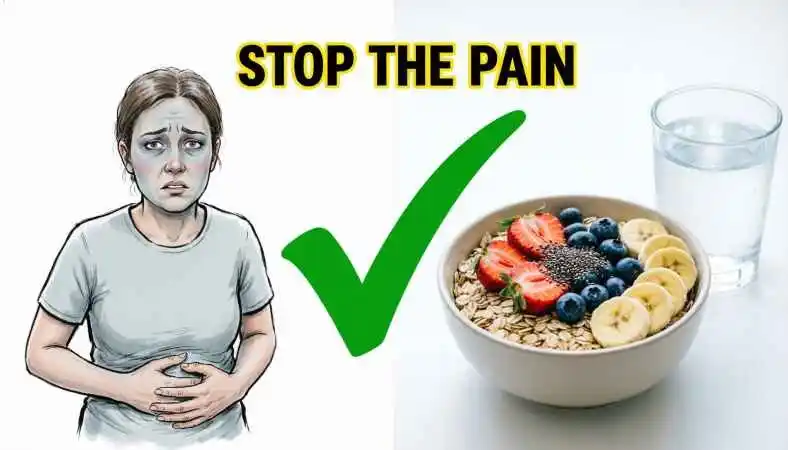
- Dietary Fiber: The “Roughage” Rule. Fiber adds bulk to stool and retains water, making it soft and easy to pass. There are two types:
- Soluble fiber: Dissolves in water (oats, beans, apples). It creates a gel-like stool.
- Insoluble fiber: Does not dissolve (wheat bran, vegetables). It adds bulk. Adults should aim for 25 to 35 grams of fiber daily. Note: Increase fiber slowly to avoid gas and bloating.
- Hydration Fiber without water is like a sponge without liquid—it becomes a hard, dry mass. Drinking 8-10 glasses of water a day is essential to keep stool soft. Caffeine and alcohol can dehydrate, so balance them with extra water.
- Bowel Retraining: Establish a routine. The urge to defecate is strongest in the morning due to the “gastrocolic reflex” (triggered by eating breakfast). Set aside time after a meal to sit on the toilet, even if you don’t have the urge, to train your body into a rhythm.
- Proper Posture: The Squatty Potty. The modern toilet is ergonomically poor for defecation. Sitting creates a kink in the rectum, making it difficult to pass stool. Squatting aligns the rectum and puborectalis muscle for a straight passage. Using a footstool to elevate your knees (simulating a squat) can significantly reduce straining and pain.
- Exercise Physical activity stimulates the intestines. A daily 30-minute walk can help with motility. Yoga poses like the “Wind-Relieving Pose” (Pavanamuktasana) can massage the colon and release gas.
- Avoid Straining. Straining increases pressure in the rectal veins, leading to hemorrhoids. If you cannot go within 5 minutes, get up and move around. Do not hold your breath; try to exhale slowly during the effort.
- Mindful Wiping Over-wiping or using dry, rough toilet paper can irritate the sensitive skin. Use moist wipes (unscented to avoid chemical irritation) or a bidet for gentle cleaning.
- Managing Stress The gut and brain are intimately connected via the vagus nerve. Stress can trigger IBS flares and pelvic floor tension. Techniques like deep breathing, meditation, and cognitive-behavioral therapy (CBT) can significantly improve functional bowel disorders.
- Special Considerations
Pregnant women are highly susceptible to painful bowel movements due to hormonal changes that slow digestion and the physical pressure of the uterus on the rectum. Iron supplements can also cause constipation. Pregnancy-safe stool softeners and aggressive hydration are key.
In children, painful pooping often leads to “stool withholding”—they hold it in because they are afraid of the pain, which makes the stool harder and larger, causing more pain. This cycle requires parental intervention with stool softeners and positive reinforcement.
When to See a Doctor
While occasional discomfort is normal, persistent pain requires professional attention. See a doctor if you experience:
- Blood in your stool (especially dark blood).
- Unexplained weight loss.
- Severe abdominal pain.
- Fever.
- A family history of colon cancer or IBD.
- Pain that persists despite home treatment.
Conclusion
Painful bowel movements are a distressing signal that something in the digestive system is out of balance. Whether it is a simple fissure caused by a low-fiber diet or a complex issue like pelvic floor dysfunction, the solution rarely lies in ignoring the problem. By combining medical treatments with natural remedies and robust lifestyle changes—specifically focusing on hydration, fiber, and proper posture—most people can find relief. Listening to your body, understanding the signals, and seeking appropriate care is not just about fixing a symptom; it is about reclaiming your daily comfort and long-term health.
Q1: What are painful bowel movements?
Painful bowel movements refer to the discomfort or pain experienced during or after passing stools. This can be a symptom of an underlying condition or a result of certain lifestyle habits. Painful bowel movements can be sharp, dull, or crampy and may be accompanied by other symptoms like bleeding or constipation.
Q2: What causes painful bowel movements?
Painful bowel movements can be caused by various factors, including constipation, diarrhea, irritable bowel syndrome (IBS), anal fissures, hemorrhoids, and inflammatory bowel disease (IBD). Other factors like a low-fiber diet, dehydration, and certain medications can also contribute to painful bowel movements.
Q3: How can I naturally relieve painful bowel movements?
Natural remedies like increasing fiber intake, staying hydrated, and practicing relaxation techniques can help alleviate painful bowel movements. Warm baths, topical creams, and certain herbal supplements, such as aloe vera and slippery elm, may also provide relief.
Q4: What dietary changes can help with painful bowel movements?
A diet rich in fiber from sources like fruits, vegetables, and whole grains can help soften stools and reduce pain. Increasing omega-3 fatty acid intake and avoiding trigger foods, such as spicy or fatty foods, can also help.
Q5: How does hydration affect bowel movements?
Adequate hydration helps soften stools, making them easier to pass and reducing the risk of constipation and painful bowel movements. Aim to drink at least 8-10 glasses of water per day.
Q6: Can exercise help alleviate painful bowel movements?
Regular physical activity can help stimulate bowel movements and improve digestion. Exercise can also reduce stress, which can contribute to painful bowel movements.
Q7: What are some natural laxatives for constipation?
Natural laxatives like psyllium husk, flaxseed, and prune juice can help soften stools and promote regular bowel movements. Other options include aloe vera juice and certain herbal teas.
Q8: Can probiotics help with painful bowel movements?
Probiotics can help regulate gut bacteria, reduce inflammation, and improve digestion, which may alleviate painful bowel movements. Foods rich in probiotics include yogurt, kefir, and fermented vegetables.
Q9: How can I manage painful bowel movements during menstruation?
Hormonal changes during menstruation can contribute to painful bowel movements. Staying hydrated, practicing relaxation techniques, and using warm compresses can help alleviate symptoms.
Q10: Can stress contribute to painful bowel movements?
Yes, stress can exacerbate painful bowel movements by causing muscle tension and altering bowel habits. Practicing stress-reducing techniques like meditation, yoga, or deep breathing can help manage symptoms.
Q11: What are some lifestyle changes to prevent painful bowel movements?
Lifestyle changes like maintaining a healthy weight, exercising regularly, and avoiding straining during bowel movements can help prevent painful bowel movements.
Q12: Can certain medications cause painful bowel movements?
Yes, certain medications like painkillers, antidepressants, and iron supplements can cause constipation or painful bowel movements as a side effect.
Q13: How can I prevent anal fissures and painful bowel movements?
Preventing anal fissures involves maintaining a healthy diet, staying hydrated, and avoiding straining during bowel movements. Topical creams and ointments can also help.
Q14: Can a low-FODMAP diet help with painful bowel movements?
A low-FODMAP diet may help alleviate symptoms of IBS, including painful bowel movements. FODMAPs are fermentable carbohydrates that can cause digestive issues in some individuals.
Q15: How can I soothe painful bowel movements with topical treatments?
Topical creams, ointments, and suppositories containing ingredients like witch hazel, aloe vera, or lidocaine can help numb the area and reduce pain.
Q16: Can bowel movements be painful due to underlying medical conditions?
Yes, certain medical conditions like IBD, IBS, and endometriosis can cause painful bowel movements. If you experience persistent or severe symptoms, consult a healthcare professional for proper diagnosis and treatment.
Q17: Are there any herbal remedies for painful bowel movements?
Herbal remedies like slippery elm, marshmallow root, and chamomile tea may help soothe and calm the digestive tract, reducing painful bowel movements.
Q18: Can painful bowel movements be a sign of a more serious condition?
In some cases, painful bowel movements can be a symptom of a more serious underlying condition, such as colorectal cancer or a bowel obstruction. If you experience persistent or severe symptoms, consult a healthcare professional.
Q19: How can I reduce pain during bowel movements?
Reducing pain during bowel movements involves a combination of lifestyle changes, natural remedies, and, if necessary, medical treatment. Practicing relaxation techniques, using topical treatments, and maintaining a healthy diet can help.
Q20: Can I prevent painful bowel movements by changing my bowel habits?
Yes, changing bowel habits like avoiding straining, taking regular breaks to use the bathroom, and not delaying bowel movements can help prevent painful bowel movements.
Q21: Can painful bowel movements be a symptom of a food intolerance?
Yes, food intolerances like lactose or gluten intolerance can cause painful bowel movements. Identifying and avoiding trigger foods can help alleviate symptoms.
Q22: When should I seek medical attention for painful bowel movements?
If you experience persistent or severe painful bowel movements, bleeding, or other concerning symptoms, seek medical attention. A healthcare professional can help diagnose the underlying cause and recommend appropriate treatment.
Medical Disclaimer:
The information provided on this website is for general educational and informational purposes only and is not intended as a substitute for professional medical advice, diagnosis, or treatment. Always seek the advice of your physician or other qualified health provider with any questions you may have regarding a medical condition. Never disregard professional medical advice or delay in seeking it because of something you have read on this website.
