
Table of Contents
As we conclude this guide, it is important to address common misconceptions that might prevent people from consuming these beneficial foods.
Myth 1: “Fruit is too high in sugar; it causes brain fog.”
- Reality: While fruit contains fructose, it is packaged with fiber, vitamins, and phytochemicals. The fiber acts as a buffer, slowing the absorption of sugar into the bloodstream. Processed sugar causes spikes and crashes; whole fruit provides sustained energy. The brain requires glucose, and whole fruit is one of the cleanest sources available.
Myth 2: “You can just take supplements instead of eating fruit.”
- Reality: While supplements have their place, they lack the “entourage effect.” The nutrients in fruit work synergistically. For example, Vitamin C in an orange enhances the absorption of iron and other compounds. Isolated antioxidants in pill form often do not have the same efficacy as those consumed within the whole food matrix.
Myth 3: “Frozen fruit is less nutritious than fresh.”
- Reality: Frozen fruit is often picked at peak ripeness and flash-frozen immediately, locking in nutrients. “Fresh” fruit that has traveled thousands of miles and sat on a shelf for two weeks may have significantly degraded nutrient levels. Frozen berries are an excellent, cost-effective option for smoothies and oatmeal.
Conclusion: A Holistic Approach to Cognitive Longevity
Optimizing brain health is a lifelong journey, not a sprint. While the 20 fruits listed above are powerful allies, they work best as part of a holistic lifestyle that includes regular physical exercise, quality sleep, stress management, and mental stimulation.
By diversifying your diet to include a colorful array of berries, citrus fruits, and tropical treats, you are essentially building a “moat” around your cognitive function. You are fueling your neurotransmitters, protecting your neurons from damage, and ensuring that the blood vessels feeding your brain remain clear and efficient.
Start small. Add blueberries to your cereal tomorrow. Swap your afternoon candy bar for an apple and peanut butter. Drink a glass of tart cherry juice before bed. These small, consistent changes compound over time, leading to sharper focus, better memory, and a more resilient mind.

Your brain is your most valuable asset. Feed it well.
Examples for “Focus” Meal Prep
Example 1: The “Monday Morning” Brain Bowl
- Base: Acai puree (frozen).
- Toppings: Sliced strawberries, blueberries, granola (whole grain), and chia seeds.
- Benefit: High antioxidant load to combat “Monday blues” and oxidative stress from a stressful weekend or workweek start.
Example 2: The “Student” Trail Mix
- Ingredients: Dried cranberries, dried apple chips, walnuts (for Omega-3s), and dark chocolate chips.
- Benefit: Portable, non-perishable, and provides energy for studying without requiring a break to prepare food.
Example 3: The “Executive” Lunch Salad
- Greens: Arugula and spinach.
- Fruit: Sliced pear or apple and pomegranate seeds.
- Protein: Grilled chicken or chickpeas.
- Dressing: Lemon-olive oil vinaigrette.
- Benefit: Light enough to prevent the “food coma” (post-prandial somnolence) but nutrient-dense enough to power through afternoon meetings.
Summary Checklist
Print this list and keep it on your fridge as a reminder of the 20 fruits to rotate through your diet:
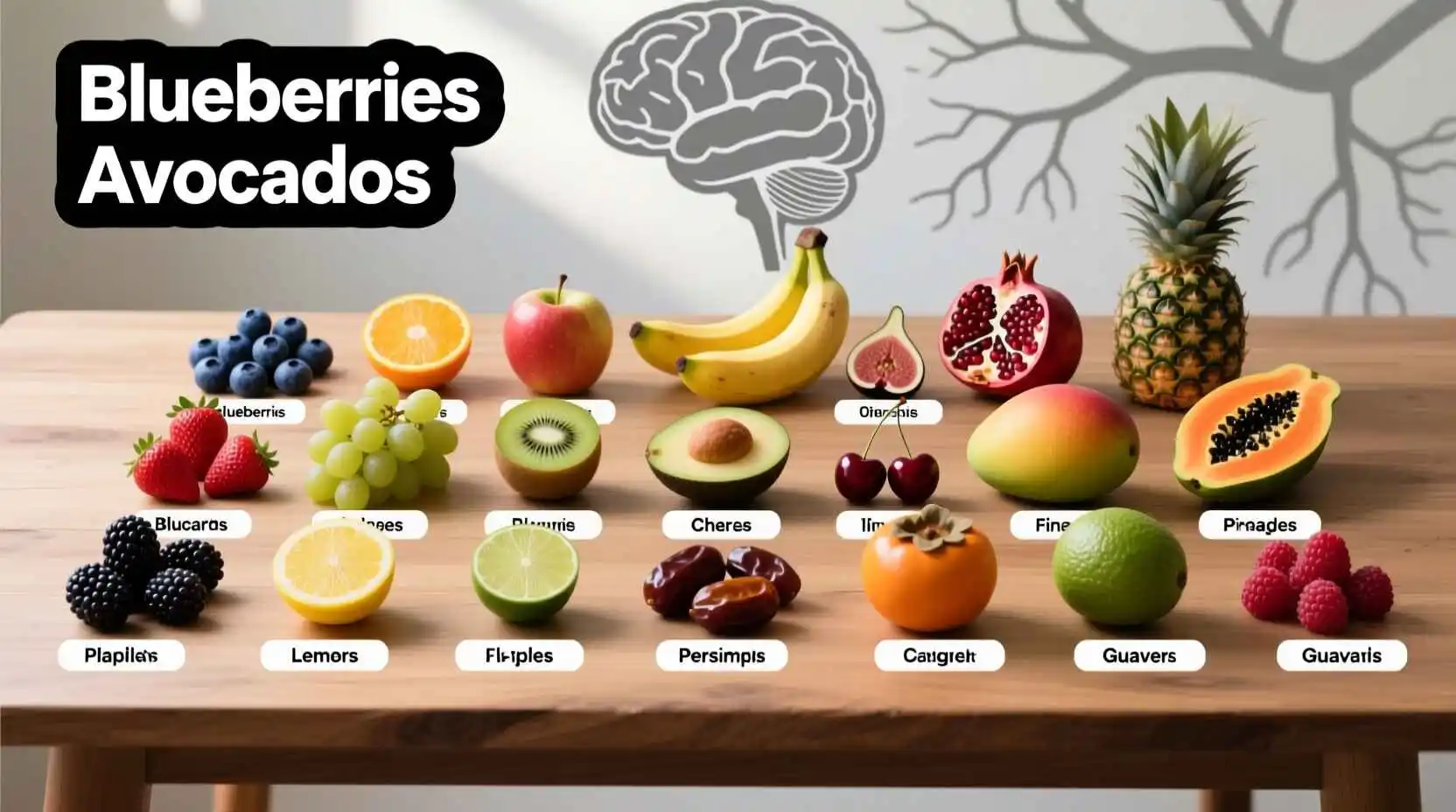
- Blueberries – The memory king.
- Avocado – The blood flow booster.
- Pomegranate – The plaque fighter.
- Oranges – The alertness aid.
- Bananas – The mood stabilizer.
- Strawberries – The inflammation reducer.
- Red Grapes – The longevity fruit.
- Kiwi – The sleep helper.
- Blackberries – The cell regenerator.
- Tomatoes – The neuroprotector.
- Apples – The acetylcholine saver.
- Tart Cherries – The recovery agent.
- Papaya – The neurotransmitter fuel.
- Guava – The concentration aid.
- Mangoes – The memory preserver.
- Raspberries – The anti-fog fruit.
- Cranberries – The vascular guardian.
- Watermelon – The hydrator.
- Grapefruit – The mood lifter.
- Lemons – The nervous system calmer.
By consciously checking these off, you ensure you are covering the full spectrum of brain-boosting nutrients, leading to a healthier, sharper, and more focused you.
FAQs:
- How do fruits contribute to brain health?
- Fruits are rich in essential nutrients like vitamins, minerals, antioxidants, and fiber that support brain function and overall health.
- Which fruits are best for brain health?
- Blueberries, bananas, oranges, avocados, apples, and grapes are top choices due to their high nutritional value beneficial for the brain.
- What key nutrients do fruits provide for the brain?
- Fruits offer vitamins (C, B, E), minerals (potassium), antioxidants, fiber, and phytonutrients, all crucial for brain function and protection.
- What happens if I don’t get enough of these nutrients?
- Deficiencies can lead to issues like fatigue, cognitive decline, and neurological problems, highlighting the importance of a balanced diet.
- How can I prevent nutrient deficiencies?
- Incorporate a variety of fruits into meals, consider supplements if necessary, and consult a healthcare provider for personalized advice.
- Are there risks to eating too much fruit?
- While fruits are healthy, overconsumption can lead to excessive sugar intake. Moderation is key, as with any food.
- Can fruits improve mental performance?
- Yes, certain fruits like blueberries and bananas can enhance focus and memory due to their nutrient content.
- Should I worry about sugar in fruits?
- Natural sugars in fruits, paired with fiber, are healthier than processed sugars. Moderation is still advised.
- How to include fruits if they’re out of season?
- Opt for frozen or dried options, which retain most nutrients and provide a convenient alternative.
- How many fruits should I eat daily?
- Aim for 2-3 servings, ensuring a variety to maximize nutrient intake without overdoing sugar.
Conclusion: Fruits are a delicious and nutritious way to support brain health. Enjoy a variety, practice moderation, and consider consulting a dietitian for personalized advice.
Disclaimer: This content offers general health and nutrition information. It is not intended as medical advice, diagnosis, or treatment. Individual dietary needs vary. Please consult a qualified health professional with any questions about your personal health before implementing new meal plans or dietary changes. You are responsible for ensuring recipes are safe for your specific allergies and dietary needs.
