
Table of Contents
Natural Hemoglobin Boosters: Top Superfood Supplements You Need
Introduction: The River of Life
As we delve into the fascinating world of human biology, we often come across terms that seem complex on the surface but hold the key to our very existence. One such term is hemoglobin, a remarkable protein residing within our red blood cells that serves as the literal engine of our vitality. It is the unsung hero of our physiology, working tirelessly every second of every day to sustain the spark of life. In this comprehensive exploration, we will not only define what hemoglobin is but also unravel the critical importance of its functions, the nuances of its levels, and the severe damages caused by its deficiency. Most importantly, we will embark on a journey through nature’s pharmacy, discovering the top superfood supplements and lifestyle strategies needed to optimize this vital molecule.
The Biological Blueprint – Understanding Hemoglobin
Hemoglobin is far more than a mere component of blood; it is a sophisticated molecular machine. Scientifically, it is a metalloprotein—a protein that contains a metallic cofactor—found within red blood cells (erythrocytes). Its primary mandate is transportation. It acts as a freight train, picking up life-sustaining oxygen in the lungs and delivering it to the farthest reaches of the body, from the neurons in the brain to the toes in our feet.
Structurally, hemoglobin is a marvel of biological engineering. It is composed of four protein molecules (globulin chains) and four heme groups. Each heme group contains a single iron atom (Fe). This iron is the crucial binding site; it is where the oxygen molecule attaches. This unique quaternary structure allows hemoglobin to bind to four oxygen molecules simultaneously, facilitating highly efficient transportation. The iron gives blood its characteristic red color—a visible signature of the life force flowing within us.
As the renowned biologist and Nobel laureate Linus Pauling once famously stated:

“Hemoglobin is a very beautiful and interesting molecule, and its structure and function have been the subject of much research and speculation.”
Pauling’s work revolutionized our understanding of this molecule, revealing how slight changes in its structure can lead to diseases like sickle cell anemia. Understanding this intricate molecule is the first step toward appreciating why maintaining its levels is non-negotiable for health.
The Vital Functions – Why Hemoglobin is Indispensable
Hemoglobin is crucial for our survival, and its importance permeates nearly every physiological system. Its role extends far beyond simple gas exchange. Some of the key reasons why hemoglobin is essential include:
- Oxygen Transportation: The Energy Supply Chain The most celebrated function of hemoglobin is carrying oxygen from the lungs to the body’s tissues. Every cell in the human body requires oxygen to perform aerobic respiration—the process by which cells convert glucose into Adenosine Triphosphate (ATP), the energy currency of life. Without hemoglobin, oxygen would not dissolve sufficiently in blood plasma to sustain complex multicellular life. It is the bridge between the air we breathe and the energy we feel.
- Carbon Dioxide Removal: The Waste Management System Metabolism produces waste, primarily in the form of carbon dioxide (CO2). If allowed to accumulate, CO2 would acidify the blood and poison the body. Hemoglobin assists in removing this waste. It binds to CO2 in the tissues and transports it back to the lungs, where it is exhaled. Roughly 20% of the body’s CO2 is transported this way (carbaminohemoglobin), working in concert with bicarbonate to maintain the body’s chemical balance.
- Maintaining Blood pH: The Chemical Buffer The human body is incredibly sensitive to pH levels. A slight drop in pH (acidosis) or rise (alkalosis) can be fatal. Hemoglobin acts as a powerful buffer. It binds to free hydrogen ions (H+) in the blood. When tissues are active and producing acid, hemoglobin picks up these H+ ions, minimizing the change in blood pH. This function is inextricably linked to the Bohr effect, a physiological phenomenon where hemoglobin’s affinity for oxygen decreases in acidic environments, ensuring that oxygen is released exactly where it is most needed (in acidic, active tissues).
- Nitric Oxide Transport: Vascular Regulation Emerging research has highlighted hemoglobin’s role in transporting nitric oxide (NO). Nitric oxide is a signaling molecule involved in vasodilation—the widening of blood vessels. By regulating the release of NO, hemoglobin helps control blood pressure and ensures that blood flow is directed efficiently to organs that need it most.
The Metrics – Understanding Hemoglobin Levels
Hemoglobin levels are a standard biomarker in medical check-ups, measured in grams per deciliter (g/dL) of blood. However, “normal” is not a single number; it is a range that varies based on age, sex, and even altitude.
The following table illustrates the general normal hemoglobin ranges for different populations:
|
Population |
Normal Hemoglobin Range (g/dL) |
|
Adult Men |
13.5 – 17.5 |
|
Adult Women |
12.0 – 16.0 |
|
Children (6-12 years) |
11.5 – 15.5 |
|
Infants (6-12 months) |
9.5 – 13.0 |
|
Pregnant Women |
11.0 – 14.0 (Due to increased plasma volume) |
It is important to note that these ranges can shift based on environmental factors. For example, people living at high altitudes naturally have higher hemoglobin levels to compensate for the lower oxygen availability in the atmosphere. Conversely, smokers may have artificially elevated levels due to the carbon monoxide in smoke, which binds to hemoglobin more tightly than oxygen, forcing the body to produce more to compensate.
The Silent Epidemic – Hemoglobin Deficiency (Anemia)
Hemoglobin deficiency, medically known as anemia, occurs when the body does not have enough healthy red blood cells or hemoglobin to carry adequate oxygen to the body’s tissues. It is arguably the most common blood disorder in the world, affecting billions of people.
The Root Causes Anemia is not a disease itself but a manifestation of an underlying issue. The primary culprits include:
- Iron Deficiency: This is the most common cause globally. Iron is the central atom of the heme group. Without iron, the body cannot produce hemoglobin. This often stems from dietary insufficiency, poor absorption, or blood loss.
- Vitamin Deficiencies: Vitamins B12 and folate (B9) are essential for DNA synthesis and the maturation of red blood cells in the bone marrow. A deficiency in either leads to the production of large, immature, and dysfunctional red blood cells (megaloblastic anemia).
- Chronic Diseases: Conditions like chronic kidney disease (which reduces EPO production), cancer, HIV/AIDS, and inflammatory disorders can interfere with the body’s ability to produce red blood cells.
- Acute Blood Loss: Heavy bleeding due to injury, surgery, ulcers, or menstruation can deplete the body’s iron stores faster than they can be replenished.
The Damages: When the Body Suffocates The damages caused by hemoglobin deficiency are systemic and insidious. Because every cell needs oxygen, every system suffers when supply drops.
- Fatigue and Weakness: This is the hallmark symptom. Inadequate oxygen delivery to the muscles means they cannot produce energy efficiently. Simple tasks like climbing stairs or carrying groceries become exhausting.
- Shortness of Breath (Dyspnea): The lungs work harder to try to oxygenate the blood, leading to a feeling of air hunger, even during mild exertion or at rest in severe cases.
- Dizziness and Lightheadedness: The brain is the most oxygen-hungry organ. Reduced oxygen delivery (cerebral hypoxia) leads to dizziness, headaches, and fainting spells.
- Poor Cognitive Function: Anemia is strongly linked to impaired concentration, memory lapses, and reduced attention span. In children, it can lead to developmental delays.
- Cardiovascular Complications: To compensate for low oxygen, the heart must beat faster and harder (tachycardia). Over time, this strains the heart muscle, leading to left ventricular hypertrophy, heart murmurs, and eventually heart failure.
- Compromised Immunity: Oxygen is needed for immune cells to kill bacteria. Anemia weakens the immune system, making the body more susceptible to infections.
- Poor Wound Healing: Repairing tissue requires energy and oxygen. Anemic individuals often find that cuts and sores take longer to heal.
Nature’s Pharmacy – Top Superfoods to Boost Hemoglobin
While medical interventions like transfusions are necessary for acute cases, the long-term prevention and treatment of hemoglobin deficiency lie largely in our diet. Nature provides an abundance of superfoods rich in iron, vitamins, and cofactors essential for blood health.
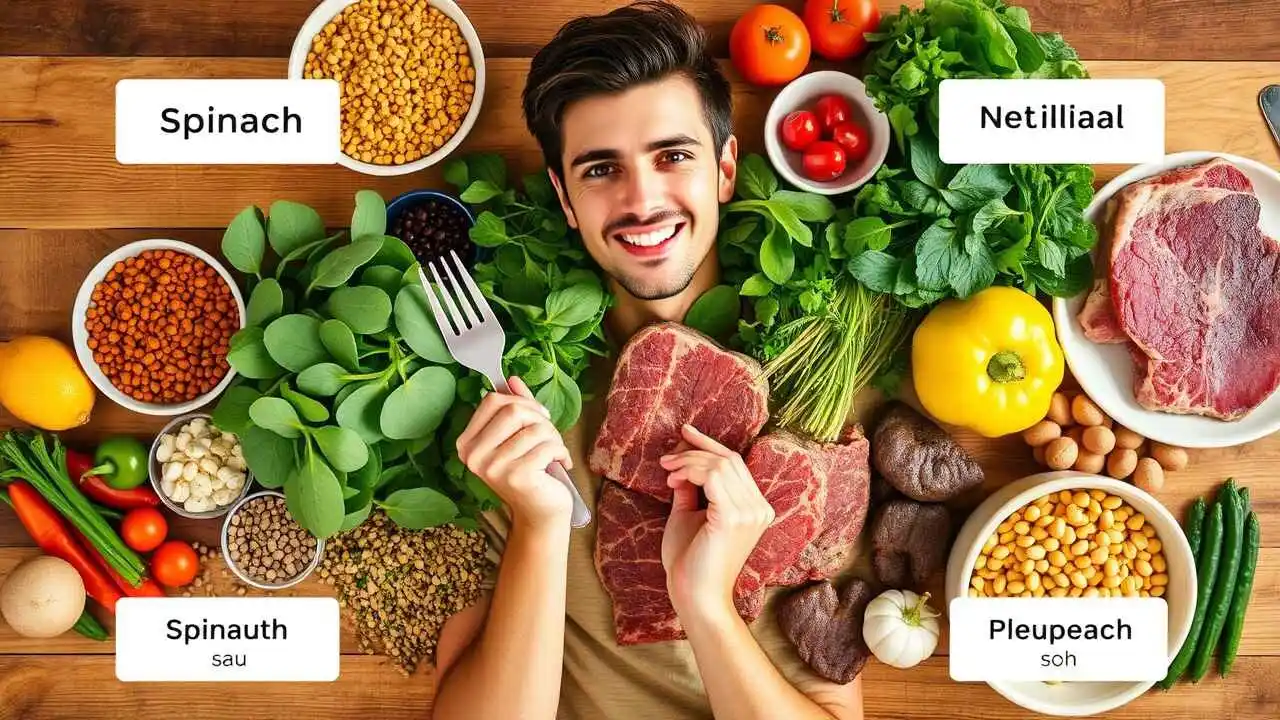
- Spinach: The Leafy Green Powerhouse Spinach is perhaps the most famous iron-rich plant food. It is a dense source of non-heme iron (the type of iron found in plants).
- Why it works: Spinach is loaded with iron, Vitamin C, and folic acid.
- How to use: While spinach contains oxalates which can inhibit iron absorption, cooking spinach breaks down these oxalates and makes the iron more bioavailable. Sauté it with a squeeze of lemon juice to unlock its full potential.
- Red Meat: The Bioavailable King For those who consume animal products, red meat (beef, lamb) is one of the most effective ways to boost hemoglobin.
- Why it works: Red meat contains heme iron, which is absorbed by the body much more efficiently (up to 30% absorption) than non-heme iron (2-10% absorption). It also increases the absorption of non-heme iron from other foods eaten at the same meal.
- How to use: Grass-fed beef is preferred as it is higher in nutrients and lower in saturated fats.
- Liver and Organ Meats Often called “nature’s multivitamin,” liver is incredibly nutrient-dense.
- Why it works: It is exceptionally high in both iron and Vitamin B12, the two most critical nutrients for preventing anemia.
- How to use: Chicken liver pâté or sautéed beef liver once a week can rapidly replenish iron stores.
- Legumes: Lentils, Chickpeas, and Beans For vegetarians and vegans, legumes are the bedrock of hemoglobin support.
- Why it works: Lentils are a powerhouse of non-heme iron, folate, and protein. They provide a sustained release of energy without the sugar crash.
- How to use: A warm bowl of lentil soup (dal) is a traditional remedy for anemia in many cultures. Soaking beans overnight before cooking can help reduce phytates, which block mineral absorption.
- Pumpkin Seeds These tiny seeds are nutritional giants.
- Why it works: Pumpkin seeds are rich in iron, magnesium, and zinc. Magnesium helps improve energy production at the cellular level, complementing the iron’s oxygen transport role.
- How to use: Sprinkle them on salads, oatmeal, or eat them roasted as a snack.
- Dark Chocolate Good news for chocolate lovers: high-quality dark chocolate is a source of iron.
- Why it works: Dark chocolate (70-85% cocoa) contains significant amounts of iron per serving, along with copper, which aids in iron metabolism.
- How to use: A small square daily can satisfy sweet cravings while contributing to iron intake, though it should not be relied upon as the sole source.
- Beetroot: The Blood Builder Beetroots have been used for centuries to treat blood-related ailments.
- Why it works: Beets are high in nitrates, which the body converts into nitric oxide. Nitric oxide relaxes blood vessels and improves blood flow, enhancing the efficiency of oxygen delivery. While not high in iron itself, it acts as a hemoglobin facilitator. It is also rich in folic acid.
- How to use: Drinking fresh beetroot juice or adding roasted beets to salads is a popular way to stimulate red blood cell production.
- Pomegranate This vibrant fruit is rich in iron, Vitamin C, and other essential minerals.
- Why it works: Pomegranate not only supplies iron but also acts as a blood purifier. Studies suggest that regular consumption can help maintain healthy hemoglobin levels.
- How to use: Eat the seeds (arils) or drink pure pomegranate juice.
- Blackstrap Molasses This thick, dark syrup is a byproduct of sugar refining and is a traditional tonic for anemia.
- Why it works: Just one tablespoon of blackstrap molasses contains a significant amount of iron (up to 20% of the daily requirement), along with calcium, magnesium, and B vitamins.
- How to use: It can be taken straight off the spoon (it has a strong, distinct flavor) or added to warm water and lemon as a morning tonic.
- Spirulina This blue-green algae is a superfood in the truest sense.
- Why it works: Spirulina is incredibly dense in nutrients, containing a bioavailable form of iron that is easy for the body to digest. It is also rich in chlorophyll, which chemically resembles hemoglobin and helps build healthy blood.
- How to use: Add a teaspoon of spirulina powder to smoothies or water.
The Cofactors – Supplements for Maximum Absorption
Eating iron-rich foods is only half the battle. Absorption is the other. To ensure that the iron you consume actually converts to hemoglobin, you need specific “helper” nutrients.
Vitamin C: The Catalyst Vitamin C is perhaps the most critical cofactor for hemoglobin. It converts non-heme iron (from plants) into a form that is more easily absorbed by the body.
- Natural Sources: Citrus fruits (oranges, lemons, grapefruits), bell peppers, strawberries, kiwi, and guava.
- Strategy: Always pair your plant-based iron sources with Vitamin C. For example, drink lemon water with your spinach salad, or add strawberries to your oatmeal.
Vitamin B12 and Folate (B9) Deficiencies in these vitamins trap iron in the body in a form that cannot be utilized, leading to a condition where iron stores look normal but hemoglobin remains low.
- Natural Sources (B12): Animal products only—meat, fish, eggs, dairy. Vegans must rely on fortified foods or supplements.
- Natural Sources (Folate): Leafy greens, broccoli, peanuts, avocado.
Copper Though often overlooked, copper is essential for iron metabolism. It helps the body utilize the iron stored in the liver.
- Natural Sources: Shellfish (oysters, crabs), nuts, seeds, and dark chocolate.
Herbal Supplements – Traditional Remedies
Beyond whole foods, certain herbal supplements have stood the test of time in treating anemia.
- Nettle Leaf (Stinging Nettle): Nettle is rich in iron, Vitamin C, and chlorophyll. It is traditionally used as a tonic for women during menstruation to support blood health. It can be consumed as a tea or capsule.
- Dong Quai (Angelica Sinensis): Known as “female ginseng” in Traditional Chinese Medicine, Dong Quai has been used for thousands of years to treat anemia and regulate the menstrual cycle. It is believed to invigorate the blood.
- Withania Somnifera (Ashwagandha): While primarily an adaptogen for stress, Ashwagandha improves red blood cell count and hemoglobin levels by enhancing overall vitality and oxygen utilization.
- Yellow Dock Root: This herb is a classic Western herbal remedy for anemia. It contains iron and is believed to improve the absorption of iron from food.
Lifestyle and Absorption Hacks
Even the best diet can be undermined by poor habits. Here are lifestyle changes to maximize hemoglobin production:
- Cook in Cast Iron Skillets Cooking acidic foods (like tomato sauce) in cast iron cookware can leach significant amounts of iron into the food. This is a passive, effective way to increase your iron intake, especially for vegetarians.
- The “Anti-Nutrient” Trap Certain compounds naturally block iron absorption. Be mindful of:
- Tannins: Found in tea, coffee, and wine. Avoid drinking these with meals.
- Phytates: Found in whole grains and legumes. Soaking, sprouting, or fermenting these foods breaks down phytates.
- Calcium: Calcium competes with iron for absorption. Try not to take calcium supplements or eat dairy products at the same time as your iron-rich main course.
- Gut Health Iron is absorbed in the duodenum (the first part of the small intestine). If you have gut inflammation, celiac disease, or dysbiosis, your ability to absorb iron is compromised. Probiotics and a gut-healing diet (low in processed foods) are foundational to treating anemia.
- Exercise Moderate exercise stimulates the production of erythropoietin (EPO), a hormone produced by the kidneys that signals the bone marrow to make more red blood cells. This is why athletes who train at high altitudes often have higher hemoglobin levels.
Conclusion: Empowering Your Blood
Hemoglobin is a vital protein that plays a critical role in our body’s functions, acting as the bridge between the air we breathe and the life we live. Understanding its importance, its complex functions, normal levels, and the severe damages caused by its deficiency empowers us to take charge of our health.
While medical treatments like transfusions and synthetic supplements are available, the most sustainable path to robust hemoglobin levels lies in the bounty of nature. By integrating iron-rich superfoods like spinach, lentils, and lean meats into our diets, and by optimizing absorption with Vitamin C and herbal allies, we can prevent anemia and its associated complications.
Preventing hemoglobin deficiency involves maintaining a healthy diet rich in iron and essential vitamins, avoiding excessive bleeding, and adopting a lifestyle that supports cellular health. As we continue to explore the fascinating world of human biology, we are reminded of the profound wisdom of self-care. By maintaining adequate hemoglobin levels through natural means, we ensure optimal health, vitality, and well-being, allowing us to breathe deeply and live fully. As the old saying goes, “Blood is the life,” and hemoglobin is the very essence of that life force.
FAQs
Q1: What is Hb deficiency and why is it a concern?
A1: Hb deficiency, also known as anemia, occurs when the body has a lower than normal number of red blood cells or the red blood cells do not have enough hemoglobin, a protein that carries oxygen to different parts of the body. This can lead to fatigue, weakness, and shortness of breath, and can increase the risk of heart problems and other complications.
Q2: What are superfood supplements and how can they help with Hb deficiency?
A2: Superfood supplements are concentrated forms of nutrient-dense foods that can provide essential vitamins, minerals, and antioxidants to help support overall health and wellbeing. Certain superfood supplements, such as iron-rich spirulina and vitamin B12-rich nutritional yeast, can help support healthy red blood cell production and manage Hb levels naturally.
Q3: What are the top 10 superfood supplements for Hb deficiency?
A3: The top 10 superfood supplements for Hb deficiency are:
- Spirulina
- Nutritional yeast
- Beetroot juice
- Iron-rich dulse seaweed
- Vitamin C-rich acerola cherry
- Folate-rich leafy green extract
- Vitamin B12-rich chlorella
- Iron-rich turmeric
- Copper-rich moringa
- Antioxidant-rich acai berry
Q4: How can I take these superfood supplements regularly to manage Hb levels naturally?
A4: It’s recommended to take these superfood supplements in the following ways:
- Spirulina: 1-2 teaspoons per day
- Nutritional yeast: 1-2 tablespoons per day
- Beetroot juice: 1-2 cups per day
- Dulse seaweed: 1-2 teaspoons per day
- Acerola cherry: 1-2 cups per day
- Leafy green extract: 1-2 capsules per day
- Chlorella: 1-2 tablespoons per day
- Turmeric: 1-2 teaspoons per day
- Moringa: 1-2 cups per day
- Acai berry: 1-2 cups per day
Q5: Are there any precautions or interactions I should be aware of when taking these superfood supplements?
A5: Yes, it’s essential to consult with a healthcare professional before taking any new supplements, especially if you have any underlying medical conditions or are taking medications. Some superfood supplements, such as iron-rich spirulina, may interact with certain medications or worsen conditions like hemochromatosis.
Q6: Can I take these superfood supplements in combination with other iron supplements or medications?
A6: It’s recommended to consult with a healthcare professional before taking any combination of supplements or medications. They can help you determine the best course of treatment and ensure that you’re not exceeding the recommended daily intake of iron or other essential nutrients.
Q7: How long will it take to see improvements in my Hb levels after taking these superfood supplements?
A7: The time it takes to see improvements in Hb levels can vary depending on the individual and the severity of the deficiency. Generally, it may take several weeks to several months to notice significant improvements in energy levels, reduced fatigue, and improved overall health.
Q8: Are these superfood supplements suitable for vegetarians and vegans?
A8: Yes, most of the superfood supplements listed are suitable for vegetarians and vegans, with the exception of dulse seaweed, which may be sourced from animal products. However, there are many vegan-friendly alternatives available, such as iron-rich spirulina and vitamin B12-rich nutritional yeast. Always check the label or consult with the manufacturer to ensure that the product meets your dietary requirements.
Medical Disclaimer:
The information provided on this website is for general educational and informational purposes only and is not intended as a substitute for professional medical advice, diagnosis, or treatment. Always seek the advice of your physician or other qualified health provider with any questions you may have regarding a medical condition. Never disregard professional medical advice or delay in seeking it because of something you have read on this website.
