
Table of Contents
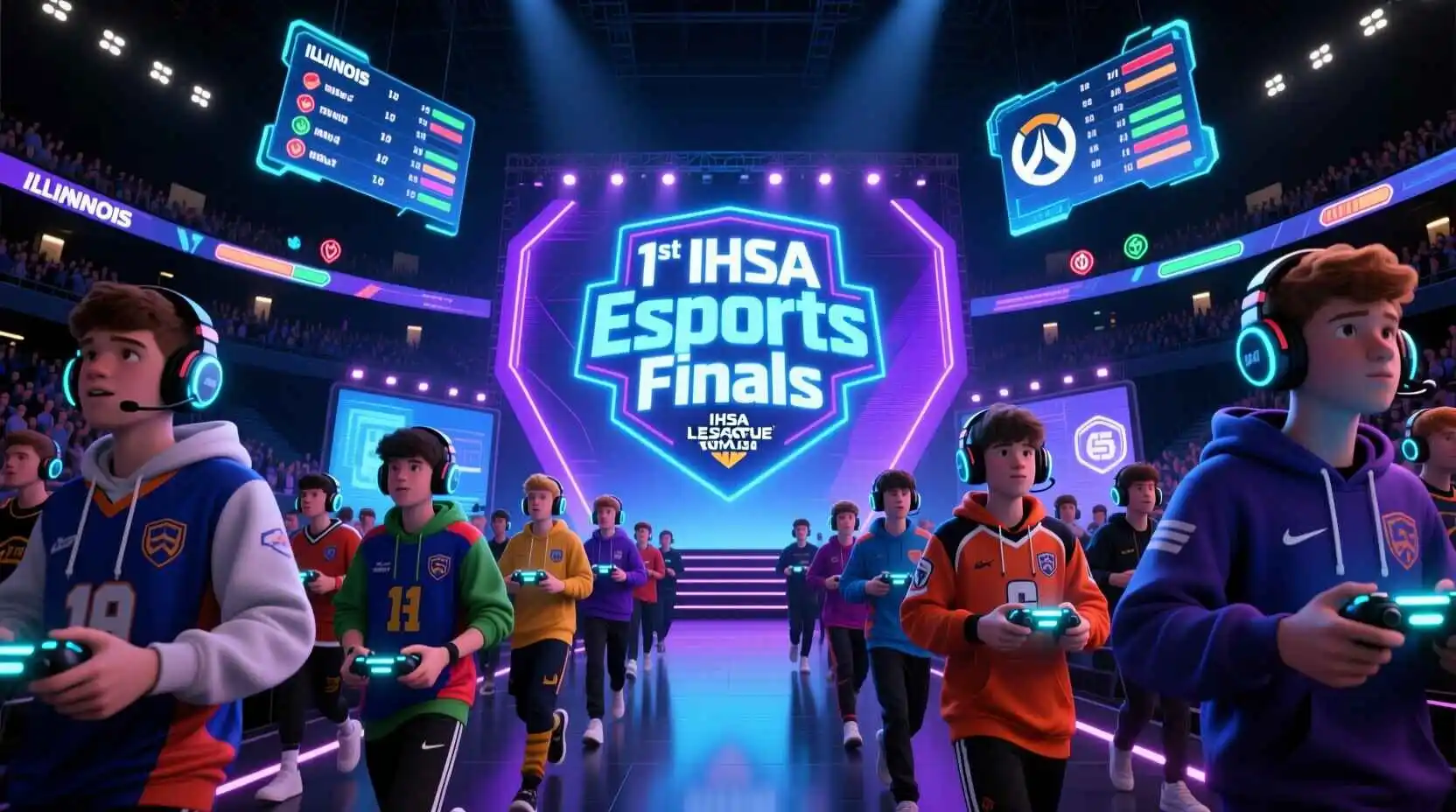
The first IHSA esports state finals represent more than just a milestone for high school gaming—it is a defining moment in the evolution of Illinois’ competitive gaming culture. As one of the leading high school athletic organizations in the state, the Illinois High School Association has long been recognized for its role in shaping traditional sports programs. However, with the official recognition of esports as a state-sanctioned activity, the IHSA is now at the forefront of a new and rapidly growing sports movement—one that is redefining how students engage with competitive gaming. This shift reflects the broader cultural transformation occurring across the United States, where esports are increasingly being embraced as a legitimate and valuable extracurricular pursuit for high school students.
The significance of these championships lies in their ability to bring esports into the mainstream academic sports world. For years, gaming communities have existed in parallel with the traditional sporting landscape, with high school and college teams participating in informal and club-based tournaments. However, with the IHSA now organizing an official state final, it signals to students, parents, and educators alike that esports are a serious and structured activity with real-world implications. Just as traditional sports have provided opportunities for students to develop discipline, teamwork, and leadership, esports offer a similar framework, albeit in a digital environment. The recognition of this tournament formalizes what many young gamers have long known: that competitive gaming is a skill worth developing and deserves the same level of respect and institutional backing as any other school-sponsored activity.
Moreover, the IHSA’s move to establish an esports state finals is a reflection of the growing influence of technology in education and extracurricular life. As schools increasingly integrate digital literacy and technological skills into their curricula, esports provide a unique and engaging way for students to apply these competencies in a competitive setting. For many students, especially those with a strong passion for gaming, this championship represents an opportunity to pursue their interests in a structured and supportive environment. “This is more than just a game,” explained a senior from a Chicago-based high school. “It’s about showing that what we love doing can also be a meaningful part of our school experience. It’s proof that the IHSA sees gaming as more than just a hobby—it’s a true sport now.”
The broader cultural implications of this event also extend to the potential it holds for future generations of Illinois gamers. By hosting the first state championship, the IHSA is laying the groundwork for the continued growth of esports in the state. Schools that previously had limited or no formal gaming programs may now see the value in establishing structured esports teams and training programs. Meanwhile, students who are interested in gaming but have not had the opportunity to participate in competitive environments now have a clear path forward. The recognition of esports at the state level has the potential to inspire more schools to formalize their gaming clubs, create new tournament opportunities, and integrate esports into their athletic programs.

This culture shift is not limited to Illinois; it is part of a nationwide movement that is redefining how students engage with competitive gaming. Similar state-level esports tournaments are being organized across the country, and national colleges and universities are increasingly offering esports scholarships and recognition programs. The IHSA’s decision to launch its first state final aligns with this growing trend, positioning Illinois as a leader in the integration of esports into the academic sports landscape. “This is the first step, but it’s a big step,” said an IHSA administrator. “If this tournament is successful, it will open the door for more state-level competitions, more school programs, and ultimately, more recognition for the skills and dedication of student gamers.”
As the 126 Illinois gamers prepare to compete in the first IHSA esports state finals, they are not just participating in a tournament—they are part of a larger cultural and historical shift that is redefining how Illinois and the rest of the nation view the role of gaming in education and competitive athletics. The success of this event could catalyze future developments in high school esports, ensuring that gaming is no longer an outsider in the world of school-sponsored activities but rather a fully integrated and respected component of the educational experience.
The Ecosystem of Support: Programs, Parents, and Communities
The success of the first IHSA esports state finals would not have been possible without the unwavering support from a robust ecosystem of backing programs, parents, and local gaming communities. These interconnected elements have played a crucial role in nurturing the 126 Illinois gamers’ journey, ensuring that they have the resources, encouragement, and opportunities needed to reach the state finals.
At the core of this ecosystem are the school-sponsored gaming programs that have been established across Illinois. Many of the competing schools have dedicated esports teams and coaches who guide students in their preparation for high-level competition. These programs not only provide structured training and access to gaming equipment but also teach students the soft skills necessary for success in both academics and extracurricular pursuits. For example, schools like Champaign-Savoy High School and Loyola Academy have invested in comprehensive gaming facilities and hired experienced coaches to support their teams. These programs often take inspiration from traditional sports organizations, creating a sense of structure and accountability that mirrors the expectations of their athletic counterparts. “Our school program is the reason I even got into competitive gaming,” said a freshman from a suburban Chicago school. “Before I joined the team, I never thought I had the discipline or the chance to compete at this level. Our coach helped me improve my game and gave me the confidence to believe I could make it to the state finals.”
Parents, too, have been instrumental in supporting their children’s participation in high school esports. While esports might not initially meet the same level of societal recognition as traditional sports, many parents have embraced their children’s passions, offering both emotional and financial support to ensure they can dedicate themselves to the craft. This support often extends beyond the home, with some parents advocating for their children’s involvement in gaming programs at the school level. “It’s been a learning curve for us as a parent,” shared the mother of a junior on one of the state finalists. “At first, I thought of gaming as just a hobby, but as I saw how much it meant to my son and how much he was growing from it, I realized it was something valuable. We’ve invested in better equipment for him and even taken some time off work to support the family during major tournaments.”
Local gaming communities and organizations have also been pivotal in fostering a competitive environment that allows students to thrive. Gaming cafes, esports tournaments, and online forums have provided students with platforms to showcase their talents, network with fellow competitors, and refine their skills. Many schools have collaborated with these local entities to host practice matches, workshops, and mentorship programs that help students prepare for high-level competition. For instance, a community-based initiative in Springfield, Illinois, has partnered with several schools to organize weekend gaming events that encourage collaboration and friendly competition among students from different regions. “These local events have been huge for us,” said a captain from a team competing in the DotA 2 division. “They give us a chance to test our strategies against other teams and build connections with players who can help us grow. It’s not just about winning—it’s about being part of a community that shares the same passion.”
To illustrate the breadth of these support systems, consider the following table, which highlights examples of programs, communities, and parental involvement that have contributed to the success of the 126 Illinois gamers:
| Support Element | Examples and Impact |
| School Programs | – Champaign-Savoy High School: Provides dedicated gaming facilities and coaching |
| – Loyola Academy: Offers structured team training and community engagement opportunities | |
| Parental Support | – Financial investment in gaming equipment and training sessions |
| – Advocacy for institutional support for gaming programs | |
| Local Gaming Communities | – Springfield Gaming Café: Hosts weekend tournaments and mentorship programs |
| – Chicago-based online esports forum: Facilitates networking and strategy sharing |
These examples demonstrate the multifaceted nature of the ecosystem that has supported the students’ journey to the state finals. Each component—whether institutional, familial, or community-based—has played a role in ensuring that these young gamers have the tools and encouragement they need to succeed. More importantly, this ecosystem has helped to normalize esports as a legitimate high school activity, opening the door to future generations of students who may see gaming as a viable and rewarding extracurricular pursuit.
As the 126 Illinois gamers take the stage in the first IHSA esports state finals, they will not only be representing their schools but also the entire network of support that has empowered them to reach this milestone.
Disclaimer: The content on this blog is for informational purposes only. The author’s opinions are personal and not endorsed. Efforts are made to provide accurate information, but completeness, accuracy, or reliability are not guaranteed. The author is not liable for any loss or damage resulting from the use of this blog. It is recommended to use the information on this blog at your own discretion.
