
Table of Contents
Understanding IBS: Causes, Symptoms, and Treatment Options
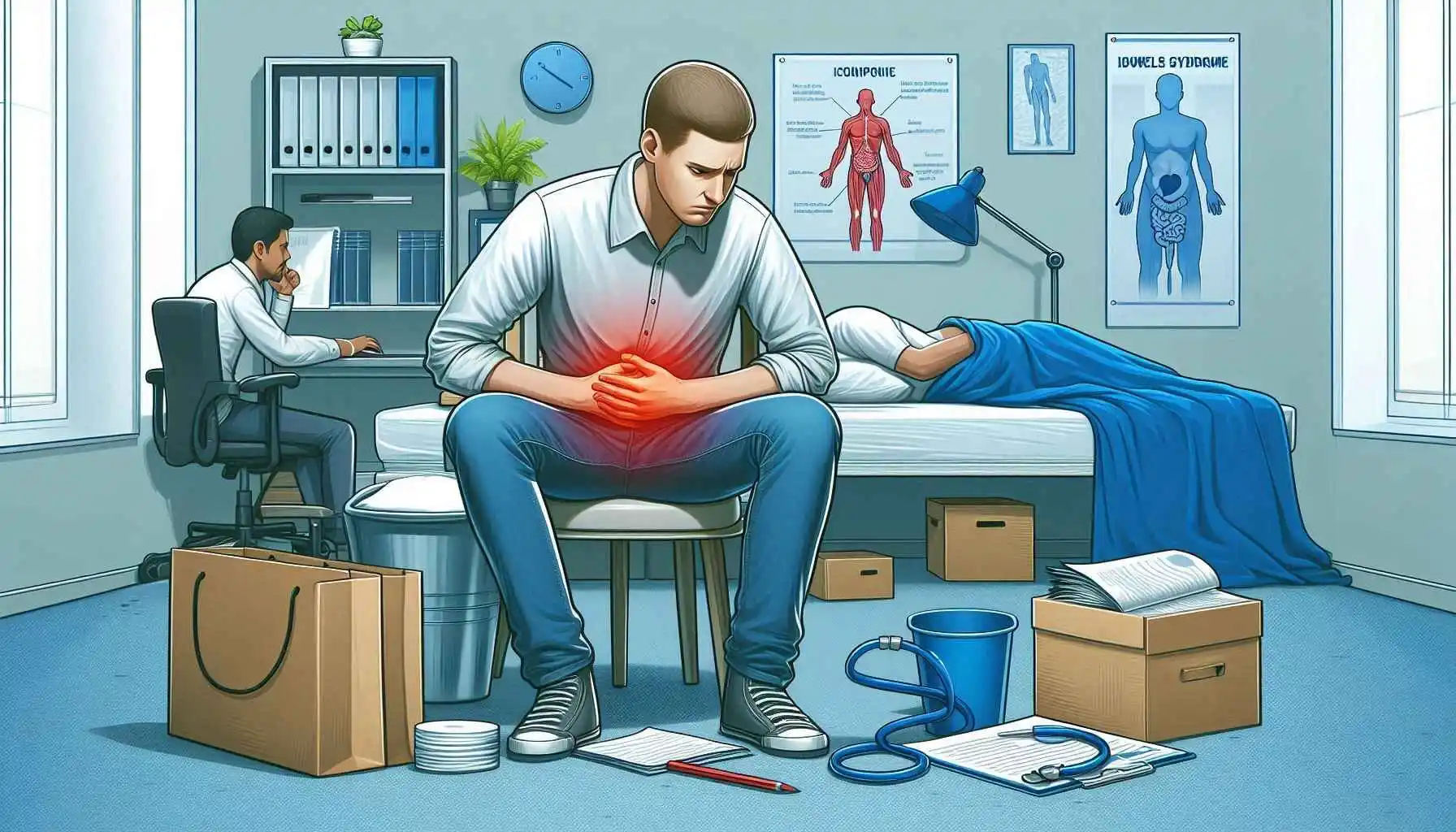
Living with Irritable Bowel Syndrome (IBS) is often misunderstood. To those on the outside, it might seem like just an occasional upset stomach. However, we know that for the millions affected worldwide, IBS is a chronic, often debilitating condition that impacts far more than just the digestive system. It’s a complex disorder characterized by abdominal pain or discomfort and changes in bowel habits, but its effects ripple outwards, touching almost every aspect of our daily lives. Today, we want to delve into the significant and often underestimated impact that IBS has on individuals and, by extension, on society as a whole.
While not a life-threatening illness in the way some chronic diseases are, IBS significantly diminishes the quality of life for those who live with it. We’re talking about a functional gastrointestinal disorder, meaning there’s a problem with how the gut works, rather than structural damage. This lack of visible abnormality can sometimes make it harder for others to grasp the severity of symptoms we experience.
The physical symptoms themselves are relentless and unpredictable. We commonly experience:
- Abdominal pain or cramping: Often relieved by a bowel movement.
- Bloating and distension: Making us feel uncomfortable, self-conscious, and sometimes in pain.
- Changes in bowel habits: This can manifest as diarrhea (IBS-D), constipation (IBS-C), or alternating patterns (IBS-M or IBS-A).
- Mucus in the stool: Another common, though often alarming, symptom.
- Feeling of incomplete evacuation: The uncomfortable sense that we haven’t fully emptied our bowels.
- Increased gas: Leading to embarrassment and discomfort.
These symptoms aren’t just minor annoyances; they are disruptive and can vary in intensity from day to day. The unpredictability is one of the most challenging aspects. We might feel fine one morning and be doubled over in pain or urgently searching for a restroom the next. This constant uncertainty forces us to plan our lives around our bowel, which is exhausting both physically and mentally.

Beyond the immediate physical discomfort, the impact expands into numerous other areas:
The Psychological and Emotional Toll
Perhaps one of the most profound impacts of IBS is on our mental health. There is a strong connection between the gut and the brain, often referred to as the “gut-brain axis.” Stress and anxiety can worsen IBS symptoms, and conversely, living with the chronic, unpredictable symptoms of IBS significantly increases the risk of developing anxiety and depression. We often find ourselves in a vicious cycle where worrying about symptoms triggers symptoms, leading to more worry.
The constant pain and unpredictable urgency can make us hesitant to leave our homes, leading to feelings of isolation. We might feel frustrated by the lack of control over our own bodies. Explaining the invisible symptoms to friends, family, or employers can be difficult, leading to feelings of being misunderstood or not taken seriously. This emotional burden is heavy and can lead to significant distress and a reduced sense of well-being.
“The pain is real, the anxiety is real, and the planning required to navigate daily life is utterly exhausting. It’s not ‘all in your head,’ but it certainly takes a toll on it.” – A common sentiment among those living with IBS.
Impact on Social Life and Relationships
Our social lives often take a hit when we live with IBS. Simple activities that others take for granted, like going out for dinner, attending parties, traveling, or even just visiting friends, become complicated logistical challenges. We worry about:
- What food will be served and if it will trigger symptoms.
- The availability and proximity of clean restrooms.
- Having an urgent flare-up in an inconvenient or embarrassing situation.
- Feeling bloated or uncomfortable and not wanting to be seen.
This fear and anxiety can lead us to decline invitations, withdraw from social situations, and feel increasingly isolated. Explaining cancellations or sudden needs to leave can be awkward, sometimes leading to strained relationships if friends or family don’t fully understand the severity of the condition. It requires immense patience and understanding from our loved ones, and it can sometimes put a strain on even the strongest relationships.
Professional and Academic Performance
IBS symptoms can significantly affect our ability to perform well in school or work. Chronic pain and fatigue make concentration difficult. The need for frequent or urgent bathroom breaks can disrupt workflow, meetings, or classes. Stress related to work or school can also trigger symptoms, creating a difficult cycle.
We might miss days of work or school due to severe flare-ups. Even when present, productivity can be reduced due to discomfort, pain, or anxiety. Explaining the condition to employers or professors can be daunting, and while accommodations should ideally be made, navigating these conversations adds another layer of stress. This can impact career progression, academic achievement, and financial security.
Financial Implications
While IBS isn’t typically associated with the high costs of conditions requiring hospitalization or complex surgeries, it still carries a significant financial burden for affected individuals and healthcare systems. Costs accrue from:
- Frequent doctor visits and consultations.
- Diagnostic tests (to rule out other conditions).
- Prescription and over-the-counter medications for symptom relief.
- Dietary supplements or specialty foods (like low-FODMAP items).
- Alternative therapies (like acupuncture or hypnotherapy).
- Lost income due to missed workdays or reduced productivity.
These individual costs, while perhaps seeming small individually, add up over time and represent a real financial strain for many of us living with the condition.
A Multifaceted Burden
To truly understand the impact of IBS, we need to look at how these different areas intersect and exacerbate one another. Physical discomfort fuels anxiety, which worsens symptoms, leading to missed social events, which increases isolation and depression, which further impacts physical health. It’s a complex web.
We can summarize the main areas of impact in a table:
| Area of Impact | Examples of Effect |
| Physical Health | Chronic pain, bloating, unpredictable bowel habits, fatigue, discomfort. |
| Mental Health | Increased risk of anxiety, depression, frustration, stress, social withdrawal. |
| Social Life | Avoiding events, embarrassment, difficulty eating out, isolation. |
| Professional/Acad. | Missed work/school days, reduced productivity, difficulty concentrating, explaining condition. |
| Financial | Healthcare costs, medication expenses, dietary needs, potential loss of income. |
| Relationships | Strain on partners/family due to unpredictability and need for understanding. |
| Quality of Life | Overall reduction in enjoyment, spontaneity, and sense of control. |
Living with IBS: Seeking Management and Support
Despite the significant impact, we want to emphasize that living with IBS is not without hope. While there is no single cure, effective management strategies can significantly alleviate symptoms and improve quality of life. Diagnosis is the first crucial step, followed by a personalized management plan developed with healthcare professionals.
Management often involves a combination of approaches:
- Dietary Modifications: Identifying trigger foods (often through elimination diets like the low-FODMAP diet) and adjusting eating patterns.
- Stress Management Techniques: Practices like mindfulness, meditation, yoga, or cognitive behavioral therapy (CBT) to address the gut-brain connection.
- Medications: Prescription or over-the-counter drugs to target specific symptoms like constipation, diarrhea, or pain.
- Lifestyle Adjustments: Regular exercise, adequate sleep, and consistent meal times.
- Building a Support System: Connecting with understanding friends, family, or support groups.
We know that managing IBS is an ongoing journey, often involving trial and error to find what works best. Advocacy and raising awareness are also crucial. The more people understand the true impact of IBS, the less stigma will surround it, and the more support and empathy will be extended to those living with its challenges.
In conclusion, Irritable Bowel Syndrome is far more than just a tummy ache. Its impact reaches into the physical, emotional, social, professional, and financial realms of life. It demands resilience, patience, and a proactive approach to management. By acknowledging and understanding the multifaceted impact of IBS, we can foster greater empathy, improve support systems, and empower those living with the condition to navigate its challenges and strive for a better quality of life. It’s a journey we are on, and with understanding and effective strategies, we can learn to manage its impact and live life more fully.
FAQs:
Q1: What is FODMAP?
A1: FODMAP stands for Fermentable Oligo-, Di-, Mono-saccharides, and Polyols. These are types of carbohydrates that can be poorly absorbed by some individuals, particularly those with Irritable Bowel Syndrome (IBS).
Q2: What is the role of FODMAP in IBS?
A2: In IBS, FODMAPs can exacerbate symptoms such as bloating, abdominal pain, gas, and changes in bowel movements. A low FODMAP diet has been shown to be effective in managing IBS symptoms in many individuals.
Q3: What are the types of FODMAPs?
A3: There are five categories of FODMAPs: * Fructose (found in fruits, honey, and some vegetables) * Lactose (found in milk and other dairy products) * Fructans (found in wheat, barley, rye, and some vegetables) * Galactans (found in legumes, such as beans and soybeans) * Polyols (found in stone fruits, such as cherries and plums, and in some sugar substitutes)
Q4: How is FODMAP introduced in IBS management?
A4: The introduction of FODMAPs in IBS management typically involves a three-phase process: 1. Elimination phase: Remove all high FODMAP foods from the diet for 2-6 weeks to assess symptom improvement. 2. Reintroduction phase: Gradually reintroduce individual FODMAP categories, one at a time, to assess tolerance. 3. Personalized phase: Based on tolerance, create a personalized diet that limits or avoids problematic FODMAPs.
Q5: What is the goal of the FODMAP reintroduction phase?
A5: The goal of the reintroduction phase is to identify which specific FODMAPs trigger symptoms in an individual. This helps to create a tailored diet that minimizes symptoms while allowing for the reintroduction of tolerated FODMAP-containing foods.
Q6: How long does the FODMAP reintroduction phase take?
A6: The reintroduction phase typically takes 6-8 weeks, with each FODMAP category introduced for 1-2 weeks. However, this may vary depending on individual tolerance and symptom response.
Q7: What are some examples of high FODMAP foods?
A7: Examples of high FODMAP foods include: * Wheat bread and pasta (fructans) * Beans and legumes (galactans) * Onions, garlic, and wheat (fructans) * Apples, pears, and watermelon (fructose) * Dairy products, such as milk and ice cream (lactose)
Q8: Can I follow a low FODMAP diet without consulting a healthcare professional?
A8: While it is possible to follow a low FODMAP diet without consulting a healthcare professional, it is recommended to work with a registered dietitian or a healthcare provider to ensure proper guidance and to rule out underlying conditions that may be contributing to symptoms.
Q9: Is a low FODMAP diet a long-term solution?
A9: A low FODMAP diet is not intended to be a long-term solution. The goal is to identify and manage problematic FODMAPs, and then reintroduce tolerated foods to maintain a balanced and varied diet.
Q10: Can FODMAP management help with other digestive conditions besides IBS?
A10: While FODMAP management was initially developed for IBS, research suggests that it may also be beneficial for other digestive conditions, such as small intestine bacterial overgrowth (SIBO), inflammatory bowel disease (IBD), and functional dyspepsia. However, more research is needed to confirm its effectiveness for these conditions.
The FODMAP Diet: Introduction and Foods to Avoid
The FODMAP diet involves three phases: elimination, reintroduction, and personalized diet. The first phase involves eliminating high FODMAP foods from the diet for a period of 2-6 weeks.
High FODMAP Foods to Avoid
| Food Category | High FODMAP Foods |
| Fruits | Apples, Apricots, Cherries, Mangoes, Pears, Watermelon |
| Vegetables | Artichokes, Asparagus, Beans, Cabbage, Garlic, Onions, Peas |
| Grains | Wheat, Rye, Barley |
| Dairy Products | Milk, Yogurt, Soft Cheeses |
| Legumes | Lentils, Chickpeas, Kidney Beans |
| Sweeteners | Honey, Fructose, Sorbitol |
Reintroduction Phase: A Step-by-Step Guide
After the elimination phase, it’s time to reintroduce FODMAPs one by one to identify which ones trigger symptoms. This phase is crucial in determining which FODMAPs are tolerated and which ones need to be avoided.
Reintroduction Phase Table
| Phase | FODMAP Group | Food | Amount | Duration |
| 1 | Fructose | Apple Juice | 1/2 cup | 2 days |
| 1 | Fructose | Apple | 1 medium | 2 days |
| 2 | Lactose | Milk | 1 cup | 2 days |
| 2 | Lactose | Yogurt | 1 cup | 2 days |
| 3 | Fructans | Wheat Bread | 1 slice | 2 days |
| 3 | Fructans | Onion | 1/4 cup | 2 days |
| 4 | Galactans | Lentils | 1/2 cup | 2 days |
| 4 | Galactans | Chickpeas | 1/2 cup | 2 days |
| 5 | Polyols | Sorbitol | 1/4 teaspoon | 2 days |
| 5 | Polyols | Stone Fruits (e.g. Cherries) | 1/2 cup | 2 days |
How to Reintroduce FODMAPs
- Start with Fructose (Phase 1): Begin by reintroducing fructose-containing foods, such as apple juice and apples.
- Monitor Symptoms: Keep track of any symptoms that occur during the reintroduction phase.
- Move to Next Phase: If symptoms occur, stop the reintroduction process and wait until symptoms resolve before moving to the next phase.
- Continue Reintroduction: Continue reintroducing FODMAP groups one by one, following the table above.
- Personalize Your Diet: Based on the results of the reintroduction phase, create a personalized diet that avoids or limits FODMAPs that trigger symptoms.
Comparative Overview of Natural Remedies and Lifestyle Changes
|
Remedy/Change |
Description |
Scientific Support |
|
Low FODMAP Diet |
Reduces fermentable carbs; swaps wheat, dairy, legumes for safer |
74% improvement in symptoms (Gut, 2017) |
|
Probiotics |
Admin replenish gut bacteria; strains like B. infantis are effective |
Meta-analysis shows reduced bloating and discomfort (AJCN, 2010) |
|
Peppermint Oil |
Capsules relieve cramping and gas; works as an antispasmodic |
Comparable to prescriptions (Phytotherapy Research, 2018) |
|
Stress Management |
Mind, meditation, deep breathing breathing to activate parasympathetic nervous system |
60-70% reduction in symptoms (JPR, 2017) |
|
Exercise |
Walks, yoga, or light workouts to boost intestinal motility |
Improved motility and stress reduction |
When to Seek Professional Help
While natural approaches are effective, consult a healthcare provider if symptoms worsen, blood appears in stool, or weight loss occurs. A gastroenterologist can rule out conditions like celiac disease or Crohn’s disease that mimic IBS.
Lifestyle Changes to Complement Natural Remedies
Stress Management
The Gut-Brain Connection
Stress hormones like cortisol can wreak havoc on digestion. Techniques like mindfulness, yoga, and deep breathing breathing signal the nervous parasympathetic nervousrest and digest”) nervous system.
- Try: A daily 10-minute meditation session using apps like Headspace or Calm.
- Evidence: Research from the Journal of Psychosomatic Research (2017) shows mindfulness reduces symptom severity in 60-70% of IBS patients.
Regular Physical Activity
Movement as Medicine
Exercise stimulates intestinal motility and reduces stress. Aim for 30 minutes of moderate activity like walking or yoga 4-5 times a week.
Quote: “Your gut is a muscle—it responds well to consistent movement,” says Dr. Hartley.
Hydration and Sleepful Eating
Drink plenty of water to prevent constipation. Eat slowly, avoiding overeating, which can trigger cramping. Chew food thoroughly to aid digestion.
Conclusion
Irritable Bowel Syndrome is a complex and multifaceted condition that affects millions of people worldwide. While the exact causes of IBS are still not fully understood, we know that it’s influenced by a combination of factors, including abnormal gut motility, hypersensitivity, inflammation, stress, and diet. By understanding the causes, symptoms, and treatment options for IBS, we can take the first steps towards managing this condition and improving our overall health and wellbeing. “Small changes can lead to big improvements. Every step toward a healthier gut is worth it,” says IBS advocate and advocateist Mark Thompson, who shares his 5-year symptom-free journey through plant-based eating and mindfulness. Take charge of your digestive health today—your a comfortable, active life is within reach.
Medical Disclaimer:
The information provided on this website is for general educational and informational purposes only and is not intended as a substitute for professional medical advice, diagnosis, or treatment. Always seek the advice of your physician or other qualified health provider with any questions you may have regarding a medical condition. Never disregard professional medical advice or delay in seeking it because of something you have read on this website.
