
Table of Contents
Gut Cancer Diagnosis and Treatment: What Every one Should Know
Gut cancer, a term often used to describe cancers that occur in the digestive system, is a significant health concern worldwide. It encompasses a range of cancers that affect different parts of the gastrointestinal tract, from the esophagus to the colon and rectum. In this article, we will explore what gut cancer is, its various types, the potential causes, and the treatment options available. Our goal is to provide a comprehensive understanding of this complex condition, helping readers make informed decisions about their health.
What is Gut Cancer?
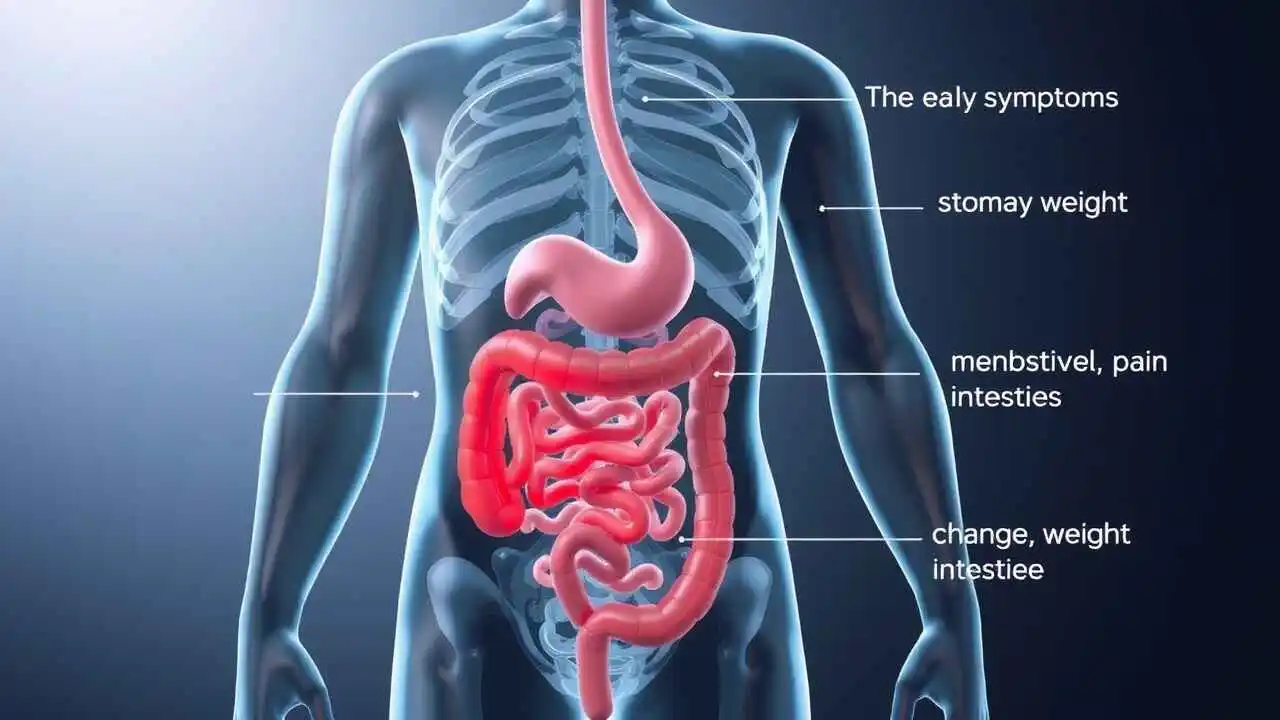
Gut cancer refers to any cancer that originates in the digestive system, which includes the esophagus, stomach, small intestine, colon, rectum, and anus. These cancers can vary widely in terms of their symptoms, treatment options, and prognosis. The most common types of gut cancer are colorectal cancer, gastric (stomach) cancer, and esophageal cancer.
Types of Gut Cancer
Gut cancer is not a single disease but rather a collection of cancers that affect different parts of the digestive system. Below are the most common types of gut cancer:

- Colorectal Cancer
- Location: Colon or rectum.
- Description: Colorectal cancer is one of the most common types of gut cancer. It begins in the lining of the colon or rectum and can develop from small, non-cancerous growths called polyps.
- Symptoms: Changes in bowel movements (e.g., diarrhea or constipation), blood in the stool, fatigue, and unexplained weight loss.
- Gastric (Stomach) Cancer
- Location: Stomach.
- Description: Gastric cancer, or stomach cancer, develops in the lining of the stomach. It is more common in certain parts of the world, such as East Asia.
- Symptoms: Indigestion, abdominal pain, nausea, vomiting, and difficulty swallowing.
- Esophageal Cancer
- Location: Esophagus.
- Description: Esophageal cancer occurs in the esophagus, the tube that carries food from the mouth to the stomach. There are two main types: squamous cell carcinoma and adenocarcinoma.
- Symptoms: Difficulty swallowing (dysphagia), chest pain, hoarseness, and unintended weight loss.
- Small Intestine Cancer
- Location: Small intestine.
- Description: Small intestine cancer is rare and often starts in the lining of the small intestine. It can be a type of carcinoma or sarcoma.
- Symptoms: Abdominal pain, unexplained weight loss, nausea, and changes in bowel habits.
- Anal Cancer
- Location: Anus.
- Description: Anal cancer is a rare type of gut cancer that develops in the anus, the end of the digestive tract.
- Symptoms: Rectal bleeding, pain or pressure in the anus, and abnormal bowel movements.
Understanding the specific type of gut cancer is crucial for determining the best course of treatment and management.
Causes of Gut Cancer
Gut cancer is caused by uncontrolled cell growth in the digestive system, which can be triggered by a variety of genetic, environmental, and lifestyle factors. While the exact cause of gut cancer is often unknown, certain risk factors can increase the likelihood of developing the disease. Below are some of the most common causes and risk factors:
- Genetics
- Some people are born with genetic mutations that predispose them to gut cancer. For example, conditions like familial adenomatous polyposis (FAP) and Lynch syndrome significantly increase the risk of colorectal cancer.
- Age
- The risk of gut cancer increases with age. Most cases of colorectal, gastric, and esophageal cancers are diagnosed in people over the age of 50.
- Obesity
- Obesity is a known risk factor for several types of gut cancer, including colorectal and esophageal cancer.
- Tobacco and Alcohol Use
- Smoking and excessive alcohol consumption are linked to an increased risk of several cancers, including those in the digestive system.
- Diet
- A diet high in processed meats, red meats, and low in fruits and vegetables can increase the risk of gut cancer.
- Chronic Inflammation
- Conditions like Crohn’s disease, ulcerative colitis, and chronic gastritis can increase the risk of developing gut cancer over time.
- Infections
- Certain infections, such as Helicobacter pylori (H. pylori), are associated with an increased risk of stomach cancer.
While some risk factors cannot be controlled (e.g., age or genetics), others can be managed through lifestyle changes and regular medical screenings.
Treatments for Gut Cancer
The treatment of gut cancer depends on the type, stage, and location of the cancer, as well as the overall health of the patient. Early detection is critical, as it allows for more effective treatment options and improves the chances of a successful outcome. Below are some of the most common treatment approaches:
- Surgery
- Surgery is often the primary treatment for gut cancer. The goal of surgery is to remove the cancerous cells and affected tissues. In some cases, nearby lymph nodes may also be removed to ensure all cancer cells are eliminated.
- Chemotherapy
- Chemotherapy involves the use of medications to kill cancer cells. It can be used before surgery (neoadjuvant therapy) to shrink tumors or after surgery (adjuvant therapy) to eliminate any remaining cancer cells.
- Radiation Therapy
- Radiation therapy uses high-energy rays to kill cancer cells. It is often used in combination with chemotherapy, especially for cancers that are difficult to remove surgically.
- Targeted Therapy
- Targeted therapies are medications that specifically target cancer cells or the environment around them. They are often used to treat advanced stages of gut cancer.
- Immunotherapy
- Immunotherapy works by boosting the body’s immune system to fight cancer. It is a newer treatment option and is being used to treat certain types of gut cancer.
- Palliative Care
- For patients with advanced gut cancer, palliative care focuses on improving quality of life by managing pain, nausea, and other symptoms.
Emerging Treatments
Research is constantly evolving, and new treatments for gut cancer are being developed. Some promising areas of research include:
- Personalized Medicine: Tailoring treatment to the specific genetic makeup of the cancer.
- Stem Cell Therapy: Exploring the use of stem cells to repair damaged tissues after cancer treatment.
- Gene Therapy: Modifying genes to enhance the body’s ability to fight cancer.
By staying informed about the latest advancements in gut cancer research, patients can discuss potential treatment options with their healthcare providers.
Preventing Gut Cancer
While not all cases of gut cancer can be prevented, there are steps you can take to reduce your risk:
- Maintain a Healthy Diet
- Eat a diet rich in fruits, vegetables, and whole grains, and limit your intake of processed and red meats.
- Exercise Regularly
- Regular physical activity can help maintain a healthy weight and reduce the risk of several cancers.
- Don’t Smoke
- Quitting smoking can significantly reduce your risk of developing gut cancer and other cancers.
- Limit Alcohol Consumption
- Excessive alcohol use is linked to an increased risk of gut cancer. Limit your alcohol intake or avoid it altogether.
- Manage Chronic Conditions
- If you have a chronic condition, such as Crohn’s disease or H. pylori infection, work with your healthcare provider to manage it effectively.
- Get Screened
- Regular cancer screenings, such as colonoscopies for colorectal cancer, can detect cancer early when it is most treatable.
As the renowned physician Dr. Siddhartha Mukherjee once said:
“The art of medicine involves stitching together the fragments of our knowledge with the threads of our empathy and understanding.”
This quote reminds us that fighting gut cancer—and any cancer—is not just about medical treatments but also about compassion, care, and a commitment to improving the lives of those affected.
Healing from Within: Natural Remedies and Lifestyle Modifications to Support Gut Cancer Treatment
A diagnosis of gastrointestinal (gut) cancer is a profound life shift. Whether you or a loved one are facing colorectal, stomach, or another form of digestive tract cancer, the physical and emotional toll is immense. Treatments such as chemotherapy, radiation therapy, and surgery are medically necessary to eradicate the disease, but they take a heavy toll on the very system they are trying to save: the digestive tract.
Nausea, severe fatigue, mucositis (painful sores in the mouth and gut), diarrhea, constipation, and a complete loss of appetite are common, debilitating side effects.
This is where Integrative Oncology comes into play. Integrative oncology does not replace conventional medicine; it supports it. It combines the best of modern Western medicine with evidence-based natural therapies, lifestyle modifications, and nutritional support. The goal is simple: to reduce treatment side effects, protect the healthy cells, improve your quality of life, and help your body withstand the grueling journey ahead.
- Nutritional Strategies: Feeding the Body Under Stress
During gut cancer treatment, your digestive system is compromised. Foods that were once staples may suddenly cause intense discomfort. The goal shifts from eating for pleasure to eating for cellular repair and energy.
- The Power of Bone Broth: When you cannot tolerate solid foods, bone broth is a literal lifesaver. Slow-simmered bone broth is packed with bioavailable amino acids (like glycine and proline), collagen, and minerals. These compounds help repair the mucosal lining of the stomach and intestines, which is often severely damaged by chemotherapy and radiation.
- Easy-to-Digest Proteins: The body desperately needs protein to rebuild tissue and maintain immune function, but meat can be hard to digest. Opt for easily assimilated proteins like wild-caught fish, organic eggs, and high-quality whey or plant-based protein powders blended into smoothies.
- Cooked, Not Raw: Raw vegetables are incredibly healthy for a robust gut, but during treatment, they are too difficult to break down. Steam, roast, or puree your vegetables (like carrots, sweet potatoes, and zucchini) to break down the fibrous cell walls before they reach your digestive tract.
- Small, Frequent Meals: Instead of three large meals, aim for 5 to 6 small meals or snacks every two to three hours. This prevents the stomach from becoming too full, which triggers nausea, and keeps a steady stream of nutrients entering your bloodstream.
- Targeted Natural Remedies for Symptom Management
Always clear these with your oncologist, as some herbs can interact negatively with chemo drugs.
- Ginger (Zingiber officinale): Ginger is the gold standard for managing chemotherapy-induced nausea (CIN). Clinical trials have consistently shown that taking ginger (in tea, capsule, or candied form) significantly reduces the severity of nausea.
- Slippery Elm and Marshmallow Root: These are known in herbal medicine as “demulcents.” When mixed with water, they form a soothing, gel-like substance that coats the lining of the esophagus, stomach, and intestines. This provides immense relief for radiation-induced esophagitis, stomach ulcers, and general gastrointestinal burning.
- Peppermint: Peppermint tea or enteric-coated peppermint oil capsules can be highly effective for relieving gas, bloating, and intestinal cramping (spasms) that often accompany bowel surgeries or chemotherapy.
- L-Glutamine: This is an amino acid that serves as the primary fuel source for the cells lining your intestines (enterocytes). Some integrative oncologists recommend L-Glutamine powder mixed in water to help repair “leaky gut” and reduce the severity of chemotherapy-induced diarrhea.
- Turmeric (Curcumin): Curcumin is a potent anti-inflammatory. Chronic inflammation fuels cancer growth and causes treatment pain. However, high doses of curcumin act as a mild blood thinner and can interfere with certain chemotherapy drugs. Never take curcumin without your oncologist’s explicit approval.
- Navigating the Fiber Dilemma
Fiber is usually the hero of gut health. However, during active treatment—especially if you have had bowel surgery, are experiencing bowel obstructions, or have severe diarrhea from radiation—a high-fiber diet can be dangerous.
- During Acute Treatment: You may need to adopt a “low-residue” diet (low in insoluble fiber). This means avoiding raw greens, whole grains, nuts, seeds, and fruit skins.
- Post-Treatment: Once your gut has healed, fiber becomes your greatest ally in preventing a recurrence. Slowly reintroduce soluble fiber (oats, flaxseed, chia seeds) which acts like a sponge to bind toxins and move waste through the colon. Eventually, transition back to a high-fiber, predominantly plant-based diet, which is scientifically proven to lower the risk of colorectal cancer recurrence.
- Rebuilding the Microbiome
The gut microbiome (the trillions of bacteria living in your digestive tract) is your immune system’s command center. Chemotherapy and antibiotics act like a nuclear bomb on this microbiome, wiping out the good bacteria alongside the bad.
- Probiotics: Replenishing healthy bacteria is vital, but immunocompromised patients must be careful. Live probiotics (like yogurt or kefir) carry a slight risk of infection if your white blood cell count is low. Your doctor may recommend a pharmaceutical-grade, tested probiotic strain (such as Saccharomyces boulardii, which is beneficial for preventing treatment-related diarrhea) instead of over-the-counter supplements.
- Prebiotics: Prebiotics are the fibers that feed good bacteria. Once your doctor clears you, slowly introduce prebiotic-rich foods like garlic, onions, asparagus, and green bananas to help the good bacteria recolonize your gut.
- Crucial Lifestyle Modifications
Stress and the Gut-Brain Axis The gut and the brain are physically connected by the vagus nerve. When you are diagnosed with cancer, your brain is in a constant state of “fight or flight,” flooding your body with cortisol. High cortisol shuts down the digestive system, worsening nausea and preventing nutrient absorption.
- The Fix: You must actively calm the nervous system. Just 10 minutes of deep diaphragmatic breathing (inhaling for 4 seconds, exhaling for 6 seconds) activates the parasympathetic nervous system (“rest and digest”). Gentle guided meditations, listening to calming music, or speaking with a cancer-specific therapist can profoundly impact your physical digestion.
Hydration Chemotherapy drugs are highly toxic and must be flushed out of your system via the kidneys and bowels. Dehydration makes treatment side effects ten times worse.
- The Fix: Aim for at least 2.5 to 3 liters of filtered water daily. If plain water causes nausea, infuse it with small slices of cucumber or a drop of lemon. If you have severe diarrhea, you must also replace lost electrolytes (sodium, potassium) using natural electrolyte powders or bone broth.
Gentle Movement “Motion is the lotion” for the digestive tract. Surgery and bed rest slow down the motility (movement) of your intestines, leading to crippling constipation or gas buildup.
- The Fix: Avoid strenuous workouts, as your body needs its energy to heal. Instead, engage in gentle, low-impact movement. A 15-minute slow walk around the block after meals is incredibly effective at stimulating peristalsis (the muscle contractions that move food through your digestive tract) and relieving gas.
Prioritizing Deep Sleep Cellular repair and immune function only happen during deep sleep. Cancer treatments disrupt circadian rhythms, making restful sleep difficult.
- The Fix: Create a sleep sanctuary. Keep the room pitch black, cool, and free of blue light from screens. Consider natural sleep aids like magnesium glycinate (with doctor’s approval), which relaxes the muscles and calms the nervous system, promoting deeper sleep without the grogginess of pharmaceutical sleep aids.
What to Absolutely Avoid
When exploring natural remedies, knowing what not to do is just as important as knowing what to do.
- High-Dose Antioxidant Supplements during Chemo: While antioxidants from food are great, taking massive doses of Vitamin C, Vitamin E, or Selenium in supplement form during chemotherapy can be dangerous. Chemotherapy works by creating oxidative stress (free radicals) to kill cancer cells. If you flood your body with high-dose antioxidants, you may inadvertently protect the cancer cells from the chemo. Save the high-dose supplements for after treatment is complete.
- Grapefruit and Grapefruit Juice: Grapefruit contains a compound that inhibits an enzyme in your liver (CYP3A4) responsible for metabolizing many chemotherapy drugs. Consuming it can cause toxic levels of chemo to build up in your bloodstream.
- Alcohol and Processed Meats: Alcohol irritates the gut lining and is a known carcinogen for colorectal cancer. Processed meats (bacon, deli meats, hot dogs) contain nitrates and compounds directly linked to gut cancer. Eliminate them entirely.
Conclusion
Navigating gut cancer treatment is like walking through a severe storm. You need the heavy armor of conventional medicine—surgery, chemotherapy, and radiation—to survive the storm. But natural remedies and lifestyle modifications are the structural support beams that keep your house standing while the storm rages outside.
By supporting your digestion with bone broth, calming your nervous system to reduce nausea, and carefully rebuilding your gut microbiome, you are not passively accepting the side effects of treatment. You are actively participating in your healing, giving your body the strongest possible foundation to fight the disease and emerge on the other side with a renewed sense of health and vitality
FAQS
https://youtu.be/CeHpyq3CJhg
