
Table of Contents
Health Benefits of Avocado Fruit
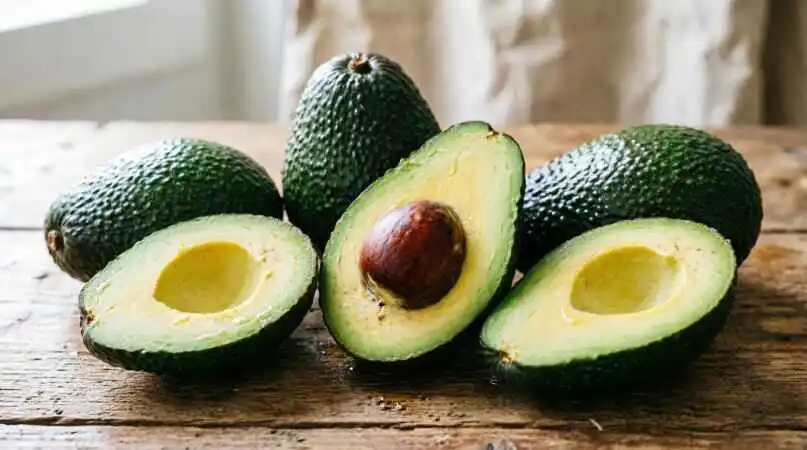
The avocado. Once a relatively obscure fruit, it has now cemented its place as a culinary and nutritional powerhouse. Its creamy texture and mild, slightly nutty flavor make it incredibly versatile, but its appeal goes far beyond the taste buds. Packed with nutrients and boasting a wealth of health benefits, the avocado deserves a prominent spot in your regular diet. Let’s dive into 20 compelling reasons to embrace this superfood, and explore the best ways to incorporate it into your everyday meals.
- Rich in Healthy Fats: Avocados are brimming with monounsaturated fats, the “good” fats that help lower bad cholesterol (LDL) and raise good cholesterol (HDL), promoting heart health.
- Nutrient Powerhouse: Don’t let the fat content fool you. Avocados are loaded with essential vitamins and minerals including Vitamin K, Vitamin C, Vitamin E, folate, potassium, and copper.
- Potassium Champion: With more potassium than a banana by weight, avocados help regulate blood pressure and maintain fluid balance.
- Antioxidant Abundance: Avocados are rich in antioxidants like lutein and zeaxanthin, which are crucial for protecting your eyes from age-related macular degeneration and cataracts.
- Supports Heart Health: Beyond healthy fats, avocados contain compounds that can help reduce inflammation and improve blood vessel function, contributing to a healthier cardiovascular system.
- Boosts Nutrient Absorption: The healthy fats in avocados can enhance the absorption of fat-soluble vitamins (A, D, E, and K) from other plant-based foods you eat alongside it.
- Promotes Satiety and Weight Management: The combination of healthy fats and fiber in avocados helps you feel fuller for longer, potentially aiding in weight management by reducing overall calorie intake.
- Excellent Source of Fiber: Avocados are packed with dietary fiber, which aids digestion, prevents constipation, and contributes to gut health.
- Supports Healthy Skin: The vitamins and healthy fats in avocados can nourish the skin from the inside out, contributing to a healthy complexion and potentially reducing signs of aging.
- May Reduce Risk of Certain Cancers: Some studies suggest that compounds in avocados may have anti-cancer properties, particularly against prostate, colon, and breast cancer. More research is needed in this area.
- Supports Healthy Pregnancy: Rich in folate, which is crucial for fetal development, avocados are a beneficial addition to a pregnant woman’s diet.
- May Improve Brain Function: The healthy fats and antioxidants in avocados can contribute to cognitive health, potentially improving memory and focus.
- Reduces Inflammation: Avocados contain anti-inflammatory compounds that can help reduce chronic inflammation in the body, which is linked to various health issues.
- May Help Manage Blood Sugar: The fiber and healthy fats in avocados can help regulate blood sugar levels, making them a suitable addition to the diets of people with diabetes or insulin resistance.
- Versatile Culinary Ingredient: From guacamole to smoothies, salads to toast, avocados can be incorporated into a wide variety of dishes, adding flavor and nutritional value.
- Natural Detoxifier: Avocados contain glutathione, an antioxidant that helps the liver detoxify harmful substances.
- Supports Healthy Hair: The vitamins and healthy fats in avocados can also nourish and strengthen hair, promoting shine and growth.
- May Relieve Arthritis Symptoms: Some studies suggest that avocado and soybean unsaponifiables (ASU) may help reduce pain and stiffness associated with osteoarthritis.
- Delicious and Satisfying: Beyond the health benefits, avocados simply taste good! Their creamy texture and mild flavor make them a satisfying and enjoyable food.
- Readily Available: Widely available in most grocery stores, avocados are an accessible and affordable way to boost your nutrient intake.
Macronutrients & Calories
Avocados are unique among fruits because they derive the vast majority of their calories from healthy fats rather than carbohydrates.
|
Nutrient |
Amount (per 100g) |
% Daily Value* |
|
Calories |
160 kcal |
– |
|
Water Content |
73% |
– |
|
Protein |
2 g |
4% |
|
Total Carbohydrates |
8.5 g |
3% |
|
Dietary Fiber |
6.7 g |
24% |
|
Sugars |
0.7 g |
– |
|
Total Fat |
14.7 g |
19% |
|
Monounsaturated Fat |
9.8 g |
– |
|
Polyunsaturated Fat |
1.8 g |
– |
|
Saturated Fat |
2.1 g |
10% |
Key Vitamins & Minerals

Avocados are often called a “nutrient booster” because they help increase the absorption of fat-soluble vitamins (like A, D, E, and K) from other foods eaten alongside them.
|
Vitamin / Mineral |
Amount (per 100g) |
% Daily Value* |
|
Vitamin K |
21 mcg |
17% |
|
Folate (Vitamin B9) |
81 mcg |
20% |
|
Vitamin C |
10 mg |
11% |
|
Vitamin B5 (Pantothenic Acid) |
1.4 mg |
14% |
|
Vitamin B6 |
0.3 mg |
13% |
|
Vitamin E |
2.1 mg |
10% |
|
Potassium |
485 mg |
14% |
|
Magnesium |
29 mg |
7% |
|
Copper |
0.2 mg |
10% |
*Percent Daily Values (DV) are approximate and based on a standard 2,000-calorie diet.
Key Takeaways for Your Health:
- Heart-Healthy Fats: The majority of the fat in an avocado is oleic acid, a monounsaturated fatty acid that is highly effective at reducing inflammation and supporting liver and heart health.
- More Potassium than Bananas: Avocados are incredibly rich in potassium (485mg per 100g), which is actually higher than most bananas. This mineral is essential for maintaining healthy blood pressure levels.
- Loaded with Fiber: With nearly 7 grams of fiber per 100 grams, avocados feed friendly gut bacteria, promote regular detoxification, and help stabilize blood sugar spikes.
(Note: If you eat a whole, medium-sized avocado, which typically weighs around 150 grams, simply multiply these values by 1.5!)
Methods of Intake in a Regular Diet:
Incorporating avocados into your diet is surprisingly easy and versatile. Here are some delicious and practical ways to enjoy them regularly:
- On Toast: The classic avocado toast! Simply mash avocado on whole-wheat toast and season with salt, pepper, red pepper flakes, or everything bagel seasoning.
- In Salads: Add slices or chunks of avocado to your salads for a creamy and nutritious boost. It pairs well with leafy greens, tomatoes, cucumbers, and grilled chicken or fish.
- Guacamole: Whip up a batch of homemade guacamole {A delicious and versatile dip} with mashed avocado, diced onion, tomato, cilantro, lime juice, and a pinch of salt. Serve with whole-grain chips or vegetables.
- In Smoothies: Blend a quarter or half an avocado into your morning smoothie for a creamy texture and added healthy fats. It won’t significantly alter the flavor of your smoothie.
- As a Spread: Use mashed avocado as a healthy alternative to mayonnaise or butter on sandwiches and wraps.
- Stuffed Avocados: Halve an avocado and fill it with your favorite protein like tuna salad, chicken salad, or quinoa salad.
- Grilled or Baked: Grill or bake halved avocados for a warm and flavorful side dish. You can even crack an egg inside before baking.
- In Soups and Stews: Add diced avocado to soups and stews just before serving for a creamy and enriching element.
- As a Topping: Top your tacos, burritos, or chili with diced or sliced avocado.
- As a Dessert: Believe it or not, avocado can be used in desserts! Try avocado chocolate mousse or avocado ice cream for a surprisingly decadent and healthy treat.
Selection of Best Quality Avocados:
Choosing the right avocado is crucial for optimal flavor and texture. Here’s how to select the best quality:
- Check the Color: Ripe avocados typically have a dark green to almost black skin, depending on the variety. Avoid bright green avocados, as they are likely underripe.
- Gentle Squeeze Test: Gently press the avocado near the stem end. It should yield slightly to gentle pressure but not feel mushy. If it’s hard, it’s not ripe yet. If it’s too soft, it’s likely overripe.
- Look Under the Stem: Gently flick off the small stem nub at the top of the avocado. If it’s green underneath, the avocado is likely ripe and ready to eat. If it’s brown, it’s overripe. If it’s hard to remove, it’s under ripe.
- Inspect for Blemishes: Avoid avocados with bruises, soft spots, or dark sunken areas on the skin.
- Consider Your Timeline: If you plan to eat the avocado within a day or two, choose one that is slightly soft. If you need it for later in the week, select a firmer one.
Storing Avocados:
To ripen an avocado, store it at room temperature. To slow down ripening, store ripe avocados in the refrigerator. Once cut, prevent browning by brushing the exposed flesh with lemon or lime juice and wrapping it tightly in plastic wrap.
The avocado is more than just a trendy food; it’s a nutritional powerhouse packed with benefits for your overall health and well-being. From supporting heart health and boosting nutrient absorption to promoting satiety and providing delicious culinary versatility, there are countless reasons to embrace this incredible fruit. By understanding how to incorporate avocados into your regular diet and selecting the best quality, you can unlock the full potential of this superfood and reap its many rewards. So, go ahead, add some creamy goodness to your plate and experience the amazing benefits of the avocado!
FAQs
Q1: What makes avocados so “powerful”?
A1: Avocados are considered “powerful” due to their unique nutrient profile. They’re packed with healthy monounsaturated fats, fiber, vitamins (like K, C, E, and B vitamins), and minerals (like potassium). This combination contributes to various health benefits, from heart health to improved digestion.
Q2: Are avocados actually good for you, despite being high in fat?
A2: Absolutely! The fat in avocados is primarily monounsaturated, a type of “healthy” fat that can help lower bad cholesterol levels and reduce the risk of heart disease. Unlike saturated and trans fats, these fats are beneficial for your health.
Q3: What are some of the key health benefits of eating avocados?
A3: Some key benefits include: * Heart Health: Monounsaturated fats help maintain healthy cholesterol levels. * Eye Health: Rich in lutein and zeaxanthin, antioxidants that support vision. * Digestive Health: High fiber content aids digestion and promotes regularity. * Nutrient Absorption: Healthy fats can enhance the absorption of fat-soluble vitamins. * Weight Management: Fiber and healthy fats can promote satiety, helping you feel fuller for longer. * Skin and Hair Health: Nutrients contribute to healthy skin and hair.
Q4: How many avocados should I eat per day?
A4: A general recommendation is to consume about half an avocado per day. However, this can vary depending on individual dietary needs and overall calorie intake. It’s best to consult with a doctor or registered dietitian for personalized guidance.
Usage and Preparation
Q5: What are some creative ways to eat avocados besides guacamole?
A5: Avocados are incredibly versatile! Here are some ideas: * On Toast: Mashed, sliced, or smashed as a spread. * In Smoothies: Adds creaminess and healthy fats. * In Salads: Adds healthy fats, texture and flavor to salads. * In Sandwiches and Wraps: Replaces mayonnaise or other less nutritious spreads. * Baked: Baked with eggs or used in vegan chocolate mousse. * Grilled: Grilling gives a smoky flavor. * In Soups: Creamy avocado soup is a delicious option.
Q6: How can I tell if an avocado is ripe?
A6: A ripe avocado will yield slightly to gentle pressure. It should also feel heavy for its size. The stem end should be easily removable, and the flesh underneath should be a vibrant green color. Avoid avocados that are too soft, squishy, or have dark spots.
Q7: What’s the best way to store a cut avocado to prevent browning?
A7: Here are a few methods:
- Lemon or Lime Juice: Squeeze lemon or lime juice over the cut surface.
- Plastic Wrap: Press plastic wrap directly onto the cut surface of the avocado.
- Water: Place the cut side of the avocado face down in a shallow container of water.
- In an Air Tight Container: Store avocado in an airtight container with an onion slice.
Q8: Can you freeze avocados?
A8: Yes, you can! While the texture may change slightly, frozen avocado is great for smoothies or sauces. Mash the ripe avocado with a bit of lemon juice to prevent browning before freezing in an airtight container or bag.
Specific Concerns
Q9: Are there any downsides to eating avocados?
A9: While generally safe and healthy, avocados can be high in calories, so moderation is key. Some people may be allergic to avocados. If you suspect an allergy, consult your doctor.
Q10: Can avocados help with specific health conditions, like diabetes?
A10: Avocados’ high fiber content and healthy fats can help regulate blood sugar levels, potentially benefiting individuals with diabetes. However, it’s crucial to manage diabetes with a comprehensive approach, not relying solely on any one food. Always consult your healthcare provider for personalized dietary advice.
Q11: Are there different types of avocados, and do they vary in nutrients?
A11: Yes, there are various types of avocados, with Hass being the most common. While they may have slight variations in taste and texture, their overall nutritional profiles are quite similar.
Q12: Is it sustainable to eat avocados given their popularity?
A12: Sustainable avocado production is a complex issue with environmental concerns. Look for reputable sources and consider options like locally grown avocados when available. Supporting sustainable farming practices promotes a more environmentally conscious approach to enjoying avocados.
 Medical Disclaimer:
The information provided on this website is for general educational and informational purposes only and is not intended as a substitute for professional medical advice, diagnosis, or treatment. Always seek the advice of your physician or other qualified health provider with any questions you may have regarding a medical condition. Never disregard professional medical advice or delay in seeking it because of something you have read on this website.
