
Table of Contents
- What are the best dietary sources of Thiamine?
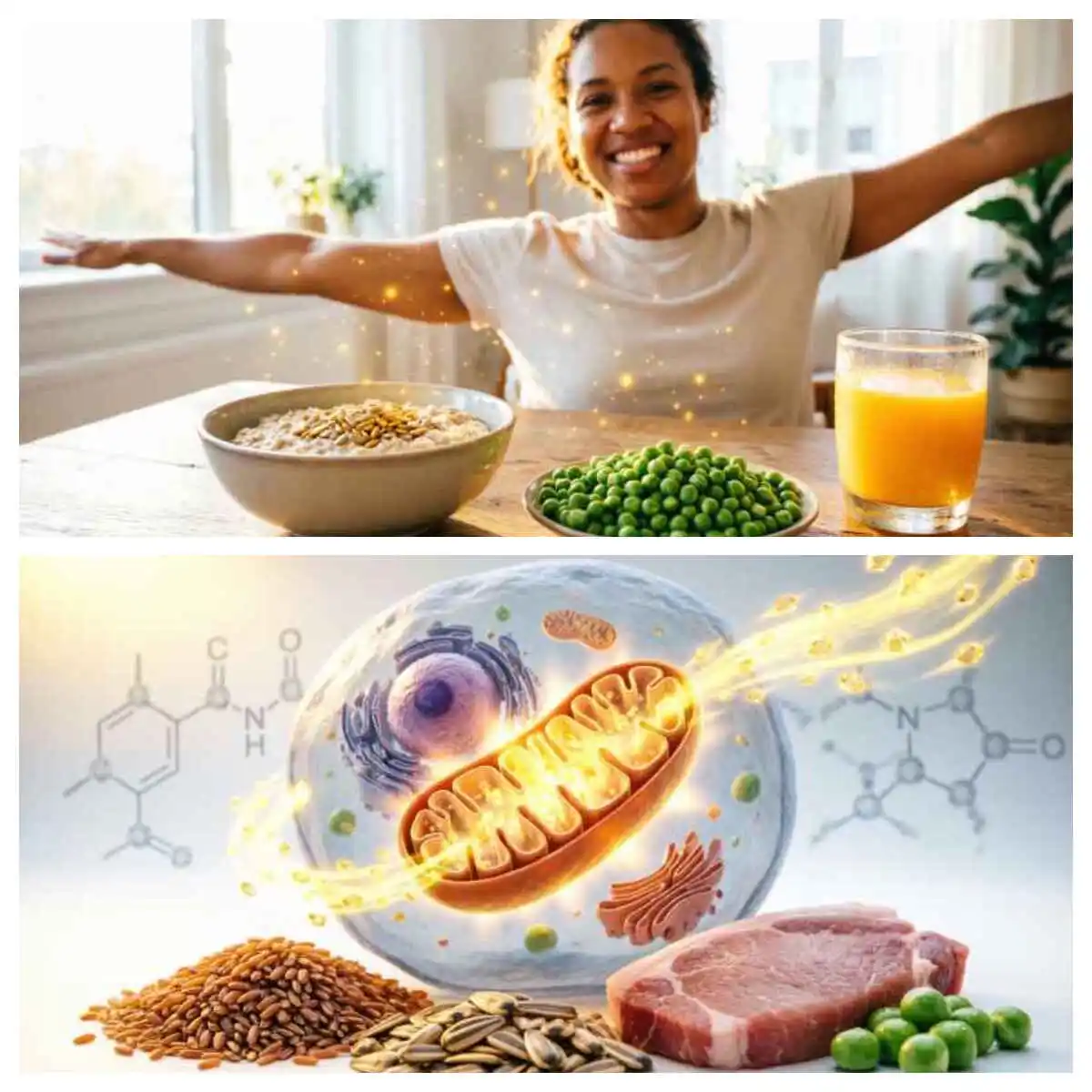
Pork is one of the richest sources. Other good sources include nutritional yeast, whole grains (brown rice, oats), legumes (beans, lentils), seeds, and fish.
- Can coffee or tea affect Thiamine absorption?
Yes. Tannins found in tea and coffee can interfere with thiamine absorption. Drinking tea with a meal can reduce the bioavailability of thiamine from that food by up to 50%.
- Are there foods that destroy Thiamine?
Yes. Raw freshwater fish, shellfish, and ferns contain thiaminases—enzymes that destroy thiamine. Cooking destroys these enzymes, making the food safe.
Supplements

- What is the difference between Thiamine HCl and Benfotiamine?
Thiamine Hydrochloride (HCl) is a water-soluble standard supplement. Benfotiamine is a fat-soluble synthetic derivative that has higher bioavailability and penetrates cells more efficiently, making it better for neurological issues.
- What is Allithiamine?
Allithiamine is a synthetic derivative that is lipid-soluble. It can penetrate cell membranes without needing the body’s usual transport mechanisms, making it effective for severe malabsorption cases.
- What is Sulbutiamine used for?
Sulbutiamine is a synthetic form designed to cross the blood-brain barrier more effectively than standard thiamine. It is often used for cognitive enhancement and reducing mental fatigue.
- What are the pros of synthetic Thiamine supplements?
Synthetic supplements offer stability, precise dosing, and cost-effectiveness. Advanced synthetic forms (like Benfotiamine) offer enhanced bioavailability compared to food sources for therapeutic purposes.
- What are the cons of synthetic Thiamine?
Standard synthetic forms (HCl) have absorption limits (saturation). They also lack the cofactors found in whole foods (like magnesium) that help the vitamin work. Some pills contain fillers or binders that sensitive individuals may react to.
- What is the Recommended Dietary Allowance (RDA) for Thiamine?
The RDA is approximately 1.1 mg for women and 1.2 mg for men. However, therapeutic doses for deficiency or specific conditions can be much higher (100 mg to 300 mg).
- Is Thiamine toxicity possible?
Thiamine toxicity is extremely rare. Because it is water-soluble, the body excretes excess amounts in urine. However, intravenous administration should be monitored by a professional to avoid rare anaphylactic reactions.
Medical Disclaimer: The information provided on this website is for general educational and informational purposes only and is not intended as a substitute for professional medical advice, diagnosis, or treatment. Always seek the advice of your physician or other qualified health provider with any questions you may have regarding a medical condition. Never disregard professional medical advice or delay in seeking it because of something you have read on this website.
