
Table of Contents
Even with thorough planning, the actual implementation of sustainable practices during travel is what ultimately determines the footprint of a journey. How travelers behave on the ground—their daily choices, interactions, and attitudes—profoundly affects their impact on destinations and communities. This section explores practical strategies for sustainable travel once the journey has begun.
Transportation choices within destinations significantly affect a traveler’s environmental footprint. Sustainable travelers prioritize public transportation options like buses, trains, and metros when available. These systems typically have lower per-passenger emissions than private vehicles and provide opportunities to observe local life. For shorter distances, walking and cycling offer zero-emission alternatives that also allow for more intimate exploration of destinations. When private transportation is necessary, choosing fuel-efficient or electric vehicles, carpooling with other travelers, and using ride-sharing services that employ local drivers can reduce impact. Some destinations now offer sustainable transportation options like electric scooter rentals or bike-sharing systems that travelers can utilize.
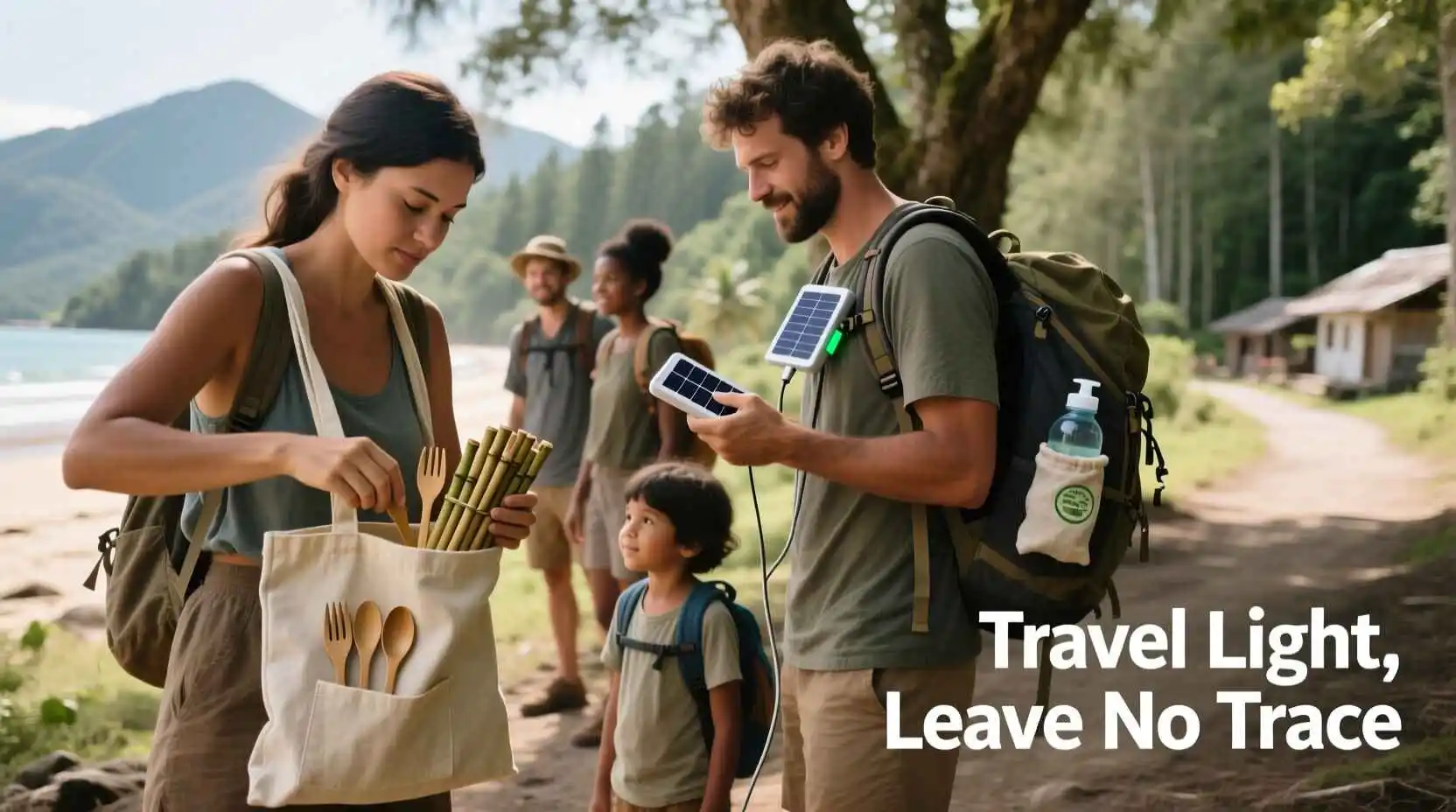
Accommodation practices during travel extend beyond the initial booking to daily behaviors. Sustainable practices in accommodations include conserving water and energy by taking shorter showers, turning off lights and air conditioning when leaving rooms, and reusing towels and linens. Engaging with accommodation staff about their sustainability practices can provide valuable information and demonstrate guest interest in these issues. Supporting on-site sustainability initiatives like towel reuse programs, recycling systems, and local food sourcing encourages continued improvements. Some travelers now bring their own reusable water bottles, coffee cups, and food containers to reduce single-use plastic consumption in accommodations.
Dining choices offer daily opportunities for sustainable practices. Seeking out restaurants that source locally, use seasonal ingredients, and support sustainable agriculture provides both environmental and economic benefits. Plant-based options generally have lower environmental footprints than meat-based dishes, though sustainably sourced local meat and seafood can be appropriate choices in some contexts. Reducing food waste by ordering appropriate portions and taking leftovers when possible is another important practice. Engaging with restaurant staff about ingredient sourcing and preparation methods can provide insights into local food systems and demonstrate consumer interest in sustainability.

Shopping practices during travel affect both environmental sustainability and economic distribution. Sustainable shoppers prioritize locally made products, supporting artisans and craftspeople rather than importers of mass-produced souvenirs. Fair trade and cooperatively produced goods ensure that producers receive fair compensation for their work. Avoiding products made from endangered species or that involve cultural appropriation is essential. Some travelers now bring reusable shopping bags to avoid plastic bags and choose products with minimal packaging. Taking time to learn about the cultural significance and production process of items before purchasing enhances the meaning and sustainability of shopping experiences.
Interaction with local communities is a crucial aspect of sustainable travel. Respectful engagement begins with learning basic phrases in the local language, demonstrating interest in and respect for local culture. Sustainable travelers seek authentic, mutually beneficial exchanges rather than exploitative or voyeuristic experiences. This includes asking permission before photographing people, dressing appropriately for local customs, and being mindful of cultural differences in personal space and communication styles. Supporting community-based tourism initiatives and local businesses ensures that tourism benefits reach residents directly. Some travelers now participate in cultural exchange programs or homestays to facilitate deeper connections with local communities.
Wildlife and nature interactions require particular care to minimize negative impacts. Sustainable practices include following designated trails, maintaining appropriate distances from wildlife, removing all waste, and respecting protected area regulations. In marine environments, using reef-safe sunscreen, avoiding touching or standing on coral, and maintaining distance from marine life are essential. Supporting conservation-focused tour operators and protected areas through entrance fees and participation helps ensure the continued protection of natural resources. Some travelers now participate in citizen science projects during their travels, contributing valuable data to conservation efforts while learning more about local ecosystems.
Water and energy conservation are important daily practices for sustainable travelers. In addition to basic conservation measures like shorter showers and turning off lights, travelers should be mindful of water scarcity in many destinations. This might include taking fewer baths, minimizing laundry requests, and using water efficiently. Energy conservation extends to charging devices only when necessary and unplugging them when fully charged. Some travelers now carry portable solar chargers to reduce reliance on grid electricity, particularly in destinations with fossil fuel-based power systems.
Waste management is a significant challenge in many tourism destinations. Sustainable travelers minimize their waste generation by refusing single-use plastics, carrying reusable items, and properly disposing of any waste they create. When recycling systems are available, separating waste according to local guidelines helps these systems function effectively. In destinations with limited waste management infrastructure, travelers may need to carry out certain waste items, particularly plastics and batteries. Some travelers now participate in beach cleanups or other waste collection activities during their travels, turning a sustainability challenge into a positive action.
Photography practices during travel affect both environmental and social sustainability. As discussed earlier, sustainable photography includes asking permission before photographing people, respecting restrictions on photography at sacred sites, avoiding disturbance to wildlife, and using discretion when sharing images on social media. Some travelers now use their photography to support conservation and cultural preservation efforts, sharing images that highlight environmental challenges or celebrate cultural heritage in respectful ways.
Financial practices during travel have significant implications for economic sustainability. Sustainable travelers ensure that their spending benefits local communities by choosing locally owned businesses, paying fair prices for goods and services, and tipping appropriately for good service. Avoiding bargaining to the point of exploitation is important—while some negotiation is expected in many cultures, driving prices too low can undermine fair compensation for local producers and service providers. Some travelers now allocate a portion of their travel budget specifically to support local conservation or community development initiatives.
Cultural sensitivity and adaptation are essential for sustainable travel. This includes respecting local customs and traditions, adapting behavior to be appropriate in different contexts, and being open to learning from local people. Sustainable travelers observe and follow local practices regarding dress, behavior in religious sites, public displays of affection, alcohol consumption, and other social norms. Being aware of and sensitive to historical and contemporary social issues in the destination helps travelers avoid unintentional offense and engage more meaningfully with local communities.
Health and safety practices during travel affect both personal well-being and sustainability. Sustainable travelers take appropriate health precautions, including necessary vaccinations, preventive medications, and basic medical supplies. They also respect local health guidelines and regulations, particularly those related to food and water safety. Safety practices include being aware of local conditions, securing valuables appropriately, and having adequate insurance coverage. Some travelers now include emergency contact information for local conservation or community organizations in their safety planning, recognizing that supporting these organizations is part of responsible travel.
Technology use during travel can both support and challenge sustainability. Digital tools like maps, translation apps, and online resources can reduce paper waste and help travelers navigate unfamiliar places efficiently. However, over-reliance on technology can disconnect travelers from their surroundings and create electronic waste. Sustainable technology use includes choosing energy-efficient settings, minimizing unnecessary data usage, and being present in the experience rather than constantly documenting it for social media. Some travelers now use apps specifically designed for sustainable travel, such as those that highlight eco-friendly businesses or provide information about local conservation issues.
Crisis response and adaptation are important skills for sustainable travelers. When faced with unexpected situations—whether natural disasters, political unrest, or personal emergencies—sustainable travelers prioritize safety while considering the broader impacts of their responses. This might include supporting local relief efforts, adapting travel plans to reduce pressure on affected areas, or sharing accurate information to help other travelers make informed decisions. Building flexibility into travel itineraries helps travelers adapt to changing circumstances while maintaining sustainable practices.
By implementing these on-the-ground practices consistently, travelers can significantly reduce their footprint while enhancing the quality and meaningfulness of their travel experiences. The following sections will explore additional aspects of sustainable travel, from post-travel reflection to long-term behavior change, all aimed at creating travel experiences that are not only enjoyable but also responsible and regenerative.
Post-Travel Reflection and Long-Term Impact
The journey of sustainable travel extends beyond the trip itself through post-travel reflection and the integration of travel experiences into long-term behavior and attitudes. How travelers process and share their experiences, what they learn from their journeys, and how they apply those insights to their daily lives all contribute to the broader impact of travel. This section explores the importance of post-travel reflection and strategies for maximizing the long-term positive impact of travel experiences.
Reflection is a crucial but often overlooked aspect of sustainable travel. Taking time to process experiences, insights, and lessons learned helps travelers internalize the knowledge gained during their journeys. Effective reflection might include journaling about meaningful experiences, discussing insights with friends or family, or simply spending quiet time contemplating the journey. This reflection allows travelers to move beyond superficial impressions to deeper understanding of the places they visited and their own place in the world. Some travelers find it helpful to reflect on specific questions, such as: What challenged my assumptions? What inspired me? What would I do differently? How has this experience changed my perspective?
Sharing travel experiences can multiply the positive impact of sustainable journeys. When travelers share stories, photos, and insights about sustainable practices, conservation efforts, and cultural preservation, they raise awareness and inspire others to travel more responsibly. Effective sharing goes beyond social media posts to include meaningful conversations, presentations to community groups, blog posts with detailed information, or contributions to sustainable travel resources. When sharing, it’s important to be honest about both positive and challenging aspects of the travel experience, providing a balanced perspective that helps others understand the complexities of sustainable tourism.
Applying travel learning to daily life is perhaps the most significant long-term impact of sustainable travel. The insights gained about environmental issues, cultural differences, and global interconnections can inform daily choices and behaviors. This might include reducing consumption at home based on witnessing resource scarcity in other parts of the world, supporting international conservation or development organizations, changing purchasing habits to favor fair trade and sustainable products, or becoming more engaged in local sustainability efforts. Some travelers find that their experiences inspire career changes, volunteer commitments, or advocacy work that extends the impact of their journey far beyond its duration.
Supporting destinations after returning home helps maintain the positive connections established during travel. This support can take many forms: promoting responsible tourism to the destination, donating to local conservation or community organizations, purchasing products from the region, staying informed about issues affecting the destination, or even returning for repeat visits that demonstrate ongoing commitment. Some travelers establish ongoing relationships with people or organizations they met during their travels, creating mutually beneficial connections that extend over many years.
Providing feedback to tourism businesses and service providers helps improve sustainability practices across the industry. Constructive feedback about environmental initiatives, community engagement, or areas for improvement gives businesses valuable information about traveler priorities and expectations. This feedback is most effective when it’s specific, balanced, and delivered directly to businesses through appropriate channels. Some travelers now review businesses specifically on sustainability criteria, helping other travelers make more informed choices while encouraging industry improvement.
Continuing education about global issues and sustainability challenges keeps travelers engaged and informed long after their journeys end. This education might include reading books and articles about the regions visited, following news about environmental and social issues in those areas, taking courses on related topics, or participating in cultural events in their home communities. This ongoing learning helps travelers maintain a global perspective and deepen their understanding of the complex issues they encountered during their travels.
Advocacy for sustainable tourism policies and practices amplifies the impact of individual travel experiences. Travelers who have witnessed both positive and negative impacts of tourism can be powerful advocates for change at local, national, and international levels. This advocacy might involve supporting organizations that work on tourism sustainability, contacting government representatives about relevant policies, participating in public consultations about tourism development, or sharing expertise with community groups. Some travelers become involved in sustainable tourism certification programs or industry initiatives, contributing their knowledge and experience to systemic change.
Measuring and offsetting the environmental impact of travel is a practice some travelers adopt to address the carbon footprint of their journeys. While reducing emissions is always preferable to offsetting, carbon offset programs can help mitigate the climate impact of necessary travel. Sustainable travelers research offset providers carefully, choosing programs that offer verified, additional, and permanent emissions reductions. Some travelers go beyond carbon to consider other environmental impacts, supporting initiatives that address water conservation, biodiversity protection, or waste reduction in the destinations they visited.
Community engagement at home helps travelers integrate global perspectives into local action. Sharing experiences and insights with local community groups, schools, or religious organizations can raise awareness about global sustainability issues and inspire local action. Some travelers organize cultural exchange events, documentary screenings, or fundraising campaigns that connect their home communities with the places they visited. This engagement creates a bridge between global travel experiences and local community action, extending the reach and impact of sustainable travel.
Mindful consumption habits often develop as a result of sustainable travel experiences. Witnessing resource scarcity, environmental degradation, or the impacts of consumerism in other parts of the world can inspire travelers to examine and change their own consumption patterns. This might include reducing overall consumption, choosing products with lower environmental footprints, supporting ethical and sustainable businesses, or embracing minimalism. Some travelers find that their experiences lead to more conscious consumption in areas like food, clothing, transportation, and housing, creating lasting positive impact beyond their travel.
Building cross-cultural relationships is a long-term benefit of sustainable travel that extends far beyond the journey itself. The connections made with people during travel can evolve into ongoing friendships, professional collaborations, or cultural exchange partnerships. These relationships enrich travelers’ lives, contribute to mutual understanding, and often lead to additional positive impacts through collaborative projects or shared initiatives. Some travelers maintain these connections through regular communication, return visits, or even hosting visitors from the destinations they explored.
Personal growth and transformation are perhaps the most profound long-term impacts of sustainable travel. The challenges, insights, and connections experienced during travel can lead to significant shifts in perspective, values, and priorities. This personal transformation might include greater environmental awareness, increased cultural sensitivity, enhanced global citizenship, or a deeper sense of connection to people and places around the world. These internal changes often drive the external actions and behaviors that create lasting positive impact.
The journey of sustainable travel doesn’t end when travelers return home—it continues through reflection, sharing, application, and ongoing engagement. By embracing this extended journey, travelers can transform personal experiences into broader positive change, creating ripples of impact that extend far beyond their individual journeys. The following sections will explore the future of sustainable travel and emerging trends that are shaping the evolution of tourism toward greater sustainability.
The Future of Sustainable Travel
The landscape of sustainable travel is continuously evolving, shaped by technological innovations, changing consumer preferences, environmental challenges, and social movements. Understanding emerging trends and future directions can help travelers and industry stakeholders anticipate and contribute to positive changes in tourism. This section explores key developments that are likely to influence the future of sustainable travel.
Climate change is perhaps the most significant force shaping the future of travel. As climate impacts intensify, with more extreme weather events, rising sea levels, and ecosystem disruption, tourism destinations and travelers alike will need to adapt. Some destinations may become less viable or attractive due to climate impacts, while others may emerge as alternatives. The travel industry is increasingly recognizing its responsibility to reduce emissions, with innovations like electric aircraft, sustainable aviation fuels, and carbon-neutral operations gaining momentum. Travelers are also becoming more aware of their climate impact, with a growing segment choosing to fly less, stay longer in destinations, or select lower-carbon transportation options.
Technology is transforming sustainable travel in numerous ways. Artificial intelligence and big data analytics enable more efficient resource management in accommodations and transportation, reducing energy and water consumption. Virtual and augmented reality technologies offer alternatives to physical travel for some experiences, potentially reducing overall travel demand while providing educational value. Blockchain technology can enhance transparency in supply chains, helping travelers verify sustainability claims about products and services. Mobile applications provide real-time information about sustainable options, carbon footprint tracking, and educational content. These technological advances, when guided by sustainability principles, have the potential to make travel more efficient, transparent, and low-impact.
Regenerative tourism represents an evolution beyond sustainability toward actively improving destinations. While sustainable tourism aims to minimize negative impacts, regenerative tourism seeks to leave places better than they were found. This approach focuses on restoring ecosystems, revitalizing cultures, and enhancing community well-being through tourism activities. Examples include reforestation projects integrated into tourism experiences, heritage restoration programs supported by visitor fees, and community development initiatives led by tourism businesses. The regenerative tourism movement recognizes that tourism can be a force for positive transformation when designed and implemented with this goal in mind.
Community-led tourism is gaining momentum as communities increasingly take control of tourism development in their areas. This approach contrasts with traditional models where external developers and operators make decisions about tourism with minimal community input. Community-led tourism ensures that local people determine how tourism develops in their area, what forms it takes, and how benefits are distributed. This model often results in more authentic experiences for visitors, greater economic benefits for residents, and better protection of cultural and natural resources. Supporting community-led tourism initiatives is becoming a priority for many sustainable travelers.
Overtourism solutions are evolving as destinations grapple with the challenges of excessive visitor numbers. While some destinations have implemented measures like visitor caps, higher taxes, or restrictions on new accommodation development, more innovative approaches are emerging. These include dispersal strategies that direct visitors to less crowded areas, dynamic pricing that manages demand, and education campaigns that encourage responsible behavior. Some destinations are experimenting with residency requirements or limits on short-term rentals to address housing affordability issues. Travelers are increasingly seeking alternatives to overcrowded destinations, discovering lesser-known places that offer similar experiences without the negative impacts of overtourism.
Slow travel continues to gain adherents as travelers recognize the benefits of more immersive, less rushed experiences. This approach, which emphasizes spending more time in fewer destinations, aligns well with sustainability principles by reducing transportation needs and allowing deeper engagement with places and people. The slow travel movement is influencing industry offerings, with more businesses catering to longer-stay visitors and experiences designed for deeper cultural immersion. Some destinations now actively market themselves as slow travel destinations, highlighting their suitability for extended, relaxed visits.
Wellness and sustainability are increasingly intertwined in tourism offerings. Travelers seeking physical, mental, and spiritual well-being often find that this aligns naturally with sustainable practices that connect them more deeply with nature, culture, and community. Wellness tourism is evolving beyond superficial spa treatments to include more authentic experiences like meditation retreats in natural settings, traditional healing practices, and nature-based activities that promote both personal and planetary health. This convergence of wellness and sustainability is creating new tourism opportunities that benefits both visitors and destinations.
The sharing economy continues to evolve, with both positive and negative implications for sustainability. While platforms like Airbnb and Uber have disrupted traditional tourism services, concerns about their impacts on housing affordability, labor conditions, and community character have grown. The future of the sharing economy in tourism will likely involve greater regulation, more emphasis on genuine sharing rather than commercial exploitation, and increased focus on sustainability metrics. Some platforms are now highlighting their sustainability credentials, such as energy-efficient properties or carbon-neutral options, responding to growing consumer demand for responsible choices.
Accessibility in sustainable travel is receiving increased attention as the industry recognizes that sustainability must include social equity. Making travel experiences accessible to people of all abilities, backgrounds, and economic circumstances is becoming a priority for many sustainable tourism initiatives. This includes physical accessibility for travelers with disabilities, economic accessibility through diverse pricing options, and cultural accessibility through inclusive programming. The intersection of accessibility and sustainability is creating new tourism opportunities that are both environmentally responsible and socially inclusive.
Crisis resilience has become a critical consideration for sustainable travel in light of events like the COVID-19 pandemic, climate-related disasters, and political instability. The future of sustainable travel will involve building more resilient systems that can adapt to disruptions while maintaining environmental and social commitments. This includes diversifying tourism offerings, developing flexible booking and cancellation policies, strengthening local supply chains, and creating emergency response protocols. Travelers are increasingly seeking destinations and businesses that demonstrate resilience and responsible crisis management.
Measurement and verification of sustainability claims are becoming more sophisticated as the industry grapples with greenwashing and inconsistent standards. The future will likely see greater standardization of sustainability metrics, more rigorous verification processes, and increased transparency in reporting. Blockchain technology may play a role in providing immutable records of sustainability practices and impacts. Travelers will have access to more reliable information about the sustainability performance of destinations and businesses, enabling more informed choices. Some destinations are already implementing comprehensive sustainability monitoring systems that track environmental, social, and economic indicators over time.
Educational tourism is evolving as travelers seek more meaningful learning experiences during their journeys. Beyond traditional study abroad programs, educational tourism now includes immersive cultural exchanges, skill-building workshops, conservation education programs, and community-based learning experiences. These educational components not only enrich the travel experience but also build greater awareness and understanding of sustainability challenges and solutions. The future of educational tourism will likely see greater integration with formal education systems, more diverse offerings for different age groups and interests, and increased emphasis on actionable knowledge that travelers can apply in their home communities.
The future of sustainable travel will be shaped by the collective choices of travelers, industry stakeholders, policymakers, and communities. While challenges remain, the growing momentum toward more sustainable tourism practices offers hope for a future where travel can continue to broaden horizons and foster understanding while protecting the planet and benefiting local communities. By staying informed about emerging trends and actively participating in this evolution, travelers can contribute to a tourism industry that is not only sustainable but regenerative, inclusive, and resilient.
Conclusion: The Journey Toward Footprint-Free Travel
As we conclude this comprehensive exploration of sustainable travel, it’s clear that traveling without a footprint is both a challenging aspiration and a necessary evolution in how we experience our world. The journey toward truly sustainable tourism is complex, multifaceted, and ongoing, requiring commitment from travelers, industry stakeholders, communities, and policymakers alike. This final section synthesizes key insights and offers a vision for the future of travel that balances human desire for exploration with planetary boundaries and social responsibility.
The imperative for sustainable travel has never been clearer. With tourism contributing approximately 8% of global carbon emissions and often causing significant environmental degradation, social disruption, and economic inequity, the traditional model of tourism is no longer viable in a world facing climate crisis, biodiversity loss, and social inequality. The concept of traveling without a footprint represents not just an ideal to strive for but a practical necessity for the future of tourism and the destinations we love.
Throughout this guide, we’ve explored the multifaceted nature of travel footprints, encompassing environmental, social, and economic dimensions. We’ve seen that sustainable travel is not simply about choosing eco-friendly options but about adopting a holistic approach that considers the full impact of our journeys. From transportation and accommodation choices to activities, consumption patterns, and interactions with local communities, every aspect of travel offers opportunities for more sustainable practices.
The principles of sustainable travel—minimizing environmental impact, respecting local cultures, ensuring economic benefits reach communities, conserving biodiversity, and fostering visitor satisfaction—provide a framework for decision-making that balances the needs of travelers, destinations, and the planet. These principles are not rigid rules but guidelines that can be adapted to different contexts, destinations, and travel styles.
Practical strategies for sustainable travel abound, from choosing lower-carbon transportation and locally owned accommodations to supporting community-based initiatives and engaging respectfully with local cultures. What these strategies share is a mindful approach to travel—one that considers the consequences of our choices and seeks to maximize positive impacts while minimizing negative ones. Sustainable travel is not about deprivation or sacrifice but about enhancing the quality and meaning of our experiences through more conscious, engaged, and respectful practices.
The journey toward sustainable travel is both personal and collective. On a personal level, it involves examining our own travel motivations, behaviors, and impacts, and making changes that align with our values. On a collective level, it involves supporting industry transformation, advocating for better policies, and contributing to a culture of sustainability in tourism. Both dimensions are essential for creating meaningful change.
Technology will play an increasingly important role in sustainable travel, offering tools for measurement, transparency, and efficiency. From carbon tracking apps that help travelers understand their footprint to blockchain systems that verify sustainability claims, technological innovations can support more informed choices and greater accountability. However, technology is not a panacea—it must be guided by sustainability principles and complemented by changes in attitudes and behaviors.
The future of travel will likely see continued evolution toward more sustainable models, driven by consumer demand, industry innovation, regulatory requirements, and environmental necessity. Concepts like regenerative tourism, community-led tourism, and slow travel are gaining traction, offering visions of tourism that actively benefit destinations rather than simply minimizing harm. These emerging models suggest a future where travel can be a force for positive transformation—restoring ecosystems, revitalizing cultures, and strengthening communities.
For individual travelers, the journey toward footprint-free travel begins with awareness and commitment. It involves educating oneself about sustainability issues, researching destinations and businesses carefully, making mindful choices during travel, and reflecting on experiences afterward. It also means accepting that perfection is not the goal—progress is. Every sustainable choice, no matter how small, contributes to a larger movement toward more responsible tourism.
The travel industry has a crucial role to play in this transformation. By adopting sustainable practices, offering responsible products, and educating travelers, businesses can lead the way toward a more sustainable tourism model. Industry associations, certification programs, and collaborative initiatives can amplify this impact, creating standards and systems that support sustainability across the sector.
Communities are increasingly asserting their right to determine how tourism develops in their areas, leading to more community-led approaches that prioritize local well-being over external interests. Supporting these community-led initiatives is one of the most powerful ways travelers can contribute to sustainable tourism, ensuring that tourism benefits reach those who are most affected by it.
Governments and policymakers also have essential roles in creating the conditions for sustainable tourism through regulations, incentives, infrastructure development, and destination management. Effective policies can address issues like overtourism, environmental protection, worker rights, and community benefits, creating a framework within which sustainable tourism can thrive.
As we conclude this exploration of sustainable travel, it’s worth reflecting on why this matters so much. Travel has the power to broaden horizons, foster understanding, and create connections across cultures. These benefits are more important than ever in our divided world. Yet travel must evolve to fulfill this potential without destroying the very places and cultures that make it meaningful. Sustainable travel is not about limiting these benefits but about ensuring they can continue for generations to come.
The journey toward traveling without a footprint is ongoing, with challenges and complexities at every turn. Yet it is a journey worth taking—for the destinations we love, the communities we visit, the planet we share, and the experiences we cherish. By embracing sustainable travel practices, we can help create a future where travel continues to inspire, educate, and connect while protecting and preserving the world we explore.
FAQs
- What is sustainable travel?
Sustainable travel refers to tourism that minimizes negative environmental, social, and economic impacts while creating positive benefits for destinations, communities, and travelers. It encompasses responsible practices in transportation, accommodation, activities, and interactions that respect local cultures, support conservation efforts, and ensure fair economic distribution.
- Why is sustainable travel important?
Sustainable travel is important because traditional tourism practices often contribute to environmental degradation, cultural disruption, and economic inequity. With tourism accounting for approximately 8% of global carbon emissions and sometimes causing significant social and environmental harm, sustainable approaches are necessary to ensure that tourism can continue without destroying the very attractions that draw visitors.
- How can I reduce my carbon footprint when traveling?
To reduce your carbon footprint when traveling, choose lower-carbon transportation options like trains or buses instead of planes when possible, fly direct rather than with connections, select economy class over business or first class, stay closer to home, use public transportation within destinations, walk or cycle for short distances, and consider carbon offsetting for unavoidable emissions.
- What is the most environmentally friendly way to travel?
The most environmentally friendly way to travel depends on distance and context, but generally human-powered options like walking and cycling have the lowest impact, followed by trains, buses, and then cars. For long distances, trains typically have a lower carbon footprint than planes, though this varies by region and energy sources. The most sustainable choice is often to travel less frequently but stay longer in each destination.
- How can I tell if a hotel or tour operator is truly sustainable?
To determine if a hotel or tour operator is truly sustainable, look for recognized sustainability certifications (like Green Globe, EarthCheck, or LEED), research their environmental and social practices, read reviews from other travelers, ask specific questions about their sustainability initiatives, and check if they have transparent reporting about their impacts and improvements.
- What is greenwashing in tourism?
Greenwashing in tourism refers to marketing practices that make businesses appear more environmentally friendly than they actually are. This can include vague claims like “eco-friendly” without specific practices, highlighting minor green initiatives while ignoring major impacts, or using nature imagery in marketing without demonstrating a genuine commitment to sustainability.
- How can I support local communities when I travel?
You can support local communities when you travel by choosing locally owned accommodations and restaurants, purchasing from local artisans and markets, hiring local guides, respecting local customs and traditions, learning basic phrases in the local language, participating in community-based tourism initiatives, and ensuring that your tourism spending benefits residents rather than just international corporations.
- What is community-based tourism?
Community-based tourism is an approach where local communities have control over tourism development and operations in their area. It typically involves community ownership or management of tourism enterprises, decision-making power about tourism activities, and direct distribution of economic benefits to community members. This approach ensures that tourism aligns with community values and priorities.
- Is it possible to have a zero-impact vacation?
While achieving absolutely zero impact is virtually impossible, as all travel consumes resources and generates emissions, you can significantly minimize your impact through careful choices. This includes selecting low-carbon transportation, staying in eco-friendly accommodations, supporting local businesses, minimizing waste, respecting wildlife and natural areas, and following leave-no-trace principles.
- What is overtourism, and how can I avoid contributing to it?
Overtourism refers to the situation where too many visitors overwhelm a destination, causing environmental degradation, diminished visitor experience, and negative impacts on local communities. You can avoid contributing to overtourism by visiting less popular destinations, traveling during shoulder seasons, staying longer in fewer places, dispersing your activities beyond major attractions, and respecting local regulations and guidelines.
- How can I be a responsible wildlife tourist?
To be a responsible wildlife tourist, choose experiences that prioritize animal welfare and conservation, maintain appropriate distances from wildlife, avoid activities that involve touching, riding, or performing with wild animals, support legitimate conservation organizations, follow all regulations in protected areas, and educate yourself about the species and ecosystems you’re visiting.
- What should I consider when taking photographs while traveling?
When taking photographs while traveling, always ask permission before photographing people, respect restrictions on photography at sacred sites, avoid disturbing wildlife for the sake of a photo, be mindful of how your images will be used and shared, and consider whether photography is appropriate in certain contexts. Use your photography to celebrate and protect destinations rather than exploit them.
- How can I reduce plastic waste while traveling?
To reduce plastic waste while traveling, carry reusable items like water bottles, shopping bags, food containers, and utensils; refuse single-use plastics like straws, cutlery, and bags; choose products with minimal packaging; support businesses that have reduced plastic use; properly dispose of any plastic waste you generate; and participate in beach or community cleanups if possible.
- What is slow travel?
Slow travel is an approach that emphasizes spending more time in fewer destinations rather than rushing between many places. It aligns with sustainability principles by reducing transportation needs, allowing deeper engagement with places and people, and distributing economic benefits more consistently. Slow travel often leads to more authentic, meaningful experiences while minimizing environmental impact.
- How can I ensure my money benefits the local economy?
To ensure your money benefits the local economy, choose locally owned accommodations, restaurants, and tour operators; purchase locally made products and souvenirs; eat at local restaurants rather than international chains; hire local guides; use local transportation services; and avoid all-inclusive packages that keep most of your spending within the resort or international company.
- What is regenerative tourism?
Regenerative tourism is an approach that goes beyond sustainability (minimizing negative impacts) to actively improve destinations through tourism activities. It focuses on restoring ecosystems, revitalizing cultures, and enhancing community well-being. Examples include reforestation projects integrated into tourism experiences, heritage restoration programs supported by visitor fees, and community development initiatives led by tourism businesses.
- How can I respect local cultures when traveling?
To respect local cultures when traveling, research local customs before your trip, dress appropriately for different contexts, learn basic phrases in the local language, ask permission before photographing people, follow local etiquette in religious or sacred sites, be mindful of cultural differences in communication and personal space, and avoid behaviors that might be considered disrespectful or offensive.
- What should I consider when choosing sustainable accommodations?
When choosing sustainable accommodations, look for properties with recognized sustainability certifications, energy and water conservation practices, waste reduction and recycling programs, local sourcing of food and materials, community engagement initiatives, local employment practices, and transparent reporting about their environmental and social performance. Consider location, size, and ownership structure as well.
- How can I be a sustainable cruiser?
To be a sustainable cruiser, choose smaller ships with better environmental practices, select cruise lines with strong sustainability commitments, research the operator’s environmental record, participate in onboard conservation programs, respect local communities and ecosystems during shore excursions, offset your carbon emissions, and consider alternatives to cruising where possible, as even the most sustainable cruises have significant environmental impacts.
- What is the difference between sustainable tourism and responsible tourism? Sustainable tourism and responsible tourism are closely related concepts with significant overlap. Sustainable tourism generally refers to the development and operation of tourism in a way that minimizes negative impacts and ensures long-term viability. Responsible tourism typically focuses more on the behavior of individual travelers and businesses, emphasizing ethical choices and actions that benefit destinations. Both aim to create tourism that is environmentally sound, socially equitable, and economically viable.
- How can I travel sustainably on a budget?
Traveling sustainably on a budget is possible through several strategies: choose destinations where your currency has strength, travel during shoulder seasons, use public transportation, stay in locally owned budget accommodations like guesthouses or homestays, eat where locals eat, seek out free or low-cost activities like hiking or visiting public beaches, and focus on experiences rather than expensive attractions. Sustainable choices often align with budget-friendly options.
- What is ecotourism, and how is it different from sustainable tourism?
Ecotourism is a niche form of tourism focused on visiting natural areas that conserve the environment, sustain the well-being of local people, and involve interpretation and education. It is a specific type of sustainable tourism with particular emphasis on nature, conservation, and learning. While all ecotourism should be sustainable, not all sustainable tourism is ecotourism, as sustainable tourism can occur in urban or cultural contexts as well as natural ones.
- How can I reduce water usage when traveling?
To reduce water usage when traveling, take shorter showers, reuse towels and linens in hotels, turn off taps while brushing teeth, report leaks to accommodation staff, be mindful of water scarcity in destinations, choose water-efficient activities, minimize laundry requests, and carry a reusable water bottle with a purification method if needed to avoid purchasing bottled water.
- What should I consider when buying souvenirs?
When buying souvenirs, consider whether they are locally made and support local artisans, whether they involve endangered species or exploited labor, whether they are authentic to the local culture rather than mass-produced imports, whether they are durable and will last, and whether they align with your values. Prioritize quality over quantity, and be willing to pay fair prices that adequately compensate producers.
- How can I be a sustainable food tourist?
To be a sustainable food tourist, choose restaurants that source locally and seasonally, try plant-based options, which generally have lower environmental footprints, learn about local food systems and traditions, avoid endangered or threatened species, minimize food waste, support food producers directly through markets or farm visits, and be open to trying local specialties rather than seeking familiar international cuisine.
- What is the role of certification in sustainable tourism?
Certification in sustainable tourism provides third-party verification that businesses or destinations meet specific sustainability standards. Reputable certification programs assess environmental, social, and economic performance, providing travelers with credible information about sustainability practices. Certification can help businesses improve their performance, differentiate themselves in the market, and build trust with consumers seeking responsible options.
- How can I avoid cultural appropriation when traveling?
To avoid cultural appropriation when traveling, educate yourself about the cultural significance of practices, symbols, and items; seek permission and guidance from local community members; purchase from authentic sources that fairly compensate cultural practitioners; avoid treating sacred or significant cultural elements as costumes or novelties; and use cultural knowledge respectfully rather than claiming it as your own. Focus on appreciation and support rather than appropriation.
- What is the impact of social media on sustainable travel?
Social media has both positive and negative impacts on sustainable travel. On the positive side, it can raise awareness about sustainability issues, promote responsible practices, and connect travelers with local communities. On the negative side, it can encourage superficial engagement with places, promote irresponsible behavior for dramatic photos, contribute to overtourism at specific locations, and create unrealistic expectations about destinations. Mindful social media use can maximize benefits while minimizing harms.
- How can I prepare for sustainable travel?
To prepare for sustainable travel, research destinations thoroughly, focusing on environmental and social issues; choose sustainable transportation, accommodation, and activity options; learn about local customs and basic phrases in the local language; pack responsibly with reusable items and appropriate clothing; set realistic expectations; budget for fair prices to local providers; and consider how you’ll share your experiences to inspire others.
- What is the future of sustainable travel?
The future of sustainable travel will likely see continued evolution toward more environmentally and socially responsible models, driven by consumer demand, industry innovation, regulatory requirements, and environmental necessity. Emerging trends include regenerative tourism that actively improves destinations, community-led tourism approaches, technology-enabled transparency and efficiency, greater integration of wellness and sustainability, and more resilient tourism systems that can adapt to challenges like climate change.
Disclaimer: The content on this blog is for informational purposes only. The author’s opinions are personal and not endorsed. Efforts are made to provide accurate information, but completeness, accuracy, or reliability are not guaranteed. The author is not liable for any loss or damage resulting from the use of this blog. It is recommended to use the information on this blog at your own discretion.
