
Table of Contents
The issue of hazardous fabrics is a silent epidemic. It hides in plain sight, stitched into the seams of our daily lives. The correlation between the rise of synthetic, chemical-laden clothing and the increase in autoimmune issues, allergies, and skin sensitivities cannot be ignored.
However, knowledge is power. By understanding the risks of synthetic clothing, the dangers of formaldehyde in clothes, and the pervasive nature of microplastics in clothing, we can make informed choices. We can refuse to be passive consumers of toxic waste.
Changing your wardrobe is an act of self-care. It is an act of resistance against a fast-fashion industry that prioritizes profit over public health. By choosing natural fibers, demanding transparency, and adhering to sustainable textile standards, we can protect our skin, our hormones, and our future. The clothes we wear should make us feel good—not just because of how they look, but because of what they don’t contain: poison.
Start today. Check the label. Wash the new. Choose the natural. Your skin will thank you.

FAQs
General Risks & Skin Absorption
- Why is clothing considered a potential health hazard?
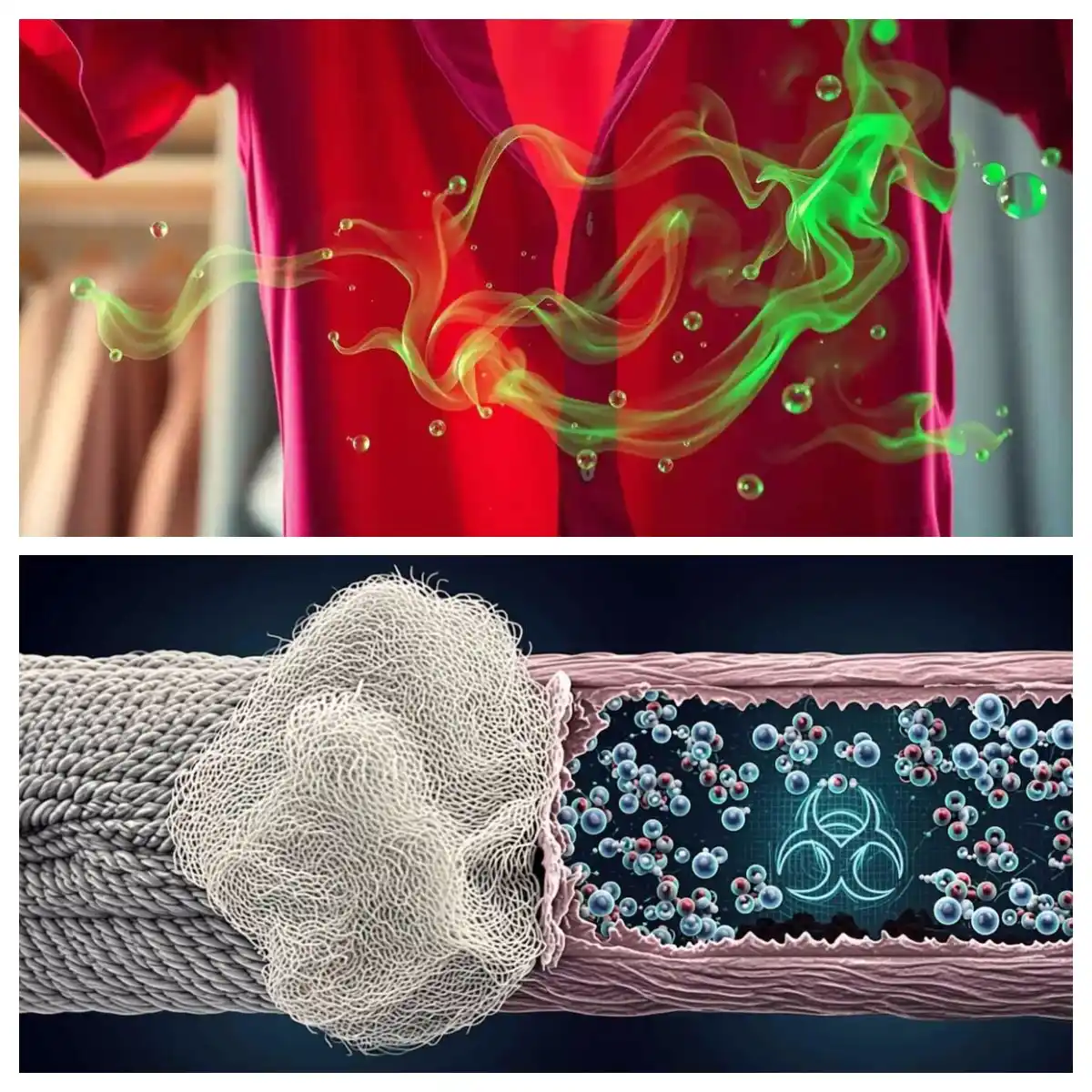
Clothing is often treated with a cocktail of chemicals—including pesticides, synthetic dyes, and finishing agents like formaldehyde—that can be absorbed through the skin. Because the skin is the body’s largest organ and is semi-permeable, these toxins can bypass the liver and enter the bloodstream directly, leading to long-term health accumulation.
- How does the skin absorb chemicals from fabric?
The skin acts like a sponge. When you wear tight clothing and sweat, the combination of heat and moisture opens up pores and increases blood flow to the skin’s surface. This creates an ideal environment for chemical compounds in the fabric to be absorbed into the body.
- Does sweating increase the risk of chemical absorption?
Yes. Sweat acts as a solvent for many chemicals used in textiles. If a garment contains unbound dyes or chemical finishes, moisture can leach these substances out of the fabric and onto the skin, where they are more easily absorbed.
Synthetic Fabrics
- What are the main health risks associated with polyester?
Polyester is a petroleum-based plastic. It is often treated with antimony, a known carcinogen. Additionally, polyester is hydrophobic (repels water), trapping sweat against the skin and creating a breeding ground for bacteria and fungi.
- Why is nylon potentially dangerous?
Nylon production involves strong acids and chemicals, some of which may remain in the fabric. It is also notorious for off-gassing Volatile Organic Compounds (VOCs), which can cause headaches and respiratory irritation, especially when the fabric is new.
- What health risks are linked to acrylic fabric?
Acrylic fabric is essentially liquid acrylic acid. It often requires flame retardants because it is highly flammable. These flame retardants are frequently bio-accumulative and have been linked to thyroid disruption and neurological issues.
- What are microplastics in clothing?
Synthetic fibers like polyester, nylon, and acrylic shed microscopic plastic fibers known as microplastics. These are released into the air during wear and into the water during washing.
- How do microplastics affect human health?
Microplastics have been found in human blood, lungs, and placentas. They can cause tissue inflammation, damage cell membranes, and act as carriers for other toxins like PCBs and dioxins, bringing them directly into the body.
Chemical Treatments & Dyes
- Why is formaldehyde used in clothing?
Formaldehyde is used to create “permanent press,” “wrinkle-free,” or “anti-shrink” finishes. It cross-links the cellulose fibers in cotton and rayon to prevent them from wrinkling.
- What are the health dangers of formaldehyde in clothes?
Formaldehyde is a known human carcinogen. Short-term exposure can cause contact dermatitis (rashes, itching), while long-term exposure has been linked to nasopharyngeal cancer and leukemia.
- What are PFAS in fabrics?
PFAS (Per- and polyfluoroalkyl substances) are a group of chemicals used to make fabrics water-resistant, oil-resistant, or stain-resistant. They are commonly found in waterproof jackets and activewear.
- Why are PFAS called “forever chemicals”?
They are called “forever chemicals” because they do not break down in the environment or the human body. They bioaccumulate over time, leading to higher toxic loads with continued exposure.
- What health issues are associated with PFAS?
PFAS exposure has been linked to hormonal disruption, thyroid issues, immune system suppression, reduced vaccine response, obesity, and cancers such as kidney and testicular cancer.
- What are Azo dyes?
Azo dyes are synthetic dyes used to create vibrant colors in textiles. Under certain conditions, such as contact with sweat or saliva, they can break down into aromatic amines, which are potent carcinogens.
- Are heavy metals found in clothing?
Yes. Heavy metals like lead, cadmium, chromium, and mercury are often used in dyes to achieve specific colors or in metal accessories like zippers and buttons. These are neurotoxic and can cause organ damage.
Conditions & Symptoms
- What is textile dermatitis?
Textile dermatitis is a form of contact dermatitis caused by an allergic reaction to chemicals in clothing or the rough texture of synthetic fibers. It manifests as red, itchy rashes, often in areas where clothing is tight or sweat accumulates.
- Where on the body does textile dermatitis usually appear?
It commonly appears in areas where friction and sweat are highest, such as the waistband area, armpits, inner thighs, and neck.
- What is Multiple Chemical Sensitivity (MCS)?
MCS is a condition where individuals experience adverse health effects from exposure to low levels of everyday chemicals. For these individuals, synthetic fabrics can trigger migraines, fatigue, and respiratory distress.
Natural Fabrics & Misconceptions
- Is conventional cotton safe?
Natural, conventional cotton is heavily treated with pesticides and insecticides. Residues of chemicals like glyphosate can remain on the fabric, and the bleaching process creates dioxins, which are highly toxic pollutants.
- What is the difference between conventional cotton and organic cotton?
Organic cotton (especially GOTS certified) is grown without toxic pesticides or synthetic fertilizers and processed without harsh chemicals, bleaches, or heavy metal dyes. Conventional cotton lacks these restrictions.
- Is Rayon a safe, natural alternative?
Rayon is made from wood pulp but requires a harsh chemical process involving sodium hydroxide and carbon disulfide (a neurotoxin) to turn it into fiber. Residues can remain, making it less safe than organic cotton or linen.
Vulnerable Groups
- Which groups are most vulnerable to hazardous fabrics?
Children, infants, and pregnant women are the most vulnerable. Their skin is more permeable, and their developing systems are more susceptible to endocrine-disrupting chemicals.
- Why are children at higher risk?
Children have thinner skin that absorbs chemicals more easily. They also breathe more air relative to their body weight and often put clothing or textiles in their mouths, increasing exposure to toxins.
Solutions & Safe Practices
- How can I identify hazardous fabrics when shopping?
Be wary of “wrinkle-free,” “stain-resistant,” or “water-repellent” labels, as these indicate chemical treatments. Dark, saturated colors also often carry higher dye loads.
- What is the “sniff test” for clothing?
If a garment has a strong chemical smell, it indicates the off-gassing of VOCs or other industrial chemicals. It is best to avoid these garments or wash them thoroughly before wearing.
- What are the safest fabrics to wear?
The safest fabrics include organic cotton (GOTS certified), linen, hemp, Tencel/Lyocell, and responsibly sourced wool. These are natural, breathable, and generally processed with fewer chemicals.
- What is the OEKO-TEX Standard 100 certification?
This certification guarantees that every component of a textile article has been tested for harmful substances and is harmless to human health.
- What does GOTS certification mean?
The Global Organic Textile Standard (GOTS) ensures the textile is made from organic fibers and meets strict environmental and social criteria throughout the production chain, banning many toxic chemicals.
- Is it safe to buy vintage or second-hand clothing?
Yes, vintage clothing (pre-2000s) is often safer because chemical residues have been washed out over the years of previous wear. However, you should still wash them before wearing them.
- Should I wash new clothes before wearing them?
Absolutely. Washing new clothes can significantly reduce the surface load of chemicals, formaldehyde, and excess dyes, though it cannot remove all treatments like PFAS.
Disclaimer: The content on this blog is for informational purposes only. The author’s opinions are personal and not endorsed.
Efforts are made to provide accurate information, but completeness, accuracy, or reliability are not guaranteed. The author is not liable for any loss or damage resulting from the use of this blog. It is recommended to use the information on this blog at your own discretion.
