
Table of Contents
The Remarkable Health Benefits of Mangoes: Unpacking the Nutritional Power of the ‘King of Fruits’
We all know the sheer delight of biting into a perfectly ripe, juicy mango. Its vibrant colour, intoxicating aroma, and tropical sweetness transport us to sunnier climes with every mouthful. Often hailed as the “king of fruits,” the mango (Mangifera indica) is not just a treat for our taste buds; it’s a nutritional powerhouse packed with vitamins, minerals, and antioxidants that offer a wide array of health benefits. As we delve into what makes this beloved fruit so good for us, we’ll discover why we should make mangoes a regular part of our diet, beyond just their delicious appeal.
Our exploration begins with understanding the composition of this magnificent fruit. Mangoes are relatively low in calories for their size and sweetness, and they are particularly rich in certain vitamins and beneficial plant compounds. We’re talking about a significant source of Vitamin C and Vitamin A (primarily in the form of beta-carotene), along with dietary fiber, various B vitamins, potassium, and a host of powerful antioxidants like mangiferin, catechins, quercetin, and anthocyanins. It’s this complex blend of nutrients that contributes to the impressive health profile of mangoes.
To give us a clearer picture, let’s look at the nutritional breakdown of a standard serving size, which is typically around one cup of sliced mango (about 165 grams). Please note that values can vary slightly based on the variety and ripeness of the fruit.
| Nutrient | Amount (per 1 cup / 165g) | Approximate % Daily Value (DV) | Key Role in Health |
| Calories | ~100 kcal | Provides energy | |
| Carbohydrates | ~25 g | Primary energy source | |
| Dietary Fiber | ~2.6 g | ~9% | Aids digestion, promotes satiety |
| Sugars | ~23 g | Natural fruit sugars | |
| Vitamin C | ~60 mg | ~67% | Immune function, collagen synthesis, antioxidant |
| Vitamin A (as RAE) | ~112 mcg | ~12% | Vision, immune function, cell growth |
| Beta-Carotene | ~1055 mcg | Precursor to Vitamin A, antioxidant | |
| Folate (Vitamin B9) | ~43 mcg | ~11% | Cell growth and function, DNA synthesis |
| Vitamin B6 | ~0.18 mg | ~11% | Metabolism, brain development |
| Vitamin K | ~6.9 mcg | ~6% | Blood clotting, bone health |
| Potassium | ~277 mg | ~6% | Blood pressure regulation, muscle function |
| Copper | ~0.16 mg | ~18% | Iron absorption, energy production, nerve function |
| Magnesium | ~9 mg | ~2% | Nerve/muscle function, blood sugar/pressure control |
| Antioxidants | Significant amounts | Protect cells from damage, reduce inflammation |
(Note: %DV is based on a 2,000-calorie diet and can vary. RAE = Retinol Activity Equivalents)

Now that we see what’s inside, let’s explore the specific health benefits these nutrients provide us:
1. Supports Robust Immune Function:
Perhaps one of the most celebrated benefits is the mango’s significant contribution to our immune system. A single cup provides a substantial portion of our daily Vitamin C needs. Vitamin C is a potent antioxidant that protects our cells from damage caused by free radicals, and it’s crucial for the proper functioning of various immune cells. Additionally, the Vitamin A present in mangoes plays a vital role in maintaining the integrity of our mucosal barriers (like those in the gut and respiratory tract), which are our body’s first line of defense against pathogens.
2. Promotes Digestive Health:
Mangoes are a good source of dietary fiber, containing both soluble and insoluble types. Fiber adds bulk to our stool, helping to prevent constipation and promoting regularity. It also acts as a prebiotic, feeding the beneficial bacteria in our gut microbiome, which is increasingly recognized for its role in overall health, including immunity and mood. Furthermore, mangoes contain digestive enzymes, such as amylases, which help break down complex carbohydrates into simpler sugars, aiding the digestion process.
3. Boosts Eye Health:
The vibrant yellow-orange colour of mangoes is a giveaway that they are rich in beta-carotene, a type of carotenoid that our bodies convert into Vitamin A. Vitamin A is absolutely essential for healthy vision. It’s a key component of rhodopsin, a protein in our eyes that allows us to see in low light conditions. Adequate Vitamin A intake can help prevent common eye problems, including age-related macular degeneration and night blindness. Mangoes also contain other antioxidants like lutein and zeaxanthin, which accumulate in the retina and protect against light-induced damage.
4. Enhances Skin and Hair Health:
Thanks mostly to Vitamin C and Vitamin A, mangoes are wonderful for keeping our skin and hair looking their best. Vitamin C is indispensable for the production of collagen, the structural protein that gives our skin its elasticity and reduces wrinkles. Its antioxidant properties also help protect skin cells from sun damage and environmental pollutants. Vitamin A, or retinoids derived from it, is important for cell growth and repair, helping to maintain healthy skin and scalp, and contributing to shiny hair.
5. Supports Heart Health:
The fiber, potassium, and antioxidant content in mangoes collectively contribute to cardiovascular health. Fiber helps lower blood cholesterol levels, particularly LDL (“bad”) cholesterol, which is a major risk factor for heart disease. Potassium is crucial for maintaining healthy blood pressure levels, as it helps balance sodium in the body and supports proper heart rhythm. The antioxidants like mangiferin may help protect blood vessels from oxidative stress and inflammation, further promoting heart function.
6. Might Possess Anti-inflammatory and Anti-Cancer Properties:
Mangoes are loaded with various phytochemicals and antioxidants that have been studied for their potential anti-inflammatory and anti-cancer effects. Mangiferin, a unique xanthone found in mangoes, is a particularly potent antioxidant and anti-inflammatory compound that has shown promise in laboratory studies against certain types of cancer cells, though more human research is needed. While no single food can prevent or cure cancer, including antioxidant-rich fruits like mangoes as part of a balanced diet is a strategy we can adopt to support our body’s natural defenses against cellular damage.
7. Aids in Weight Management:
While mangoes are sweet, their fiber content can help us feel fuller for longer, potentially reducing overall calorie intake. They also offer a much healthier source of sweetness compared to processed snacks, making them a satisfying option when we crave something sweet. Including fruits like mangoes in a balanced diet is generally associated with healthier body weights.
We can see that the “king of fruits” truly lives up to its name, offering far more than just incredible flavour. Its vibrant nutrient profile makes it a valuable addition to any health-conscious diet. As the saying goes, focusing on nourishment from natural sources is key:
“The doctor of the future will give no medication, but will interest his patients in the care of the human frame, in diet, and in the cause and prevention of disease.” – Attributed to Thomas Edison
This quote reminds us of the power of preventative health through diet, and fruits like mangoes are perfect examples of nature’s pharmacy.
Portion Control and Smart Serving Sizes
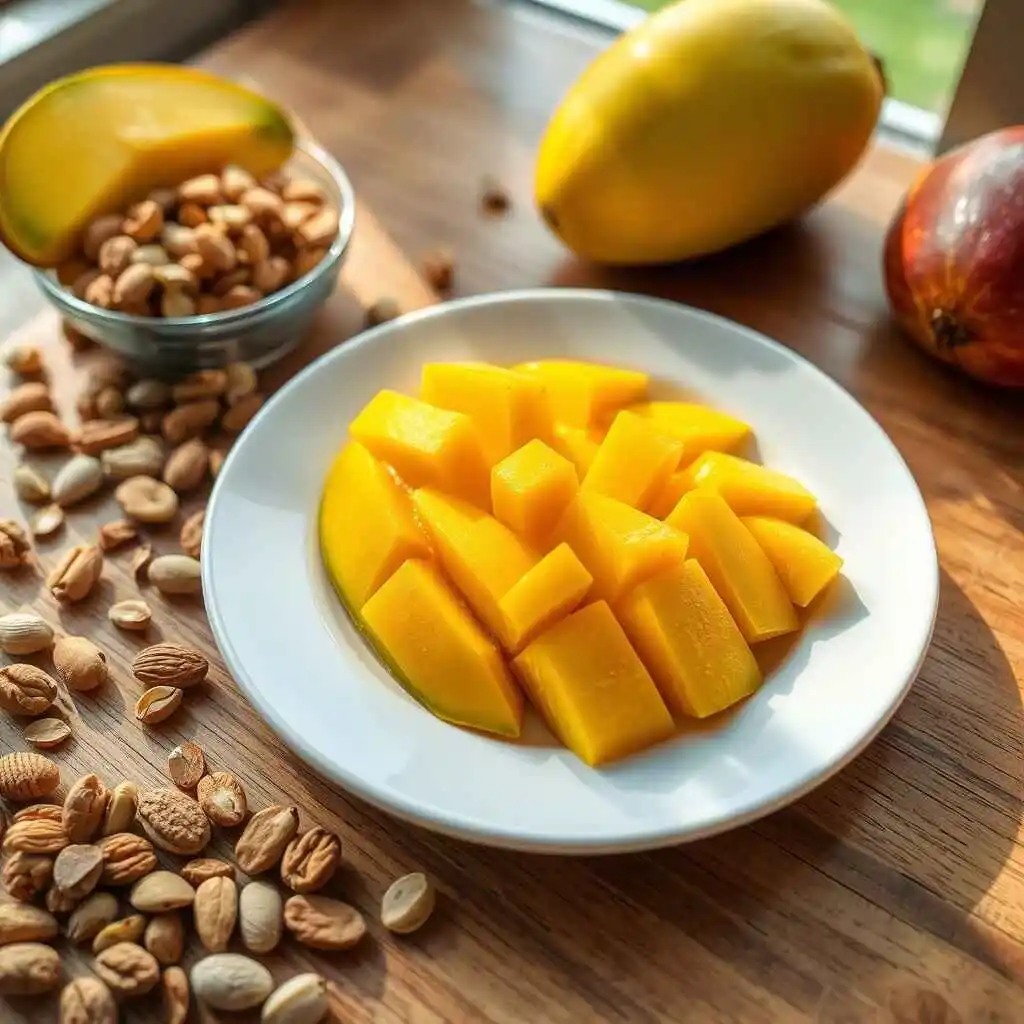
When incorporating mango into a diabetes-managed diet, portion control is essential. While mango’s glycemic index is relatively moderate, the total amount consumed directly affects blood sugar levels. The American Diabetes Association recommends a standard fruit serving size of 150 grams (about a cup of cubed mango), which provides a manageable amount of carbohydrates without overloading the body. Visual cues can also be helpful—consider one serving to be the size of a tennis ball or a small fruit. To maintain stable blood sugar levels, it’s best to consume mango as part of a well-balanced meal or snack, rather than in large quantities. For example, pairing half a cup of mango with a handful of chia seeds or Greek yogurt can slow down sugar absorption. Additionally, enjoying a small mango with a handful amount of nuts or seeds provides healthy fats and protein, which help regulate blood glucose. These smart combinations allow diabetics to indulge in mango’s flavors while keeping their glucose levels in check. By practicing mindful portioning and thoughtful pairings, individuals with diabetes can enjoy this tropical fruit without compromising their dietary goals.
Incorporating mangoes into our meals and snacks is easy and enjoyable. Here are just a few ideas:
- Fresh Slices: The simplest and most direct way to enjoy their pure taste.
- Smoothies: Blend with yogurt, milk (dairy or plant-based), and other fruits for a tropical treat.
- Salsas: Diced mangoes add a delightful sweet and tangy contrast to savory dishes, especially with fish or chicken.
- Salads: Toss into green salads or fruit salads for sweetness and texture.
- Yogurt or Oatmeal Topping: Add fresh or frozen mango cubes for extra flavour and nutrients.
- Frozen Treats: Freeze mango chunks for a healthy, refreshing snack, or blend into sorbet.
- Desserts: Use in tarts, puddings, or simply serve chilled.
Sweet Without the Spike: 10 Healthy Mango Recipes for Diabetics
However, enjoying mangoes and spiking your blood sugar are two completely different things. You don’t have to banish this tropical favorite from your diet forever! The secret lies in portion control and, more importantly, strategic pairing.
When you pair a small amount of mango with protein, healthy fats, and high-fiber foods, you slow down the digestion and absorption of the fruit’s natural sugars. This prevents the dreaded blood glucose spike and keeps your levels stable. Furthermore, using unripe (green) mangoes is a brilliant culinary trick, as they contain much less sugar than their fully ripened counterparts.
- Mango Chia Seed Pudding
Chia seeds are a diabetic’s best friend. They are packed with soluble fiber, which forms a gel-like substance in your gut, slowing down the absorption of the mango’s sugars.
- Ingredients: 2 tbsp chia seeds, 1 cup unsweetened almond milk, ¼ cup diced fresh mango, a dash of vanilla extract, and a pinch of cinnamon (which also helps improve insulin sensitivity!).
- How to make it: Mix chia seeds, almond milk, vanilla, and cinnamon in a jar. Stir well and refrigerate overnight. In the morning, top with the ¼ cup of diced mango.
- Grilled Chicken & Mango Spinach Salad
Turning a fruit into a savory salad component is a great way to stretch the flavor without overloading on carbs.
- Ingredients: 4 oz grilled chicken breast, 2 cups fresh spinach, ⅓ cup diced mango, ¼ cup sliced almonds, 1 tbsp olive oil, and lemon juice.
- How to make it: Toss the spinach, grilled chicken, mango, and almonds together. Whisk the olive oil and lemon juice for a light, sugar-free dressing. The protein and fat from the chicken, almonds, and olive oil completely balance out the mango.
- Black Bean & Mango Salsa
Beans are a powerhouse of fiber and plant-based protein, making them the perfect buffer for the sweetness of mango.
- Ingredients: ½ cup canned black beans (rinsed well), ⅓ cup diced mango, ¼ cup diced red bell pepper, 2 tbsp red onion, fresh cilantro, lime juice, and a pinch of cumin.
- How to make it: Toss all ingredients together in a bowl. Let it sit in the fridge for 20 minutes for the flavors to meld. Serve with baked tortilla chips or use it as a topping for grilled fish.
- Mango & Avocado Guacamole
Avocados are loaded with heart-healthy monounsaturated fats that are incredibly effective at stabilizing blood sugar.
- Ingredients: 1 ripe avocado, ¼ cup finely diced mango, 2 tbsp diced red onion, cilantro, lime juice, and a pinch of sea salt.
- How to make it: Mash the avocado, then gently fold in the mango, onion, cilantro, lime juice, and salt. The creamy fat of the avocado neutralizes the sugar in the mango perfectly.
- Diabetic-Friendly Mango Green Smoothie
Never drink a fruit-only smoothie if you have diabetes! Always add protein and fat.
- Ingredients: 1 cup fresh spinach, ½ cup plain, unsweetened Greek yogurt, 1 tbsp ground flaxseed, ⅓ cup frozen mango chunks, and water or unsweetened almond milk to blend.
- How to make it: Blend all ingredients until smooth. The Greek yogurt provides a massive protein punch, and flaxseed adds healthy fats and lignans, making this a perfectly balanced breakfast.
- Thai-Style Green Mango Salad
This recipe uses unripe green mango, which has a crisp, tart flavor and a fraction of the sugar of ripe mango.
- Ingredients: 1 cup shredded green (unripe) mango, 1 tbsp crushed unsalted peanuts, 1 tbsp shredded coconut, fresh mint, cilantro, lime juice, and a pinch of chili flakes.
- How to make it: Toss the shredded green mango with the herbs, lime juice, and chili flakes. Top with crushed peanuts and shredded coconut. It’s refreshing, crunchy, and incredibly low in carbohydrates.
- Mango Almond Butter Overnight Oats
Rolled oats are a complex carbohydrate, but when paired with the right toppings, they make a slow-digesting, energizing breakfast.
- Ingredients: ½ cup rolled oats, ½ cup unsweetened almond milk, 1 tbsp chia seeds, 1 tbsp natural, no-sugar-added almond butter, and ¼ cup diced mango.
- How to make it: Combine oats, almond milk, and chia seeds in a jar. Seal and refrigerate overnight. In the morning, top with the almond butter and diced mango. The almond butter adds a satiating fat that keeps blood sugar steady all morning.
- Baked Salmon with Mango-Avocado Relish
Salmon provides high-quality protein and Omega-3 fatty acids, which are highly recommended for diabetics to reduce cardiovascular risk.
- Ingredients: 4 oz salmon fillet, ¼ cup diced mango, ¼ cup diced avocado, lime juice, and a dash of paprika.
- How to make it: Season the salmon with paprika and bake at 400°F (200°C) for 12-15 minutes. While it bakes, mix the mango, avocado, and lime juice to create a relish. Serve the relish directly on top of the cooked salmon.
- Coconut & Green Mango Curry
In many Asian cuisines, green mango is used as a vegetable in curries rather than a sweet fruit.
- Ingredients: 1 cup cubed green (unripe) mango, ¼ cup lite coconut milk, 4 oz cubed tofu or chicken breast, garlic, ginger, turmeric, and a pinch of salt.
- How to make it: Sauté the garlic and ginger, add your protein and green mango cubes, and cook for a few minutes. Stir in the turmeric and lite coconut milk, simmering until the mango is tender. Serve over a small portion of cauliflower rice or quinoa.
- Cinnamon-Spiced Grilled Mango with Ricotta
Yes, diabetics can have dessert! The trick here is grilling the mango, which caramelizes the natural sugars, meaning you need less of it to satisfy your sweet tooth.
- Ingredients: ½ cup thick slices of firm mango, ¼ cup part-skim ricotta cheese, ½ tsp cinnamon, and 1 tsp crushed walnuts.
- How to make it: Lightly grill the mango slices on a hot skillet for 1-2 minutes per side until grill marks appear. Place them on a plate, top with a dollop of ricotta cheese (a low-glycemic, slow-digesting dairy protein), sprinkle with cinnamon and walnuts.
3 Golden Rules for Diabetics Eating Mango:
- Mind the Portion: Treat mango as a “garnish” rather than the main event. Stick to ¼ to ½ cup per sitting.
- Never Eat It Naked: Never eat a bowl of plain mango slices on an empty stomach. Always pair it with a handful of nuts, a piece of cheese, or a glass of unsweetened milk.
- Test Your Levels: Everyone’s body reacts differently. Eat a small portion, test your blood sugar two hours later, and see how your body handles it before making it a regular staple.
Disclaimer: Always consult with your endocrinologist or a registered dietitian before making significant changes to your diet, especially when managing a condition like diabetes.
In conclusion, the health benefits of mangoes are numerous and impressive. From bolstering our immune system and aiding digestion to protecting our vision and supporting heart health, this delicious tropical fruit offers a wealth of goodness. It’s a testament to the power of whole, natural foods in contributing to our overall well-being. So, let’s not hesitate to enjoy the juicy sweetness of mangoes, knowing that we are simultaneously treating ourselves to a cascade of health benefits. It’s a win-win situation for our taste buds and our bodies.
FAQs
Q: Are mangoes bad for diabetics?
A: Mangoes are not inherently “bad” for diabetics, but they do contain natural sugars that can affect blood sugar levels. One medium-sized mango contains around 46 grams of carbohydrates and 24 grams of sugar. However, mangoes also contain fiber, vitamins, and minerals that can be beneficial for overall health.
Q: Can diabetics eat mangoes at all?
A: Yes, diabetics can eat mangoes in moderation. It’s recommended to consume mangoes in limited quantities and balance them with other foods to avoid a spike in blood sugar levels.
Q: How can I eat mangoes without affecting my sugar level?
A: To enjoy mangoes without affecting your sugar level, consider the following tips:
- Eat mangoes in moderation (about 1/2 cup or 100 calories per serving).
- Pair mangoes with a source of protein or healthy fat (like nuts or seeds) to slow down the digestion of sugar.
- Choose ripe but not overripe mangoes, as they tend to have a lower glycemic index.
- Monitor your blood sugar levels after consuming mangoes to understand how they affect you.
Q: Can I combine mangoes with other fruits to balance out the sugar content?
A: Yes, combining mangoes with other fruits that are low in sugar and high in fiber can help balance out the sugar content. Some good options include:
- Berries (like blueberries, strawberries, or raspberries) that are low in sugar and high in fiber and antioxidants.
- Citrus fruits (like oranges or grapefruits) that are relatively low in sugar and high in fiber and vitamin C.
- Apples or pears that are high in fiber and can help slow down the digestion of mango’s natural sugars.
Q: What’s a good way to combine mangoes with other foods to manage blood sugar?
A: To manage blood sugar, try combining mangoes with:
- Nuts or seeds (like almonds or chia seeds) that are high in healthy fats and protein.
- Greek yogurt or cottage cheese that are high in protein and can help slow down the digestion of sugar.
- Whole grain crackers or oatmeal that are high in fiber and can help regulate blood sugar levels.
Q: Are there any specific mango varieties that are better for diabetics?
A: While there’s no specific mango variety that’s “diabetes-friendly,” some varieties like Alphonso or Ataulfo tend to have a slightly lower glycemic index than others. However, the difference is relatively small, and portion control remains key.
Q: How often can I eat mangoes as a diabetic?
A: The frequency of eating mangoes as a diabetic depends on your individual tolerance, medication, and dietary plan. As a general guideline, consider limiting mango consumption to 1-2 times a week and adjust according to your blood sugar levels and overall health. Consult with your healthcare provider or registered dietitian for personalized advice.
