
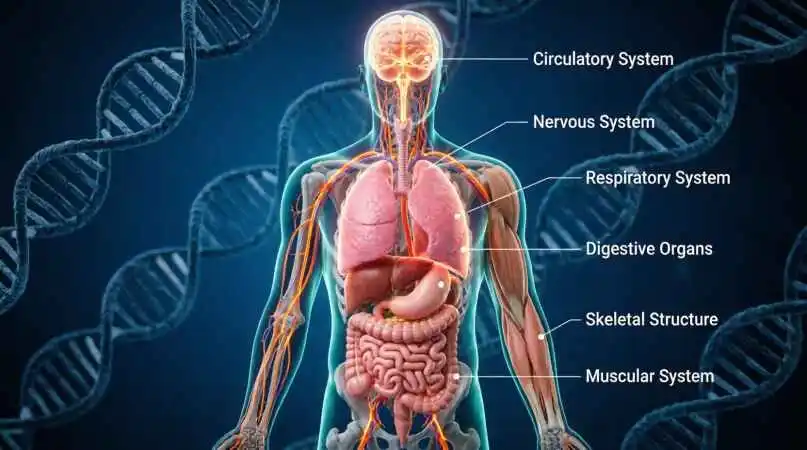
The human body consists of eleven major organ systems, each with specific functions that contribute to overall health and homeostasis. Below is a detailed list of these systems, their functions, and their importance.
Every breath you take, every thought you think, every beat of your heart is the result of
an astonishingly complex biological symphony playing silently inside you. The human body
is not merely a container for organs; it is a living, breathing metropolis of roughly 37 trillion
cells working in breathtaking coordination. From the moment you wake up to the second
you fall asleep, eleven interconnected vital systems labor tirelessly to keep you alive, alert,
and adapting. Understanding these systems is not just an academic exercise; it is the
foundation of self-awareness, healthier choices, and informed conversations with medical
professionals.
This blog unpacks the eleven vital systems of the human body, the specific functions
they perform, and the ways they collaborate to maintain balance, a state scientists call
homeostasis. Whether you are a student preparing for an exam, a fitness enthusiast curious
about how your muscles grow, or simply a lifelong learner, you will walk away with a clearer
picture of the biological machinery that makes you, you. We will also answer thirty of the
most frequently asked questions about the human body, surface eleven powerful keywords
for further exploration, and provide an image prompt you can use to generate a stunning
visual accompaniment for this article. Think of what follows as a guided tour through your
own interior landscape, one that will leave you marveling at how much is happening inside
you right now, without your conscious effort.
The Eleven Vital Systems That Keep You Alive
1. The Circulatory System: Your Body’s Highway
The circulatory system, also called the cardiovascular system, is a vast network of blood
vessels that delivers oxygen, nutrients, hormones, and immune cells to every corner of your
body while ferrying away carbon dioxide and metabolic waste. At its center sits the heart, a
fist-sized muscular pump that beats roughly 100,000 times each day, pushing about 7,500
liters of blood through approximately 100,000 kilometers of vessels. Arteries carry oxygenrich blood away from the heart, veins return oxygen-depleted blood back, and capillaries,
so thin that red blood cells must pass through single-file, are where the actual exchange of
gases and nutrients occurs. Without this system, no cell in your body would survive more
than a few minutes.
2. The Respiratory System: Breathing Life Into Every Cell
The respiratory system is responsible for gas exchange, taking in oxygen and expelling
carbon dioxide. Air enters through the nose or mouth, travels down the trachea, and
branches into two bronchi that lead into the lungs. Inside the lungs, the bronchi divide into
smaller bronchioles ending in tiny air sacs called alveoli. There are roughly 480 million
alveoli in a healthy adult, and if you were to spread their surface flat, it would cover a tennis
court. Oxygen diffuses across the alveolar walls into the surrounding capillaries, while
carbon dioxide moves in the opposite direction to be exhaled. The diaphragm, a domeshaped muscle below the lungs, contracts and relaxes to drive this rhythmic exchange
about 20,000 times per day.
3. The Digestive System: Turning Food Into Fuel

The digestive system is a roughly nine-meter-long tube that transforms the food you eat
into molecules your cells can use. It begins in the mouth, where mechanical chewing and
salivary enzymes start breaking down carbohydrates. The food then travels down the
esophagus into the stomach, where hydrochloric acid and pepsin tackle proteins. From
there, the partially digested chyme enters the small intestine, where bile from the liver and
enzymes from the pancreas dismantle fats, proteins, and carbohydrates into absorbable
units. The lining of the small intestine is covered in millions of finger-like villi that
dramatically increase absorption surface. What remains moves into the large intestine,
where water is reclaimed and gut bacteria ferment leftover fiber, before waste is finally
eliminated.
4. The Nervous System: Your Body’s Command Center
The nervous system is the body’s communication network, faster than any fiber-optic
cable, transmitting signals at speeds up to 120 meters per second. It is divided into the
central nervous system, which includes the brain and spinal cord, and the peripheral
nervous system, which branches out to every organ and limb. The brain alone contains
about 86 billion neurons, each connected to thousands of others through synapses,
forming trillions of pathways that underlie thought, memory, emotion, and movement.
Sensory neurons gather information from your eyes, ears, skin, and internal organs, motor
neurons carry commands to muscles and glands, and interneurons weave it all together
into coherent experience. Without this system, perception, learning, and intentional action
would be impossible.
5. The Skeletal System: The Framework That Holds You Up
The skeletal system is the body’s architectural framework, consisting of 206 bones in an
adult along with cartilage, ligaments, and joints. Beyond providing structure, bones protect
vital organs; the skull shields the brain, the rib cage guards the heart and lungs, and the
vertebrae encase the spinal cord. Bones are also living tissue, constantly being remodeled
by osteoblasts that build new bone and osteoclasts that break down old bone. The skeleton
is a mineral reservoir, storing and releasing calcium and phosphorus as needed, and the red
marrow inside long bones produces millions of red blood cells, white blood cells, and
platelets every single day, linking it intimately to both the circulatory and immune systems.
6. The Muscular System: The Engine of Movement
The muscular system comprises over 600 muscles accounting for about 40 percent of
total body weight. There are three types: skeletal muscles attached to bones for voluntary
movement, smooth muscles lining organs and blood vessels for involuntary functions like
digestion, and cardiac muscle found only in the heart. Muscles work by contracting, and
they generally operate in opposing pairs, so when one muscle group contracts, its partner
relaxes to produce smooth, controlled motion. Every step you take, every word you speak,
and every heartbeat relies on this contractile machinery, which itself depends on calcium
ions, ATP energy, and electrical signals from the nervous system.
7. The Endocrine System: The Chemical Messenger Network
The endocrine system governs long-term regulation through hormones, chemical
messengers secreted directly into the bloodstream by glands such as the pituitary, thyroid,
adrenal, pancreas, ovaries, and testes. Where the nervous system acts in milliseconds, the
endocrine system works in minutes, hours, or even days, controlling growth, metabolism,
reproduction, mood, sleep cycles, and stress response. The pituitary gland, no larger than a
pea, is often called the master gland because it directs many others. Insulin from the
pancreas regulates blood sugar, thyroid hormones set the body’s metabolic pace, and
cortisol from the adrenal glands helps you respond to stress. Even small hormonal
imbalances can ripple across the entire body, which is why endocrine health is so central to
overall wellbeing.
8. The Immune System: Your Built-In Defense Force
The immune system is a layered defense network that protects against pathogens,
toxins, and even rogue cells within the body. The first line of defense is physical and
Vital Systems & Functions of the Human Body
Page 4 | Human Biology Blog Series
chemical barriers like the skin, mucus, and stomach acid. Behind that stand the innate
immune cells, including macrophages and neutrophils, which respond rapidly and broadly.
If they cannot contain the threat, the adaptive immune system kicks in, led by T cells that
destroy infected cells and B cells that produce antibodies targeting specific invaders.
Remarkably, the adaptive system remembers past infections, which is why vaccines work
and why you typically get chickenpox only once. The lymphatic system, with its network of
vessels and nodes, serves as the highway for immune cells throughout the body.
9. The Integumentary System: Your Living Armor
The integumentary system is your body’s largest organ system, and it is anchored by the
skin, which alone weighs about 4 kilograms and covers roughly 2 square meters. The skin
has three layers: the waterproof epidermis, the thicker dermis housing blood vessels and
nerves, and the subcutaneous hypodermis storing fat for insulation and energy. Hair, nails,
sweat glands, and sebaceous glands are also part of this system. Together, they regulate
body temperature through sweating and blood vessel dilation, synthesize vitamin D when
exposed to sunlight, excrete small amounts of waste, and provide the first physical barrier
against microbes, UV radiation, and dehydration. The skin is also rich in sensory receptors
that let you feel pressure, temperature, and pain.
10. The Urinary System: The Body’s Filtration Plant
The urinary system, sometimes called the renal system, filters blood, removes waste,
and maintains fluid and electrolyte balance. The two kidneys, bean-shaped organs about
the size of a fist, contain around one million tiny filtering units called nephrons. Every day,
these nephrons process roughly 180 liters of blood, reabsorbing almost everything the
body still needs and producing about 1.5 liters of urine containing urea, excess salts, and
toxins. The urine travels through ureters to the bladder, which stores it until voluntary
release through the urethra. Beyond waste removal, the kidneys regulate blood pressure
through the renin-angiotensin system, stimulate red blood cell production through
erythropoietin, and help maintain the body’s acid-base balance.
11. The Reproductive System: The Continuity of Life
The reproductive system ensures the continuation of the species and produces
hormones that shape secondary sexual characteristics. In males, the testes produce sperm
and testosterone, while a network of ducts and glands including the prostate and seminal
vesicles delivers semen during ejaculation. In females, the ovaries produce eggs and the
hormones estrogen and progesterone, which regulate the menstrual cycle and prepare the
uterus for pregnancy. The fallopian tubes capture released eggs and provide the site for
fertilization, while the uterus nurtures a developing fetus for nine months. Though not
essential for individual survival, the reproductive system is deeply intertwined with
endocrine, circulatory, and immune function, and it underpins the emotional and social
fabric of human life.
When Systems Sync: The Magic of Homeostasis
None of these eleven systems works in isolation. When you exercise, your muscles
demand more oxygen, so your respiratory rate climbs, your heart pumps faster, your blood
vessels dilate, your sweat glands cool you down, and your endocrine system releases
adrenaline. When you eat a heavy meal, blood is redirected to your digestive tract, your
pancreas releases insulin, and your nervous system shifts toward parasympathetic restand-digest mode. This constant, dynamic coordination is called homeostasis, and it is the
single most important concept in human physiology. Disease, in essence, is the breakdown
of homeostasis; health is its preservation. By understanding how these systems interact,
you gain not only a deeper appreciation for the body you inhabit but also a powerful lens
for making choices that support its delicate, magnificent balance.
The next time you climb a flight of stairs, savor a meal, or recover from a cold, take a
moment to acknowledge the silent choreography unfolding within you. Every breath, every
heartbeat, every wandering immune cell is part of an ancient biological inheritance refined
over millions of years of evolution. Caring for your body, through nourishing food, regular
movement, adequate sleep, and mindful stress management, is ultimately a way of
honoring that inheritance and giving each of these eleven vital systems the conditions they
need to keep you thriving. The journey ahead will illuminate not just how each system
works in isolation, but how they whisper to one another in a continuous biochemical
dialogue, reminding us that health is never the achievement of a single organ, but the
graceful harmony of them working as one.
- Nervous System
Role: The nervous system acts as the control center, sending signals to regulate the activities of other systems.
Interactions:
Muscular System: It directs muscle contractions for movement and reflex actions.
Endocrine System: Coordinates with hormonal signals to manage long-term bodily functions like growth and metabolism. - Cardiovascular System
Role: Transports oxygen, nutrients, hormones, and waste products throughout the body.
Interactions:
Respiratory System: Works closely to deliver oxygen to blood in the lungs and remove carbon dioxide from it.
Digestive System: Absorbs nutrients from digested food into the bloodstream for distribution. - Digestive System
Role: Breaks down food into nutrients and eliminates waste.
Interactions:
Cardiovascular System: Nutrients absorbed from digestion are transported via blood to various cells in the body.
Nervous System: Regulates digestive processes through autonomic control, ensuring efficient breakdown and absorption of food4. - Respiratory System
Role: Facilitates gas exchange—bringing in oxygen and expelling carbon dioxide.
Interactions:
Cardiovascular System: Oxygen is picked up by blood in the lungs and delivered to tissues; carbon dioxide is transported back to the lungs for exhalation
Nervous System: Controls breathing rate based on carbon dioxide levels in the blood. - Endocrine System
Role: Releases hormones that regulate various bodily functions.
Interactions:
Nervous System: Works with the nervous system to coordinate immediate responses (like fight-or-flight) and longer-term processes (like growth) through hormonal signals25.
Reproductive System: Hormones regulate reproductive functions and development5.
Muscular System
Role: Enables movement and generates heat.
Interactions:
Skeletal System: Muscles attach to bones, allowing movement when muscles contract1.
Cardiovascular System: Muscles require oxygen delivered by blood for energy production during activity. - Skeletal System
Role: Provides structure, protection, and facilitates movement.
Interactions:
Muscular System: Bones serve as levers for muscle action
Cardiovascular System: Produces red blood cells in bone marrow, essential for oxygen transport. - Lymphatic and Immune Systems
Role: Protects against infections and maintains fluid balance.
Interactions:
Works with the cardiovascular system to filter pathogens from blood and transport immune cells throughout the body.
The systems of the body do not function in isolation; they are interdependent. For example, without proper respiratory function, the cardiovascular system cannot effectively deliver oxygen, which is vital for cellular metabolism across all systems. This interconnectedness emphasizes that a failure in one system can lead to dysfunctions in others, highlighting the importance of cooperation among all organ systems for overall health and survival.
FAQs
Q1. How many cells are in the human body?
A: Approximately 37 trillion cells make up the average adult human body, though estimates
vary depending on the counting method used.
Q2. Which is the largest organ in the body?
Vital Systems & Functions of the Human Body
Page 6 | Human Biology Blog Series
A: The skin is the largest organ, weighing about 4 kilograms and covering roughly 2 square
meters of surface area in an average adult.
Q3. How many times does the heart beat per day?
A: An average adult heart beats around 100,000 times per day, pumping approximately 7,500
liters of blood through the body.
Q4. What is the smallest bone in the human body?
A: The stapes, located in the middle ear, is the smallest bone, measuring about 3 millimeters in
length.
Q5. What is the largest bone in the human body?
A: The femur, or thigh bone, is the largest and strongest bone, capable of supporting up to 30
times an adult’s body weight.
Q6. How many muscles are in the human body?
A: There are over 600 named skeletal muscles, which together account for about 40 percent of
total body weight.
Q7. What is homeostasis?
A: Homeostasis is the body’s active process of maintaining stable internal conditions such as
temperature, pH, and blood sugar despite external changes.
Q8. How long is the digestive tract?
A: The entire digestive tract from mouth to anus is roughly 9 meters long in a living adult, with
most of that being the small intestine.
Q9. How many alveoli are in the lungs?
A: A healthy adult has approximately 480 million alveoli, providing a gas-exchange surface
roughly the size of a tennis court.
Q10. What is the function of red blood cells?
A: Red blood cells, or erythrocytes, transport oxygen from the lungs to tissues and carry carbon
dioxide back to the lungs for removal.
Q11. What do white blood cells do?
A: White blood cells, or leukocytes, defend the body against infections, viruses, bacteria, and
other foreign invaders as part of the immune system.
Q12. How much blood is in the human body?
A: An average adult has about 4.5 to 6 liters of blood, roughly 7 to 8 percent of total body
weight.
Vital Systems & Functions of the Human Body
Page 7 | Human Biology Blog Series
Q13. What is the largest gland in the body?
A: The liver is the largest gland, performing over 500 functions including detoxification, protein
synthesis, and bile production.
Q14. How many bones are in the adult human body?
A: A typical adult has 206 bones, while newborns are born with around 270 bones, many of
which fuse together as they grow.
Q15. What is the function of the nervous system?
A: The nervous system collects sensory input, processes information, and coordinates voluntary
and involuntary responses throughout the body.
Q16. How fast can nerve signals travel?
A: Nerve impulses can travel at speeds up to 120 meters per second along myelinated neurons,
faster than most highway speed limits.
Q17. What is the function of the kidneys?
A: The kidneys filter waste from blood, regulate fluid and electrolyte balance, control blood
pressure, and stimulate red blood cell production.
Q18. How much water should an adult drink daily?
A: General guidance suggests about 2 to 3 liters per day for adults, including water from food
and beverages, though individual needs vary.
Q19. What is the role of insulin in the body?
A: Insulin, produced by the pancreas, allows cells to take in glucose from the bloodstream for
energy and helps regulate blood sugar levels.
Q20. What is the largest muscle in the body?
A: The gluteus maximus, the main buttock muscle, is the largest by volume and is responsible
for hip extension and upright posture.
Q21. How does the body regulate temperature?
A: The body regulates temperature through sweating, blood vessel dilation or constriction,
shivering, and behavioral responses controlled by the hypothalamus.
Q22. What is the function of the lymphatic system?
A: The lymphatic system drains excess fluid, transports dietary fats, and serves as a major
pathway for immune cells throughout the body.
Q23. How long can a person survive without water?
Vital Systems & Functions of the Human Body
Page 8 | Human Biology Blog Series
A: Most healthy individuals can survive about 3 to 7 days without water, depending on
temperature, activity, and overall health.
Q24. How long can a person survive without food?
A: With adequate water, a healthy adult can typically survive 30 to 60 days without food,
though this varies significantly by individual.
Q25. What is the most common blood type worldwide?
A: Type O positive is the most common blood type globally, though distributions vary
considerably across regions and ethnicities.
Q26. What is DNA and where is it found?
A: DNA, or deoxyribonucleic acid, is the molecule that carries genetic instructions and is found
primarily in the nucleus of every cell.
Q27. How many chromosomes do humans have?
A: Humans typically have 46 chromosomes arranged in 23 pairs, with one set inherited from
each biological parent.
Q28. What is the function of the spleen?
A: The spleen filters blood, recycles old red blood cells, stores platelets, and supports immune
function by producing lymphocytes.
Q29. Why do we yawn?
A: Yawning likely helps regulate brain temperature, increase alertness, and may also serve a
social or communicative function in groups.
Q30. What is metabolism?
A: Metabolism is the sum of all chemical reactions in the body that convert food into energy and
build or break down molecules for growth and repair.
Q31: How can I keep my cardiovascular system healthy?
A : To maintain a healthy heart and blood vessels, engage in at least 150 minutes of moderate aerobic exercise per week, such as walking or cycling. Eat a diet rich in fruits, vegetables, whole grains, and lean proteins while limiting saturated fats, salt, and processed foods; also, maintain a healthy weight and avoid smoking. Regular check-ups for blood pressure, cholesterol, and blood sugar levels can help detect issues early.
Q32: What are some ways to keep the respiratory system healthy?
A : Protect your lungs by avoiding smoking and secondhand smoke, and minimize exposure to air pollutants like dust or chemicals. Practice deep breathing exercises, stay physically active to strengthen lung capacity, and get vaccinated against respiratory infections like the flu and COVID-19. Maintaining good indoor air quality, such as using air purifiers in polluted areas, can also support respiratory health.
Q33: How can I support my digestive system?
A : Promote digestive health by eating a fiber-rich diet with plenty of fruits, vegetables, whole grains, and probiotics (found in yogurt or fermented foods) to aid gut bacteria. Stay hydrated, chew food thoroughly, and eat regular, balanced meals while limiting processed foods, alcohol, and excessive caffeine. If you experience persistent issues like bloating or constipation, consult a doctor for potential underlying conditions.
Q34: What tips can help keep the nervous system healthy?
A : Support your brain and nerves by getting 7-9 hours of quality sleep per night, managing stress through techniques like meditation or yoga, and engaging in mental activities such as reading or puzzles. Eat a nutrient-dense diet with omega-3 fatty acids (from fish or nuts), vitamins (like B12 from eggs and meat), and antioxidants (from berries), and limit alcohol and substance use to prevent damage.
Q35: How do I keep my immune system strong?
A : Boost your immune system by maintaining a balanced diet full of vitamins C and D (from citrus fruits, leafy greens, and sunlight), getting regular exercise, and ensuring 7-9 hours of sleep nightly. Practice good hygiene, such as washing hands frequently and getting vaccinated, and manage stress to reduce inflammation. Avoid excessive sugar and processed foods, as they can weaken immune responses.
Q36: What are some ways to maintain the muscular and skeletal systems?
A : Strengthen muscles and bones through weight-bearing exercises like weightlifting or walking for at least 30 minutes most days, and incorporate stretching to improve flexibility. Consume a diet rich in calcium (from dairy or fortified plant milks), vitamin D (from sunlight or supplements), and protein (from lean meats or beans) to support bone density and muscle repair. Avoid prolonged sitting and maintain good posture to prevent strain.
By incorporating these habits into your daily routine, you can promote the health of your body’s interconnected systems. If you have specific health concerns, always seek advice from a qualified healthcare provider for tailored recommendations. Staying proactive with regular check-ups and a healthy lifestyle is key to long-term well-being!
Medical Disclaimer:
The information provided on this website is for general educational and informational purposes only and is not intended as a substitute for professional medical advice, diagnosis, or treatment. Always seek the advice of your physician or other qualified health provider with any questions you may have regarding a medical condition. Never disregard professional medical advice or delay in seeking it because of something you have read on this website.
