
Table of Contents
 Natural Health boosters – Unveiling the Health Benefits of Anise
Health Benefits of Anise
Anise, also known as aniseed, is a fragrant spice known for its licorice-like flavor, has been used for centuries in culinary and medicinal practices. This article will delve into the various health benefits of anise and how incorporating it into your diet can positively impact your well-being.
Anise, scientifically known as Pimpinella anisum, is a flowering plant native to the Mediterranean region. Its seeds are used as a spice in various cuisines around the world, prized for their sweet and aromatic taste. Anise is commonly used in baked goods, teas, and liquors, adding a unique flavor profile to dishes.
From baked goods and herbal teas to liquors, anise adds a unique flavor profile to countless dishes, while ancient Greek, Roman, and Ayurvedic traditions also relied on it as a healing remedy. Yet its value extends far beyond the kitchen. This article delves into the various health benefits of anise and how incorporating it into your diet can positively impact your well-being.
Rich in Nutrients

Anise seeds are packed with essential nutrients such as iron, calcium, magnesium, and vitamin C. Iron supports oxygen transport and energy production, calcium and magnesium strengthen bones and teeth, and vitamin C boosts immunity. Although typically consumed in small amounts, anise still contributes meaningful minerals and protective plant compounds to the daily diet.
Digestive Aid
Anise is renowned for its digestive properties, helping to relieve bloating, gas, and indigestion. As a natural carminative, it soothes the digestive tract, and by stimulating the production of digestive enzymes, it ensures food is broken down efficiently. A warm cup of anise tea after meals is a time-honored remedy for calming an upset stomach and supporting overall gut comfort.
Respiratory Health
Anise has been traditionally used to alleviate respiratory conditions such as coughs and bronchitis. Its expectorant properties help loosen mucus and ease congestion, making it a gentle natural remedy for colds and seasonal breathing discomfort. Anise tea sweetened with honey remains a beloved traditional soother for sore throats.
Antioxidant Properties
Anise seeds are rich in antioxidants, such as flavonoids and phenolic compounds, including anethole—the compound responsible for the seed’s signature aroma. These antioxidants combat oxidative stress and reduce inflammation in the body. By protecting cells from free-radical damage, they may lower the risk of chronic diseases and support healthy aging.
Hormonal Balance
Anise contains phytoestrogens, plant compounds that mimic the hormone estrogen in the body. This can help regulate hormonal balance, especially in women experiencing menopausal symptoms like hot flashes and mood swings, offering gentle, natural support during hormonal transitions.
Pain Relief
Anise has analgesic properties that can alleviate mild pain and discomfort. It is often used in natural remedies to relieve headaches, menstrual cramps, and muscle aches, making it a versatile ally for everyday wellness.
Antimicrobial Effects
Anise exhibits antimicrobial properties that can help fight off certain bacteria and fungi, supporting the body’s natural defenses and even featuring in traditional oral-hygiene practices.
Skin Health
These same antimicrobial qualities benefit the skin by helping prevent infections, calming minor irritations, and promoting a clear, healthy complexion—whether applied in topical preparations or enjoyed as part of the diet.
Simple Ways to Use Anise
Sprinkle ground anise into baked goods, steep whole seeds in hot water for a soothing tea, or add it to soups, stews, and roasted vegetables for a sweet, aromatic lift.
From digestion and respiration to hormones and skin, anise is a small seed with impressively wide-ranging benefits. By incorporating it into your meals and teas, you can enjoy both its distinctive flavor and its wellness-supporting properties. As with any dietary change, consult a healthcare provider if you are pregnant, nursing, or taking medication.
Methods of Intake
Whole Seeds: Anise seeds can be used whole to add a distinctive licorice-like flavor to a variety of dishes. They are commonly sprinkled on baked goods such as breads and pastries, tossed into salads for an aromatic crunch, or added to savory dishes for an extra layer of taste. The seeds can also be lightly toasted to enhance their flavor before use.
Ground Anise: Ground anise is a versatile spice that blends smoothly into recipes, making it ideal for baked goods like cookies, cakes, and muffins. It can also be used in spice blends, adding warmth and sweetness to desserts and even some savory dishes. Using the ground form allows for even distribution of anise’s flavor throughout the dish.
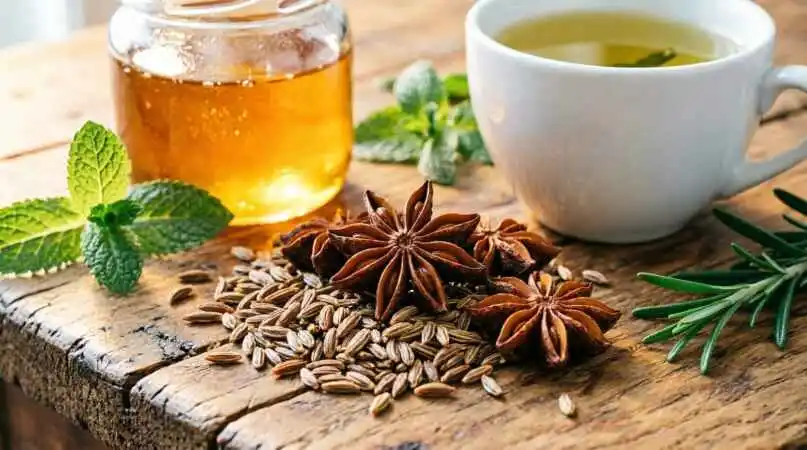
Anise Tea: Anise tea is made by steeping whole anise seeds in hot water. This herbal infusion is known for its soothing and digestive properties. To enhance the taste and health benefits, many people add natural sweeteners like honey or a slice of lemon. Drinking anise tea warm can be relaxing and comforting, especially during cold weather or digestive discomfort.
Essential Oil: Anise essential oil is concentrated and potent. It is used in aromatherapy to promote relaxation and relieve respiratory issues. When applied topically, it should always be diluted with a carrier oil to prevent skin irritation. The oil is prized for its antimicrobial and anti-inflammatory properties, making it useful in natural health practices.
Cooking Spice: Anise seeds are a flavorful addition to soups, stews, and curries. Their sweet and slightly spicy notes can enhance the depth and complexity of these dishes. In many cuisines, anise is added during cooking to infuse the entire dish with its unique aroma.
Liquor: Anise is a fundamental ingredient in several traditional alcoholic beverages such as absinthe, ouzo, and sambuca. These drinks are known for their distinctive aniseed flavor, which provides a refreshing and aromatic profile. The use of anise in liquors highlights its cultural and culinary significance.
Herbal Supplements: For those seeking the health benefits of anise without culinary use, anise is available in capsule or tablet form as a dietary supplement. These supplements are often used to support digestion, respiratory health, and hormone balance, providing a convenient way to incorporate anise into a health routine.
Precautions
Anise is a popular herb used for its distinct flavor and medicinal properties, but certain precautions should be observed to ensure safe use.
First, anise may cause allergic reactions in some individuals, especially those allergic to plants in the Apiaceae family (such as celery, carrots, and parsley). If you experience symptoms like itching, swelling, or difficulty breathing after consuming anise, seek medical attention immediately.
Second, anise can interact with medications, particularly blood thinners like warfarin, increasing the risk of bleeding. It may also affect hormone-sensitive conditions, as it has estrogen-like effects. Therefore, people with hormone-related cancers or those taking hormone therapy should consult their doctor before use.
Third, excessive consumption of anise essential oil or extracts can be toxic, leading to symptoms like nausea, dizziness, or seizures. It is important to use anise in recommended amounts and avoid high doses unless supervised by a healthcare professional
FAQs
- What is anise?
Anise is an herbaceous plant native to the Mediterranean and Southwest Asia, belonging to the Apiaceae family. Its seeds are commonly used as a spice and in herbal remedies. Anise has a distinctive licorice-like flavor and is valued for its potential health benefits, such as aiding digestion and providing antioxidants. - What are the main health benefits of anise?
Anise is rich in antioxidants, vitamins, and minerals like iron and calcium. It may help improve digestion, reduce bloating, alleviate menstrual cramps, boost respiratory health, and act as an anti-inflammatory agent. Its compounds, such as anethole, contribute to these effects, but benefits vary by individual. - How does anise aid in digestion?
Anise seeds contain compounds that stimulate digestive enzymes and reduce gas and bloating. Drinking anise tea after meals can promote better digestion and relieve symptoms of indigestion, making it a popular natural remedy for gastrointestinal discomfort. - Is anise effective for relieving menstrual cramps?
Yes, anise has been traditionally used to ease menstrual pain due to its antispasmodic properties. The essential oil in anise may relax uterine muscles, reducing cramps and discomfort. However, it’s not a substitute for medical treatment—consult a doctor for severe symptoms. - What are the antioxidant properties of anise?
Anise is packed with antioxidants like flavonoids and phenolic acids, which help combat free radicals in the body. These can reduce oxidative stress, potentially lowering the risk of chronic diseases such as heart disease and cancer, though more research is needed. - Can anise help with respiratory issues?
Anise has expectorant properties that may help loosen mucus and relieve coughs, asthma, or bronchitis. It’s often used in herbal teas or lozenges to soothe the throat and improve breathing, but it should be used alongside medical advice for chronic conditions. - How can anise be used in daily health routines?
Incorporate anise into your routine by brewing it as a tea, adding seeds to meals, or using anise essential oil in aromatherapy. For health wonders, start with 1–2 teaspoons of seeds daily, but monitor for any adverse reactions and consult a healthcare provider. - Does anise have any anti-inflammatory effects?
Yes, the compounds in anise, particularly anethole, exhibit anti-inflammatory properties that may help reduce inflammation in conditions like arthritis or sore muscles. It could complement anti-inflammatory diets, but it’s not a cure-all. - Is anise safe for pregnant women?
Anise is generally considered safe in small amounts for cooking, but its estrogen-like effects might stimulate uterine contractions, so pregnant women should avoid large doses. Always consult a doctor before using anise for health purposes during pregnancy or breastfeeding. - What does anise taste like, and how does it affect health perception?
Anise has a sweet, licorice-like flavor that makes it appealing in foods and teas. This palatability can encourage people to consume it regularly, potentially enhancing its health benefits like improved digestion and mood, as the aroma may also reduce stress. - Can anise interact with medications?
Anise may interact with blood-thinning medications, hormone therapies, or drugs for diabetes due to its potential effects on blood sugar and estrogen levels. If you’re on medication, discuss anise use with a healthcare professional to avoid complications. - How does anise compare to other herbs like fennel?
Anise and fennel are similar in flavor and belong to the same family, but anise has stronger estrogen-like effects, making it more beneficial for menstrual health. Both aid digestion, but anise’s antioxidants may give it an edge in anti-aging properties. - Is anise helpful for sleep and relaxation?
Anise’s calming aroma and mild sedative properties can promote relaxation and improve sleep quality. Drinking anise tea before bed may help reduce anxiety, but it’s not a replacement for proven sleep aids—use it as part of a bedtime routine. - What are the nutritional facts of anise seeds?
A tablespoon of anise seeds (about 7 grams) provides roughly 20 calories, 1 gram of protein, 3 grams of fiber, and essential nutrients like iron (10% of daily value), calcium, and manganese. These nutrients support bone health, energy production, and overall wellness. - Can anise be used to boost immunity?
Anise’s antimicrobial and antioxidant properties may strengthen the immune system by fighting infections and reducing inflammation. Incorporating it into your diet, such as in soups or teas, could provide immune support, especially during cold seasons. - Are there any side effects of consuming anise?
While anise is generally safe, excessive consumption can cause allergic reactions, skin irritation, or digestive upset. Those with estrogen-sensitive conditions, like breast cancer, should limit intake. Start with small amounts to test tolerance. - What are the traditional uses of anise in medicine?
Historically, anise has been used in ancient Greek, Roman, and Egyptian medicine for treating digestive issues, coughs, and as a breath freshener. Its health wonders were documented in texts like those of Hippocrates, highlighting its role in natural healing. - Is anise safe for children and infants?
Anise is safe for children in small, culinary amounts, such as in flavored foods. However, due to its potential hormonal effects, avoid giving it to infants without medical advice. Anise-flavored teas have been used traditionally for colic, but consult a pediatrician first. - How can I grow anise at home for health benefits?
Anise is easy to grow in well-drained soil with full sun. Plant seeds in spring, harvest when the plant flowers, and dry the seeds for use. Homegrown anise ensures freshness, allowing you to enjoy its health wonders like antioxidants in teas or remedies. - What’s the best way to store anise for maximum health benefits?
Store anise seeds in an airtight container in a cool, dark place to preserve their antioxidants and flavor. Proper storage can keep them effective for up to a year, ensuring you retain the full health wonders like anti-inflammatory properties when used.
Medical Disclaimer:
The information provided on this website is for general educational and informational purposes only and is not intended as a substitute for professional medical advice, diagnosis, or treatment. Always seek the advice of your physician or other qualified health provider with any questions you may have regarding a medical condition. Never disregard professional medical advice or delay in seeking it because of something you have read on this website
