
Table of Contents
Q1: What is the Corrigan sign?
A1: The Corrigan sign, also known as “water-hammer pulse,” refers to a specific type of pulse characterized by a rapid rise and fall in strength, often described as a “bounding” pulse. It is typically associated with aortic regurgitation.
Q2: What are the features of aortic regurgitation?
A2: Aortic regurgitation is a condition where the aortic valve does not close properly, leading to backflow of blood from the aorta into the left ventricle. Features may include:

- Diastolic murmur heard best along the left sternal border.
- Symptoms of heart failure (e.g., shortness of breath, fatigue).
- The characteristic Corrigan sign or water-hammer pulse.
- Left ventricular dilation and hypertrophy on imaging.
Q3: Where is the Corrigan sign observed?
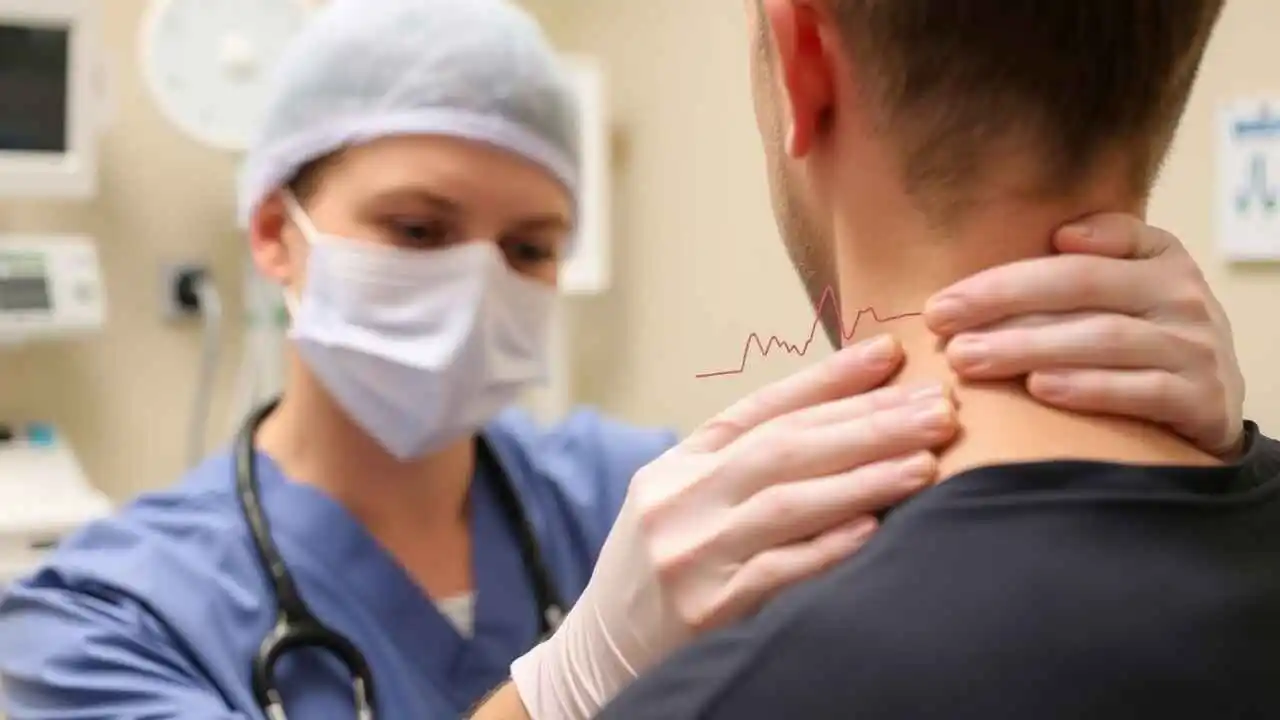
A3: The Corrigan sign is typically observed during a physical examination by healthcare providers. It is felt in the peripheral arteries, commonly at the radial or carotid artery, where the pulse can be palpated for assessment.
Q4: What are the treatment options for aortic regurgitation?
A4: Treatment for aortic regurgitation depends on the severity of symptoms and the degree of heart function impairment. Options may include:
- Monitoring: Regular follow-up for asymptomatic cases with mild regurgitation.
- Medications: To manage symptoms and prevent heart failure (e.g., diuretics, vasodilators).
- Surgery: Valve repair or replacement may be indicated in cases with severe regurgitation or significant symptoms.
Q5: Are there any natural remedies for aortic regurgitation?
A5: While there are no natural remedies that can cure aortic regurgitation, some lifestyle changes may support heart health, including:
- Adopting a heart-healthy diet rich in fruits, vegetables, whole grains, and lean proteins.
- Engaging in regular physical activity, as advised by a healthcare professional.
- Managing stress through relaxation techniques such as yoga or meditation.
- Avoiding smoking and moderating alcohol intake.
Always consult with a healthcare provider before making any lifestyle changes, particularly for individuals with heart conditions.
Q6: What is the prognosis for someone with aortic regurgitation?
A6: The prognosis for individuals with aortic regurgitation varies significantly depending on the severity of the condition and whether treatment is initiated. With regular monitoring and timely interventions, many patients can maintain a good quality of life. If left untreated and symptomatic, aortic regurgitation can lead to serious complications such as heart failure.
Q7: How can I recognize the symptoms of aortic regurgitation?
A7: Symptoms of aortic regurgitation may include:
- Exertional dyspnea (shortness of breath during physical activity).
- Fatigue and weakness.
- Palpitations or irregular heartbeat.
- Chest discomfort, particularly during exertion.
- Swelling in the ankles or feet.
If you experience any of these symptoms, it is crucial to consult a healthcare provider for proper evaluation and management. Medical Disclaimer:
The information provided on this website is for general educational and informational purposes only and is not intended as a substitute for professional medical advice, diagnosis, or treatment. Always seek the advice of your physician or other qualified health provider with any questions you may have regarding a medical condition. Never disregard professional medical advice or delay in seeking it because of something you have read on this website.
