
Table of Contents
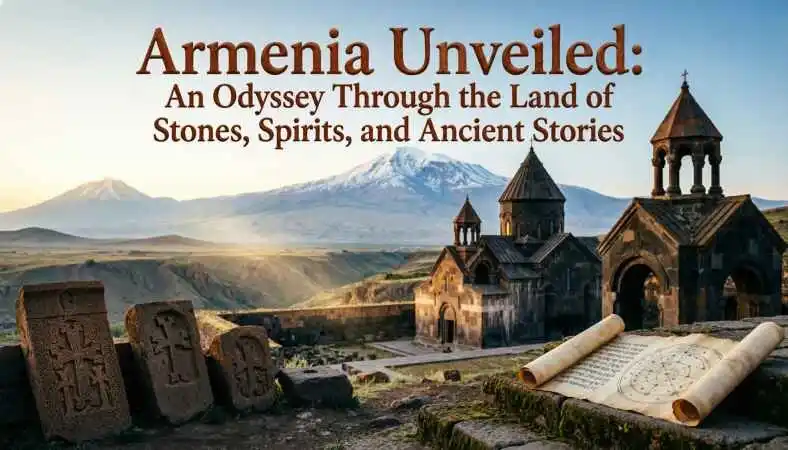
Armenia Unveiled: An Odyssey Through the Land of Stones, Spirits, and Ancient Stories
Introduction: The Land of the Mountains
Nestled in the South Caucasus region, bridging Europe and Asia, lies a landlocked gem that few travelers know intimately, yet those who do never forget it. Armenia is a country defined by its dramatic geography—a rugged terrain of soaring mountains, deep valleys, and sweeping plateaus. It is a land where the horizon is often dominated by the twin peaks of Mount Ararat, a national symbol that lies just across the border in modern-day Turkey but remains the spiritual heart of the Armenian people.
Often referred to as the “Land of Stones,” Armenia’s landscape is a testament to resilience. For millennia, civilizations have risen and fallen here, leaving behind a tapestry of history that rivals that of Greece or Italy. It was the first nation to adopt Christianity as its state religion in 301 AD, a fact that has shaped its cultural identity and left the countryside dotted with thousands of ancient monasteries, churches, and khachkars (cross-stones).
But Armenia is more than just a museum of ancient stones. It is a vibrant, living culture. It is the smell of smoky barbecue (khorovats) wafting through the streets of Yerevan, the taste of apricots that originated here, the rhythmic energy of the duduk flute, and the warmth of a people who have survived empires, genocide, and natural disasters with their spirits intact.
This comprehensive guide aims to peel back the layers of this complex nation. From the bustling cafes of the capital to the silent, windswept ruins of the south, we will explore where to go, what to eat, where to stay, and how to move through a country that is as challenging as it is beautiful.

Yerevan: The Pink City
Any journey through Armenia begins in Yerevan. Known as the “Pink City” due to the rosy volcanic tuff stone used in many of its buildings, Yerevan is one of the world’s oldest continuously inhabited cities, predating Rome by 29 years. Yet, despite its ancient roots, the city feels remarkably modern and youthful.
The Heart of the City: Republic Square. The architectural centerpiece of Yerevan is Republic Square. Designed by the legendary architect Alexander Tamanian in the 1920s, the square is a harmonious blend of Armenian national styles and Neoclassical architecture. By day, it is a hive of government business; by night, it transforms into a spectacle. The “Singing Fountains” come alive with a choreographed display of water, light, and music ranging from classical arias to modern pop. Surrounding the square are the History Museum of Armenia and the National Gallery, both essential stops for understanding the country’s deep past.
The Cascade and the Arts. A short walk north brings you to the Cascade, a giant limestone stairway that links the downtown area with the Monument neighborhood. It is not just a staircase; it is a monumental work of art. Inside the structure lies the Cafesjian Center for the Arts, housing a world-class collection of modern art, including works by Chagall, Warhol, and Picasso. Climbing the exterior steps rewards you with sweeping views of the city and, on a clear day, Mount Ararat in the distance. At the base of the Cascade lies the statue of Alexander Tamanian, gazing up at his vision of the city.
Northern Avenue and Opera Square Connecting Republic Square to the Opera House is Northern Avenue, a pedestrian boulevard lined with luxury shops, cafes, and modern apartments. It is the place to see and be seen. At its end lies the Freedom Square, home to the Armenian National Academic Theatre of Opera and Ballet. The area around the Opera is the city’s nightlife hub, filled with open-air cafes, jazz clubs, and bars that stay open until the early hours.
Tsitsernakaberd: A Solemn Reminder No visit to Yerevan is complete without visiting the Armenian Genocide Memorial Complex, Tsitsernakaberd, located on a hill overlooking the city. The memorial consists of a 44-meter stele symbolizing the national rebirth and a circular sanctuary with an eternal flame burning in memory of the 1.5 million victims of the 1915 genocide. The accompanying museum offers a moving and detailed history of the tragedy. It is a somber, essential experience that contextualizes the resilience of the Armenian people.
Religious Heritage: Monasteries and Sacred Sites
Armenia’s Christian heritage is not just a historical footnote; it is the beating heart of the nation. The landscape is scarred with monasteries, some perched precariously on cliffs, others hidden in lush forests.
Etchmiadzin: The Vatican of Armenia. Located just 20 km west of Yerevan, Etchmiadzin is the spiritual center of the Armenian Apostolic Church. The Etchmiadzin Cathedral, built in 301 AD by St. Gregory the Illuminator, is considered the oldest cathedral in the world. While the exterior has been renovated over the centuries, the core of the structure remains ancient. The complex includes the residence of the Catholicos (the head of the church) and several museums housing religious treasures, including the Holy Spear said to have pierced the side of Christ.
Geghard Monastery: The Cave of Light. A UNESCO World Heritage site, Geghard Monastery is carved directly into the side of a mountain cliff. Dating back to the 4th century, the complex is a masterpiece of medieval Armenian architecture. The name Geghard means “spear,” referring to the spear that wounded Jesus at the Crucifixion, which was allegedly brought here by the Apostle Thaddeus. The acoustics inside the main chapel are otherworldly; if you are lucky, you might hear a choir singing inside, the notes reverberating against the ancient stone walls. Near the entrance, you will find the River Azat flowing out of the mountain, adding to the serene atmosphere.
Khor Virap: The View of Ararat Perhaps the most iconic image of Armenia is the view of Mount Ararat from Khor Virap Monastery. Located near the closed border with Turkey, the monastery is steeped in history. It was here that St. Gregory the Illuminator was imprisoned in a deep pit (Khor Virap means “Deep Dungeon”) for 13 years before curing King Tiridates III of his madness and converting him to Christianity. Visitors can climb down a metal ladder into the pit to see the small chamber where the saint survived. The backdrop of the twin peaks of Ararat creates a scene of stunning beauty and profound symbolism.
Tatev Monastery and the Wings of Tatev Located in the Syunik Province in the south, Tatev Monastery is a 9th-century fortress-monastery perched on a basalt plateau above the Vorotan River gorge. Historically, it was a major center of learning and spirituality. Today, the journey to Tatev is as impressive as the destination itself. You take the “Wings of Tatev,” the world’s longest reversible cableway (5.7 km). The cable car glides over the deep gorge, offering breathtaking panoramic views. At the other end, the monastery is a sprawling complex with ancient oil presses and stunning views of the winding river below.
Noravank: The Red Cliff Set against the backdrop of stunning red brick cliffs, Noravank Monastery is a visual masterpiece. The 13th-century complex is famous for its unique architectural solution—a narrow cantilevered staircase leading to the second floor of the Surb Astvatsatsin church. The contrast between the deep red rocks and the intricate stone carvings of the church makes it a favorite for photographers.
Nature and Landscapes: Beyond the Stone
Lake Sevan: The Blue Pearl. At an altitude of 1,900 meters, Lake Sevan is one of the largest high-altitude freshwater lakes in the world. It is a summer escape for locals and tourists alike. The turquoise waters are framed by arid mountains, creating a unique microclimate. On the peninsula jutting into the lake sits Sevanavank Monastery, originally an island before water levels dropped. The view of the lake from the monastery walls, especially at sunrise, is unforgettable. The lake is also famous for its crayfish (known locally as “river lobster”) and a specific species of whitefish called ishkhan (prince), though the latter is currently endangered, and fishing is regulated.
Dilijan: The Swiss of Armenia. In the northern part of the country, the landscape changes dramatically. Dilijan is a resort town nestled in a lush forested valley, often compared to Switzerland. It is the gateway to Dilijan National Park, a haven for hikers and nature lovers. The town itself has a charming “Old Town” area with traditional wooden houses and cobblestone streets. Nearby, the Haghartsin and Goshavank monasteries are hidden in the forest, offering a mystical, fairytale atmosphere quite different from the stark stone monasteries of the south.
Jermuk: Town of Water Jermuk is a spa town famous for its mineral water. The town is surrounded by high mountains and is home to a massive waterfall and hot springs. Visitors can drink from the various “gallery” fountains scattered throughout the town, each offering water with different temperatures and mineral compositions. It is a place for relaxation and recuperation, with sanatoriums offering hydrotherapy treatments.
The Symphony of Stones Located in the Garni Gorge, the Symphony of Stones (or Basalt Organ) is a natural geological wonder. Massive hexagonal basalt columns hang like organ pipes from the cliff face, formed by the cooling and contracting of volcanic lava. It looks man-made, but nature is the sculptor here.
Armenian Cuisine: A Feast for the Senses
Armenian food is a reflection of its geography and history—hearty, mountain cuisine with strong influences from the Middle East and the Mediterranean. It is meat-heavy but offers plenty for vegetarians, relying heavily on fresh herbs, vegetables, and dairy.
The Staples
- Khorovats: The Armenian barbecue. It is not just meat on a stick; it is a cultural institution. The meat (usually pork) is often marinated in beer or onions and grilled over charcoal. The “karsi” (bone-in) khorovats is particularly flavorful.
- Lavash: The UNESCO-listed flatbread. It is soft, thin, and used to wrap everything from cheese and herbs to meat. It is baked in a tonir (underground clay oven), giving it a unique flavor.
- Dolma: Grape leaves stuffed with a mix of rice, meat, and herbs. The summer version, “Pasus Dolma,” uses cabbage leaves and dried fruits (apricots, raisins) for a unique sweet-and-savory profile.
- Harissa: A thick porridge of wheat and chicken (or lamb), traditionally cooked overnight. It is a dish of endurance, historically prepared for religious holidays.
- Khash: A winter soup made from boiled cow parts (hooves, head). It is a heavy dish eaten for breakfast, usually with vodka and garlic, meant to cure hangovers. It is a ritual, not just a meal.
Dairy and Herbs, Armenians are obsessed with greens. A typical table will be laden with tarragon, cilantro, dill, scallions, and basil. Matsun (yogurt) is a staple, used in soups like spas (yogurt and wheat soup) or served with honey for breakfast.
Street Food and Snacks
- Lahmajun: Often called “Armenian pizza,” this is a thin crust topped with minced meat, peppers, and tomatoes. It is rolled up and eaten by hand.
- Gata: A sweet pastry filled with a buttery, sugary mixture called khoreniz.
Drink
- Brandy: Winston Churchill famously loved Armenian brandy (specifically Dvin). The Ararat Brandy Factory in Yerevan offers tours and tastings.
- Wine: Armenia is one of the world’s oldest winemaking regions. The Areni region in the south produces excellent reds, and the Winery Map in Yerevan is a great place to sample them.
- Oghi: Fruit vodka. Mulberry oghi is the most famous, but apricot, pear, and grape versions are also popular.
Where to Eat: Recommendations
In Yerevan:
- Sherep Restaurant: Located near the Cascade, this place offers a rustic-modern atmosphere and excellent traditional food. The name means “ladle,” and the menu features all the classics done to perfection.
- Tavern Yerevan: A lively spot with live music every night. It serves authentic Armenian cuisine in a festive atmosphere.
- Dalan Art Gallery & Cafe: A hidden gem that combines an art gallery with a cozy cafe. The interior is eclectic, filled with antiques, and the menu is creative and delicious.
- Zizou Burger: For those craving a break from traditional food, this spot offers gourmet burgers that rival any in Europe.
- The Green Bean: A vegetarian-friendly cafe with excellent coffee and salads, located near the Opera.
Outside the Capital:
- Old Dilijan Complex: A historic hotel and restaurant complex with a cozy interior and traditional live music.
- Lor Restaurant (near Haghpat): Offers stunning views of the monastery and delicious local lamb.
- Karas (Goris): A great stop for lunch when heading to Tatev.
Accommodations: Where to Rest Your Head
Armenia’s hospitality sector has boomed in the last decade. Options range from ultra-luxury to rustic homestays.
Yerevan
- The Alexander, a Luxury Collection Hotel: The epitome of luxury in Yerevan, located near Republic Square. It offers world-class amenities and impeccable service.
- Armenia Marriott Hotel Yerevan: A classic choice with a prime location on Republic Square.
- Kantar Hostel & Tours: A highly rated hostel perfect for backpackers. It has a social vibe and offers tours to remote parts of the country.
- Hell’s Kitchen B&B: A quirky and comfortable bed and breakfast with a fantastic restaurant and live jazz.
- Imperial Palace Hotel Yerevan: A mid-range boutique option with a relaxing courtyard.
Regional Gems
- Tufenkian Old Dilijan Hotel: A beautiful boutique hotel set in a restored historic building, offering a taste of 19th-century elegance.
- Ararat Hotel (Goris): A comfortable and clean option in the southern town of Goris, serving as a base for Tatev and Khndzoresk.
- Bed and Breakfast Homestays: In villages like Garni and Geghard, locals open their homes to travelers. This is the best way to experience authentic hospitality and home-cooked meals.
Commuting Around: Logistics and Transport
Navigating Armenia can be an adventure. The terrain is mountainous, and infrastructure varies.
The Zvartnots International Airport is about 12 km west of Yerevan. Taxis are plentiful and reasonably priced (fixed rates to the city center). Apps like Yandex Taxi are widely used and prevent haggling.
Intercity Travel
- Marshrutkas (Minibuses): This is the cheapest and most common way to travel. They connect almost every town and village. They are fast, often cramped, and leave when full. No tickets are sold in advance; you pay the driver. It is an experience in local culture, but it can be confusing for non-Armenian speakers.
- Trains: The railway system is limited. The main line runs from Yerevan to Gyumri and Batumi (Georgia) in the summer. It is a scenic route, but slower than the bus.
- Taxis/Private Drivers: For long distances (like to Tatev or Dilijan), hiring a private taxi for the day is affordable and convenient. Negotiate the price beforehand or use a trusted driver recommended by your hotel.
- Car Rental: Renting a car offers the most freedom. Roads between major cities are generally good. However, rural roads can be in poor condition, and Armenian driving styles are aggressive. GPS navigation works well, but be prepared for roaming livestock and potholes.
Within Yerevan The metro system is clean, cheap, and efficient, covering most of the central areas. Buses and trolleybuses are also available. Walking is the best way to explore the center, as traffic can be heavy.
