
Table of Contents
Life in a Bag: Unveiling the Science, Types, and Administration of IV Fluids
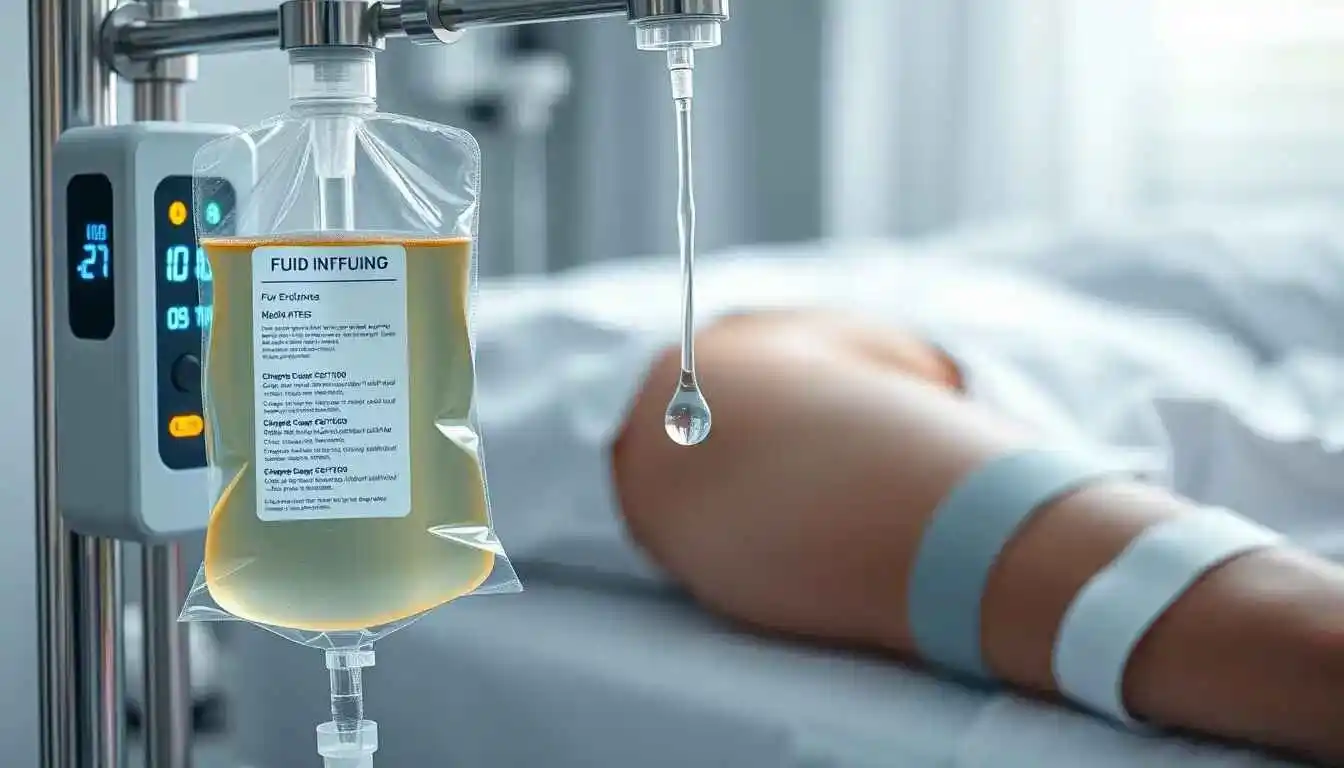
If you have ever stepped foot inside a hospital room, an emergency department, or an ambulatory surgery center, you have almost certainly seen them. They hang from metal poles like translucent, plastic stalactites, attached to long, snaking tubes that disappear beneath a patient’s skin. To the layperson, they all look roughly the same: clear bags of water. But to a doctor, a nurse, or a paramedic, those bags are meticulously engineered lifelines. They are not just water; they are precisely balanced chemical solutions designed to manipulate human physiology at a cellular level.
Intravenous (IV) fluid therapy is arguably the most common medical procedure performed worldwide. It is the foundational treatment for everything from a mild case of gastroenteritis to massive trauma from a car accident. Despite its ubiquity, the science behind what goes into those bags, how they interact with human cells, and how they are delivered is incredibly complex.
To truly understand modern medicine, you must understand intravenous fluids. What exactly are they? Why are there so many different types? How do doctors choose the right one? And how exactly does that clear liquid make the journey from a plastic bag into a patient’s bloodstream?
What is Intravenous (IV) Fluid?
The term “intravenous” simply means “within a vein.” IV fluid therapy is the medical practice of delivering liquid substances directly into a patient’s vein.

Why not just give a patient a glass of water to drink? Oral rehydration is always the preferred method when possible because it is natural, cheap, and safe. However, there are three primary scenarios where drinking water is either impossible or insufficient:
- Inability to Intake: The patient is unconscious, experiencing severe vomiting, has a blocked gastrointestinal tract, or is preparing for surgery (where their stomach must be empty to prevent aspiration).
- Inability to Absorb: In severe cases of cholera, Crohn’s disease, or profound shock, the lining of the gut shuts down. Even if the patient drinks water, it will not be absorbed into the bloodstream; it will simply pass through or pool in the stomach.
- Need for Rapid Effect: When a patient is bleeding out or suffering from severe dehydration, time is critical. The digestive tract is slow, taking hours to absorb water. An IV line delivers fluids directly into the central circulation, taking effect within minutes.
At its core, the human body is a massive sack of water. Water makes up roughly 60% of an adult’s body weight. This water is divided into two main compartments: Intracellular Fluid (ICF), which makes up about two-thirds of the water and exists inside the trillions of cells in your body; and Extracellular Fluid (ECF), which makes up the remaining one-third and exists outside the cells (in the blood plasma, the spaces between tissues, and lymph).
IV fluids are specifically designed to manipulate the Extracellular Fluid—primarily the blood plasma—to restore volume, deliver medications, and correct chemical imbalances.
The Golden Rule: Understanding Tonicity
Before diving into the specific types of IV fluids, you must understand the most important concept in fluid dynamics: Tonicity. Tonicity refers to the relative concentration of solutes (like sodium and potassium) in a solution compared to the concentration inside the human cell. This determines whether water will move into or out of the cells.
Water is lazy; it always wants to be in balance. Through a process called osmosis, water will naturally flow across a cell membrane from an area of low solute concentration to an area of high solute concentration.
Based on this, IV fluids are categorized into three distinct types:
- Isotonic (Iso = Equal): The fluid has the same concentration of solutes as the cells. The water does not move into or out of the cell. It stays exactly where it is injected—in the bloodstream. This is used to expand blood volume without messing with the cells.
- Hypotonic (Hypo = Low): The fluid has a lower concentration of solutes than the cells. Because the fluid is more “watery” than the cell, water rushes into the cells to balance things out. This is used when cells are dehydrated, but giving too much can cause cells to swell and burst.
- Hypertonic (Hyper = High): The fluid has a higher concentration of solutes than the cells. Because the blood is now “saltier” than the cell, water is sucked out of the cells and into the bloodstream. This is used to reduce brain swelling or rapidly correct severe sodium deficiencies, but giving too much can cause cells to shrivel up and die.
Kinds of IV Fluids: Crystalloids vs. Colloids
IV fluids are broadly divided into two major categories: Crystalloids and Colloids.
- Crystalloids: The Mineral Waters
Crystalloids are clear aqueous solutions of mineral salts and other small molecules that can easily pass through the semipermeable membranes of blood vessels and cell walls. They are the workhorses of medicine, making up about 80% of all IV fluids given.
Isotonic Crystalloids:
- 0.9% Sodium Chloride (Normal Saline / NS): This is the absolute classic. It is essentially saltwater that matches the concentration of sodium in the human blood (154 mEq/L). Because it is isotonic, it stays in the blood vessels, rapidly expanding the blood volume. It is the go-to fluid for severe bleeding, shock, and mild hyponatremia (low sodium). The Catch: Normal saline contains a lot of chloride. If a patient receives massive amounts of NS, it can cause hyperchloremic metabolic acidosis (the blood becomes too acidic), which can harm the kidneys.
- Lactated Ringer’s (LR or Hartmann’s Solution): This is a more balanced, physiologically elegant fluid. It contains sodium, potassium, calcium, and chloride, but it also contains lactate. The lactate is metabolized by the liver into bicarbonate, which acts as a buffer to prevent the blood from becoming too acidic. LR is widely considered superior to Normal Saline for trauma resuscitation, burn victims, and surgery because it treats the whole patient, not just the blood volume. The Catch: It contains potassium, so if a patient has severe kidney failure (which prevents them from excreting potassium), LR can cause deadly hyperkalemia.
Hypotonic Crystalloids:
- 0.45% Sodium Chloride (Half Normal Saline / 0.45% NS): This is exactly what it sounds like—half the salt of Normal Saline. Because it is hypotonic, it provides free water that will hydrate the cells. It is typically used for patients with high sodium levels (hypernatremia) or to provide daily maintenance fluids for children and infants (who have a higher percentage of body water).
- 5% Dextrose in Water (D5W): This is pure water with a small amount of sugar (dextrose) dissolved in it to make it isotonic in the bag. However, once it enters the bloodstream, the body’s cells rapidly consume the dextrose for energy. Once the sugar is gone, you are left with pure, distilled water in the blood. Therefore, D5W acts as a hypotonic fluid in the body. It is excellent for providing pure hydration and a vehicle for certain medications, but it is terrible for expanding blood volume in a trauma patient (it will just cause the blood cells to swell).
Hypertonic Crystalloids:
- 3% Sodium Chloride (Hypertonic Saline): This is three times saltier than normal blood. It acts like a sponge, aggressively sucking fluid out of swollen tissues (especially the brain) and pulling it into the bloodstream. It is strictly used in neurology and neurosurgery for patients with traumatic brain injuries or severe cerebral edema (brain swelling). It must be monitored closely in an Intensive Care Unit (ICU).
- Colloids: The Protein Sponges
Colloids are large molecular-weight solutions, usually containing proteins or synthetic starches. Because the molecules are so large, they cannot easily leak through the walls of the blood vessels. They act like tiny sponges, staying inside the vascular space and pulling fluid in from the surrounding tissues.
Examples include Albumin (a purified human blood protein) and synthetic starches like Hetastarch or Gelofusine.
The Great Debate: For decades, there has been a massive debate in critical care about whether colloids or crystalloids are better for resuscitating critically ill patients. Colloids theoretically stay in the blood vessels better than crystalloids (which eventually leak out into the tissues). However, massive meta-analyses (like the SAFE study and the 6S trial) have shown that colloids do not significantly improve survival rates compared to crystalloids, and synthetic colloids can actually cause kidney damage and bleeding complications. Today, the medical consensus is that crystalloids are the first-line treatment for almost all fluid resuscitation. Colloids are reserved for very specific situations, such as patients with severely low blood protein levels (hypoalbuminemia) or severe liver disease.
The Purpose: Why Are We Pouring Fluid In?
Doctors don’t just randomly pick a bag off the shelf. The choice of fluid is dictated by the specific physiological goal. These goals fall into four main categories:
- Resuscitation (Volume Expansion): This is a medical emergency. The patient is dying from a lack of blood volume due to hemorrhage (trauma), severe dehydration (cholera), or widespread infection (sepsis). The goal is to push large volumes of an isotonic crystalloid (usually Lactated Ringer’s or Normal Saline) as fast as possible, usually through large-bore IVs, to keep the blood pressure up and perfuse the vital organs.
- Replacement: The patient is actively losing fluids through a specific route. If a patient has severe diarrhea, they are losing water and potassium. If they have a fever, they are losing water through sweat and respiration. The IV fluid is tailored to replace exactly what is being lost (e.g., using a potassium-containing fluid like LR for a vomiting patient).
- Maintenance: The patient cannot eat or drink (NPO) for an extended period, such as before surgery or after a stroke. The goal is to provide the exact amount of water and electrolytes the body needs to survive for 24 hours without causing dehydration or fluid overload.
- As a Vehicle: Often, the fluid is just a taxi. The primary purpose isn’t to hydrate, but to deliver medications (like antibiotics, pain medication, or chemotherapy) that cannot be given orally, or to dilute blood products for a safe transfusion.
The Administration: From Bag to Bloodstream
Delivering IV fluid is a skill that requires anatomical knowledge, sterile technique, and continuous monitoring.
Vascular Access: To get the fluid into the vein, a healthcare provider must establish access. This is done using an Intravenous Catheter (often called an “IV” or “cannula”). This is a tiny, flexible plastic tube placed over a sharp needle. The needle punctures the vein, the plastic tube slides off the needle and stays inside the vein, and the needle is discarded.
- Peripheral IVs: These are placed in the veins of the arms or hands. They are the easiest to put in, but are small. They are perfect for maintenance fluids and routine medications.
- Central Venous Catheters (CVCs or “Central Lines”): Placed in the large veins of the neck (jugular), chest (subclavian), or groin (femoral) under ultrasound guidance. These long tubes thread all the way into the superior vena cava (the massive vein that leads directly into the heart). Central lines are used when patients need massive amounts of fluid very quickly (trauma), when they need highly irritating medications (chemotherapy), or when peripheral veins have collapsed.
- PICC Lines: A Peripherally Inserted Central Catheter is threaded from an arm vein up into the chest. It is used for patients who need IV antibiotics or nutrition for weeks at a time at home.
The Tubing and Drip Chambers. The IV bag is connected to a long, sterile plastic tube that ends in the patient’s catheter. Halfway down the tube is a clear plastic chamber called the “drip chamber.” This chamber allows the nurse to see the fluid falling drop by drop.
To control how fast the fluid goes in, a manual roller clamp is used on the tubing. The rate is calculated in “gtts/min” (drops per minute) or mL/hr.
- Macrodrip tubing: Delivers larger drops (usually 10 or 20 drops per mL). Used for rapid fluid boluses.
- Microdrip tubing: Delivers tiny drops (usually 60 drops per mL). Used for precise medication delivery or pediatric maintenance fluids where even a slight overload is dangerous.
IV Pumps In modern hospitals, gravity is rarely trusted to do the job. IV fluids are almost universally run through electronic infusion pumps. The pump is programmed with the exact fluid type, volume, and rate (e.g., 100 mL/hr). If there is a blockage (like a kink in the tube or the vein collapsing), the pump alarms loudly, preventing dangerous fluid from backing up and preventing the patient from missing a dose of critical medication.
The Dark Side: Complications of IV Therapy
While IV fluids save millions of lives, they are not without risks. A treating physician must constantly balance the scales.
- Fluid Overload: The most common complication. If a patient receives too much fluid, especially if they have weak kidneys or a failing heart, the fluid backs up into the lungs. This causes pulmonary edema—the patient essentially drowns in their own fluids, experiencing severe shortness of breath and a feeling of suffocation.
- Electrolyte Imbalances: Giving the wrong fluid can be fatal. Giving pure D5W to a patient with a traumatic brain injury will cause brain cells to swell, increasing pressure inside the skull and potentially causing brain herniation and death. Giving Normal Saline to a patient with heart failure can cause deadly fluid overload.
- Infiltration and Extravasation: Sometimes the IV catheter slips out of the vein. The fluid is then pumped directly into the surrounding tissue under the skin (Infiltration). If the fluid contains a highly irritating medication, like certain chemotherapy drugs, it causes severe tissue death (Extravasation), which can require skin grafting.
- Phlebitis: The vein becomes inflamed due to the presence of a foreign plastic tube or irritating medications. The vein turns red, hot, and painful.
- Infection: Any time the skin is broken, bacteria can enter. Central lines carry a higher risk of bloodstream infections (sepsis) and must be cleaned rigorously by nurses every time they are accessed.
- Air Embolism: If air gets into the IV tubing and enters the vein, it can travel to the heart and block blood flow. Modern pump systems and secure connections have made this exceedingly rare, but it remains a theoretical risk, especially if a bag is allowed to run completely dry.
Conclusion: The Invisible Lifeline
Next time you see a patient attached to an IV pole, take a moment to look at the label on the bag. Is it Normal Saline? Lactated Ringer’s? Is it running wide open, or is it attached to a pump delivering drops at a meticulous rate?
Intravenous fluid therapy is a perfect representation of modern medicine: it takes a fundamental element of human biology—water—and applies rigorous physics, chemistry, and anatomy to manipulate it for therapeutic gain. That clear liquid hanging in the bag is not just water; it is a calculated decision by a medical team to expand blood vessels, shrink swollen brains, or correct lethal chemical imbalances. It is a simple, elegant, and profoundly powerful intervention that continues to be the literal lifeblood of patient care across the globe.
FAQS
The Basics of IV Therapy
- What exactly does the term “intravenous” mean?
“Intravenous” literally translates to “within a vein.” It refers to the medical practice of delivering liquids directly into a patient’s vein rather than through the digestive tract.
- If a patient is dehydrated, why can’t they just drink water instead of getting an IV?
Oral hydration is always preferred, but IVs are necessary if the patient is unconscious, vomiting, has a blocked digestive tract, or if their gut has shut down (meaning it can’t absorb the water). IVs are also used when treatment must work in minutes rather than hours.
- What are the two main “compartments” where water lives in the human body?
Roughly 60% of the body is water, divided into Intracellular Fluid (ICF), which is the water inside your cells (about two-thirds), and Extracellular Fluid (ECF), which is the water outside the cells in the blood and tissues (about one-third).
- What is the primary goal of giving a patient IV fluids?
The main goal is to manipulate the Extracellular Fluid (specifically blood plasma) to expand blood volume, deliver medications, correct chemical imbalances, or rehydrate the body when oral intake isn’t possible.
The Physics: Tonicity and Osmosis
- What is “tonicity” in the context of IV fluids?
Tonicity is a measure of how the concentration of solutes (like sodium) in an IV fluid compares to the concentration inside a patient’s cells. It determines whether water will move into or out of the cells.
- How does “osmosis” dictate where an IV fluid goes in the body?
Osmosis is the movement of water across a cell membrane. Water naturally wants to balance itself out, so it will flow from an area with a low concentration of solutes into an area with a high concentration of solutes.
- What happens to a patient’s cells if they are given an isotonic IV fluid?
Nothing happens to the cells. Because the fluid has the same solute concentration as the cells, water does not move in or out. The fluid stays exactly where it is injected—in the bloodstream.
- Why would a doctor intentionally use a hypotonic IV fluid (which makes cells swell)?
Hypotonic fluids are used when the cells themselves are dehydrated and need water pushed into them. However, giving too much can cause the cells to over-swell and burst.
- What is the medical purpose of a hypertonic IV fluid like 3% Saline?
Hypertonic fluids are “saltier” than the blood. They act like a sponge, aggressively sucking water out of swollen tissues (especially the brain) and pulling it into the bloodstream to reduce dangerous cerebral edema (brain swelling).
Crystalloids vs. Colloids
- What is the fundamental difference between a crystalloid and a colloid IV fluid?
Crystalloids are clear solutions of tiny mineral salts that easily pass through blood vessel walls into surrounding tissues. Colloids are large molecules (like proteins or starches) that are too big to leak out of blood vessels easily, so they stay in the bloodstream to hold volume.
- Why are crystalloids used much more frequently than colloids in emergencies?
Studies have shown that while colloids theoretically hold volume better, they don’t significantly improve survival rates compared to crystalloids. Furthermore, synthetic colloids can cause kidney damage and bleeding issues. Crystalloids (like saline or LR) are cheaper and safer as a first-line treatment.
- In what specific scenario might a doctor choose a colloid over a crystalloid?
Colloids (like Albumin) are usually reserved for patients who have severely low blood protein levels (hypoalbuminemia) or severe liver disease, where the lack of protein prevents the blood vessels from holding onto fluid on their own.
Specific IV Fluid Types
- Why is 0.9% Sodium Chloride called “Normal Saline” if it has side effects?
It is called “Normal” simply because its sodium concentration (154 mEq/L) closely matches the concentration of sodium naturally found in human blood plasma, making it isotonic. The name is historical, not a commentary on it being the safest choice.
- What is the major drawback of giving a patient massive amounts of Normal Saline?
Normal Saline contains high levels of chloride. In large volumes, this can cause hyperchloremic metabolic acidosis—a condition where the blood becomes dangerously acidic, which can subsequently harm the kidneys.
- Why do many trauma surgeons prefer Lactated Ringer’s (LR) over Normal Saline?
LR is considered more “physiologically elegant.” It contains potassium, calcium, and lactate (which the liver turns into bicarbonate to buffer against acidosis). It treats the whole patient’s chemical balance, not just the blood volume.
- What is a strict contraindication for using Lactated Ringer’s?
LR contains potassium. If a patient has severe kidney failure, their body cannot excrete potassium. Giving them LR could cause deadly hyperkalemia (potassium overdose). In that case, Normal Saline is used instead.
- Why is 5% Dextrose in Water (D5W) considered a “trick” fluid?
In the bag, D5W is isotonic. But once it enters the bloodstream, the body’s cells rapidly consume the dextrose (sugar) for energy. Once the sugar is gone, you are essentially infusing pure, distilled water into the blood, making it act as a hypotonic fluid.
- What is Half Normal Saline (0.45% NS) used for?
Because it has half the salt of Normal Saline, it acts as a hypotonic fluid. It is primarily used to provide pure hydration to the cells, to treat hypernatremia (high blood sodium), or as a base for pediatric maintenance fluids.
Clinical Purposes
- What is the difference between IV fluid “resuscitation” and “maintenance”?
Resuscitation is a medical emergency (like severe bleeding or shock) where massive amounts of isotonic fluid are pushed rapidly to prevent organ failure. Maintenance is providing a slow, calculated daily amount of water and electrolytes to a patient who simply cannot eat or drink.
- How is an IV fluid used as a “vehicle” in a hospital?
Sometimes the fluid itself isn’t the treatment; it is simply the liquid used to safely dilute and deliver harsh medications (like strong antibiotics or chemotherapy) into the bloodstream without irritating the vein.
- If a patient has severe vomiting and diarrhea, which specific IV fluid components are critical to replace?
Besides water, the body is losing large amounts of electrolytes, specifically potassium. A fluid like Lactated Ringer’s is preferred because it contains potassium to replace what was lost in the vomit/stool.
Administration and Hardware
- What is the difference between a Peripheral IV and a Central Venous Catheter (CVC)?
A Peripheral IV is a short, small plastic tube placed in a vein in the arm or hand, used for routine fluids. A CVC is a longer tube inserted into a massive vein in the neck, chest, or groin that goes directly to the heart, used for massive, rapid fluid resuscitation or irritating medications.
- In what specific scenario would a patient get a PICC line instead of a standard IV?
A PICC (Peripherally Inserted Central Catheter) is used when a patient needs intravenous therapy for an extended period—often weeks at home (like long-term antibiotics or IV nutrition)—because a standard peripheral IV would wear out and cause vein damage in just a few days.
- What is the purpose of the clear plastic “drip chamber” located halfway down the IV tubing?
The drip chamber allows the nurse to physically see the fluid falling drop by drop. This ensures the line is patent (unblocked) and allows the nurse to manually count the drops to calculate the flow rate if an electronic pump is not available.
- Why do hospitals use both macrodrip and microdrip tubing?
Macrodrip tubing delivers larger drops (10-20 drops per mL) and is used when a patient needs a large volume of fluid quickly. Microdrip tubing delivers tiny drops (60 drops per mL) and is used when precise, slow administration is required, such as in pediatrics or for potent medications.
- Why are electronic infusion pumps preferred over relying on gravity to control IV flow?
Gravity can be affected by the height of the bag, patient movement, or kinks in the tube, leading to dangerous over-infusion or under-infusion. Electronic pumps are programmed to deliver exact amounts and will loudly alarm if there is a blockage, ensuring patient safety.
Complications and Risks
- What is “fluid overload” and why is it so dangerous?
Fluid overload happens when a patient receives more fluid than their heart and kidneys can handle. The excess fluid backs up into the lungs, causing pulmonary edema—the patient essentially drowns in their own fluids, leading to severe shortness of breath.
- What is the critical difference between IV infiltration and extravasation?
Infiltration occurs when the IV slips out of the vein, and non-irritating fluid (like saline) pools under the skin, causing swelling. Extravasation is a medical emergency where the IV slips out, but highly irritating or caustic medications (like chemo) leak into the tissue, causing severe tissue death (necrosis).
- Why is “phlebitis” a common risk associated with peripheral IVs?
Phlebitis is the inflammation of a vein. Having a foreign plastic tube inside a vein physically irritates the vein lining, and certain medications can cause chemical irritation. This results in a red, hot, and painful vein that may require the IV to be moved.
- How does an air embolism occur, and why is it rare today?
An air embolism happens if air gets into the IV tubing and enters the vein, traveling to the heart to block blood flow. It used to be a higher risk when glass bottles were used, but modern plastic bags collapse as they empty, and electronic pumps trap air, making this complication exceedingly rare today.
Medical Disclaimer:
The information provided on this website is for general educational and informational purposes only and is not intended as a substitute for professional medical advice, diagnosis, or treatment. Always seek the advice of your physician or other qualified health provider with any questions you may have regarding a medical condition. Never disregard professional medical advice or delay in seeking it because of something you have read on this website.
