Table of Contents
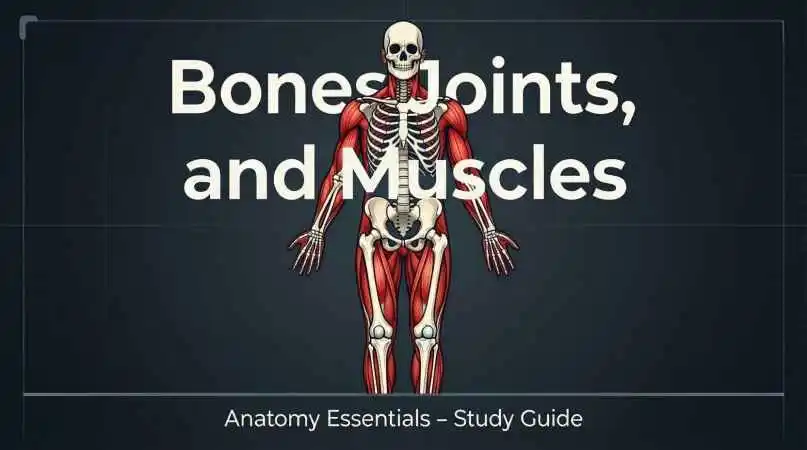
The Magnificent Framework An In-Depth Exploration of Bones, Joints and Muscles
Introduction
The human body is a masterpiece of biological engineering, and at its core lies a magnificent framework of bones, joints, and muscles. This intricate system provides structure, enables movement, protects vital organs, and supports countless physiological functions. Understanding this framework is essential not only for medical and fitness professionals but for anyone curious about the mechanics of the human body.
In this comprehensive exploration, we will journey through the anatomy and physiology of the skeletal, articular, and muscular systems. We will examine how these systems work in harmony to move, maintain posture, and adapt to physical demands. Additionally, we will explore common diseases and disorders that impact this framework and discuss strategies for maintaining musculoskeletal health.
Table of Contents
- Introduction
- The Skeletal System: Structure and Function
- Types of Bones
- Bone Tissue and Composition
- Bone Growth and Development
- Bone Remodeling and Repair
- Joints: The Body’s Hinges
- Classification of Joints
- Synovial Joints and Their Movements
- Common Joint Disorders
- Muscular System: Engines of Movement
- Types of Muscles
- Muscle Contraction Mechanism
- Major Muscle Groups and Their Actions
- Interplay Between Bones, Joints, and Muscles
- Biomechanics of Movement
- Coordination and Control
- Diseases and Disorders of the Musculoskeletal System
- Bone Diseases
- Joint Diseases
- Muscle Disorders
- Maintaining a Healthy Musculoskeletal System
- Nutrition and Bone Health
- Exercise and Muscle Strength
- Preventing Injuries
- Technological Advances in Studying the Musculoskeletal System
- Imaging Techniques
- Prosthetics and Orthopedics
The Skeletal System: Structure and Function
The skeletal system forms the rigid framework of the body, consisting of 206 bones in the adult human body. These bones vary in size and shape, each adapted to its specific function. The primary roles of the skeletal system include providing structural support, facilitating movement, protecting internal organs, producing blood cells, and storing minerals.
Types of Bones
Bones are classified into four main types based on their shape:

- Long Bones: These are longer than they are wide and consist of a shaft and two ends. Examples include the femur, humerus, and tibia. They primarily support weight and facilitate movement.
- Short Bones: These are cube-like in structure, such as the carpals and tarsals. They provide stability and support with limited movement.
- Flat Bones: These bones are thin and flattened, like the sternum, ribs, and scapulae. They offer protection to internal organs and provide broad surfaces for muscle attachment.
- Irregular Bones: These bones have complex shapes that do not fit into the other categories, such as the vertebrae and certain facial bones. They serve various functions, including protection and support.
Divisions of the Skeletal System
- Axial Skeleton (80 bones)
The axial skeleton forms the central axis of the body and includes the bones of the skull, vertebral column, and thoracic cage.
- Skull (22 bones)
The skull protects the brain and supports the facial structures. It consists of cranial and facial bones.
Cranial Bones (8 bones)
- Frontal bone: Forms the forehead and the upper part of the eye sockets.
- Parietal bones (2): Form the sides and roof of the cranial cavity.
- Temporal bones (2): Located on the sides of the skull near the ears; house the structures of the inner and middle ear.
- Occipital bone: Forms the back and base of the skull; contains the foramen magnum, where the spinal cord connects to the brain.
- Sphenoid bone: A butterfly-shaped bone at the base of the skull; forms part of the eye socket.
- Ethmoid bone: Located between the eyes; forms part of the nasal cavity and eye sockets.
Facial Bones (14 bones)
- Mandible: The lower jawbone; the only movable bone of the skull.
- Maxillae (2): Form the upper jaw and part of the hard palate.
- Zygomatic bones (2): Commonly known as the cheekbones.
- Nasal bones (2): Form the bridge of the nose.
- Lacrimal bones (2): Small bones located in the inner wall of the eye socket.
- Palatine bones (2): Form the back part of the hard palate.
- Inferior nasal conchae (2): Thin bones located within the nasal cavity.
- Vomer: Forms the lower part of the nasal septum.
- Vertebral Column (26 bones)
The vertebral column, or spine, consists of individual vertebrae separated by intervertebral discs. It provides support, flexibility, and protection for the spinal cord.
- Cervical vertebrae (7): Located in the neck; the first two (atlas and axis) allow for head movement.
- Thoracic vertebrae (12): Located in the upper and mid-back; articulate with the ribs.
- Lumbar vertebrae (5): Located in the lower back; bear the most body weight.
- Sacrum (5 fused bones): Forms the back part of the pelvis.
- Coccyx (4 fused bones): Commonly known as the tailbone.
- Thoracic Cage (25 bones)
The thoracic cage protects the heart, lungs, and other organs and consists of the sternum and ribs.
- Sternum (1 bone): The breastbone, located in the center of the chest.
- Ribs (24 bones, 12 pairs):
- True ribs (7 pairs): Attach directly to the sternum via costal cartilage.
- False ribs (3 pairs): Attach indirectly to the sternum or not at all.
- Floating ribs (2 pairs): Do not attach to the sternum.
- Appendicular Skeleton (126 bones)
The appendicular skeleton includes the bones of the limbs and the girdles that attach them to the axial skeleton.
- Pectoral Girdle (4 bones)
The pectoral girdle connects the upper limbs to the axial skeleton.
- Clavicle (2): Collarbones; stabilize the shoulder and allow arm movement.
- Scapula (2): Shoulder blades; provide attachment points for muscles.
- Upper Limbs (60 bones, 30 per arm)
Each upper limb consists of the arm, forearm, wrist, and hand.
- Humerus (1 per arm): The bone of the upper arm; it extends from the shoulder to the elbow.
- Radius (1 per arm): Located on the thumb side of the forearm; involved in wrist rotation.
- Ulna (1 per arm): Located on the pinky side of the forearm; forms the elbow.
- Carpals (8 per wrist): Small bones that form the wrist.
- Metacarpals (5 per hand): Bones of the palm.
- Phalanges (14 per hand): Bones of the fingers (3 per finger and 2 per thumb).
- Pelvic Girdle (2 bones)
The pelvic girdle supports the weight of the upper body and attaches the lower limbs to the axial skeleton.
- Hip bones (2): Each hip bone is formed by the fusion of three bones: ilium, ischium, and pubis.
- Lower Limbs (60 bones, 30 per leg)
Each lower limb consists of the thigh, leg, ankle, and foot.
- Femur (1 per leg): The longest and strongest bone in the body; extends from the hip to the knee.
- Patella (1 per leg): The kneecap; protects the knee joint.
- Tibia (1 per leg): The shinbone; it bears most of the weight in the lower leg.
- Fibula (1 per leg): The smaller bone of the lower leg; provides stability.
- Tarsals (7 per ankle): Form the ankle and heel.
- Metatarsals (5 per foot): Bones of the midfoot.
- Phalanges (14 per foot): Bones of the toes (3 per toe and 2 per big toe).
Functions of the Skeletal System
- Support
The skeleton provides a rigid framework that supports the body and maintains its shape.
- Protection
Bones protect vital organs:
- The skull protects the brain.
- The vertebrae protect the spinal cord.
- The rib cage protects the heart and lungs.
- Movement
Bones act as levers, and joints serve as fulcrums. Muscles attach to bones via tendons, and their contraction moves.
- Mineral Storage
Bones store essential minerals, primarily calcium and phosphorus, which can be released into the bloodstream as needed.
- Blood Cell Production
Red bone marrow produces red blood cells, white blood cells, and platelets in a process called hematopoiesis.
- Fat Storage
Yellow bone marrow, found in the medullary cavities of long bones, stores triglycerides (fat) as an energy reserve.
The skeletal system is a complex and vital structure that serves as the foundation for the human body. Each bone has a specific location and function, contributing to the overall support, protection, and movement of the body. Understanding the anatomy and organization of the skeleton is essential for appreciating how the body works and how to maintain its health.
Bone Tissue and Composition
Bone is a living tissue composed of a matrix of collagen fibers and mineral deposits, primarily calcium phosphate. This combination gives bones both flexibility and strength. There are two types of bone tissue:
- Compact Bone: The dense, outer layer that provides strength and protection.
- Spongy Bone: The lighter, inner layer with a honeycomb structure that reduces weight while maintaining strength.
Bone tissue also contains cells such as osteoblasts (which build bone), osteoclasts (which break down bone), and osteocytes (which maintain bone tissue).
Bone Growth and Development
Bone growth and development are dynamic process that begins in the embryonic stage and continues into early adulthood. The process involves both the formation of new bone tissue and the reshaping of existing bone to accommodate growth and mechanical stress.
Ossification: The Process of Bone Formation
Ossification, or osteogenesis, is the process by which bone tissue is formed. There are two main types of ossification:
- Intramembranous Ossification: This process occurs directly within mesenchymal connective tissue and is responsible for the formation of flat bones, such as the skull and clavicle. Mesenchymal cells differentiate into osteoblasts, which then secrete bone matrix, eventually forming trabeculae and compact bone.
- Endochondral Ossification: This is the more common process and involves the replacement of hyaline cartilage with bone. Most bones in the body, including long bones, develop this way. A cartilage model is first formed, which is gradually replaced by bone tissue as blood vessels invade the area, bringing osteoblasts that lay down bone matrix.
Growth Plates and Longitudinal Growth
In children and adolescents, long bones grow in length at regions called epiphyseal plates, or growth plates. These plates are made of cartilage and are located between the diaphysis (shaft) and epiphyses (ends) of the bone. As cartilage cells proliferate and are replaced by bone, the bone lengthens. Growth plates close after puberty, marking the end of longitudinal bone growth.
Factors Influencing Bone Growth
Several factors influence bone growth and development:
- Genetics: Genetic makeup largely determines the potential size and shape of bones.
- Nutrition: Adequate intake of calcium, phosphorus, vitamin D, and protein is essential for proper bone development.
- Hormones: Growth hormone, thyroid hormones, and sex hormones (estrogen and testosterone) play critical roles in regulating bone growth and the timing of growth plate closure.
- Physical Activity: Mechanical stress from physical activity stimulates bone formation and increases bone density.
Bone Remodeling and Repair
Bone is a dynamic tissue that constantly undergoes remodeling—a process of resorption and formation that allows bones to adapt to stress, repair microdamage, and regulate mineral homeostasis.
The Bone Remodeling Process
Bone remodeling is carried out by specialized cells:
- Osteoclasts: These cells break down and resorb old or damaged bone tissue, releasing calcium and phosphate into the bloodstream.
- Osteoblasts: These cells synthesize new bone matrix, which eventually mineralizes to form new bone tissue.
The remodeling cycle consists of four phases: activation, resorption, reversal, and formation. This cycle ensures that bone tissue is continuously renewed and maintained.
Bone Repair After Fracture
When a bone is fractured, the body initiates a complex healing process:
- Hematoma Formation: Blood vessels rupture, forming a hematoma at the fracture site.
- Fibrocartilaginous Callus Formation: Fibroblasts and chondroblasts produce a callus of fibrocartilage that bridges the broken ends of the bone.
- Bony Callus Formation: Osteoblasts replace the fibrocartilage with a bony callus, stabilizing the fracture.
- Bone Remodeling: Over time, the bony callus is remodeled, restoring the bone’s original structure and strength.
Factors such as age, nutrition, blood supply, and the type of fracture influence the healing process.
Joints: The Body’s Hinges
Joints, also known as articulations, are the points where two or more bones meet. They vary in structure and function, allowing for different degrees of movement.
Classification of Joints
Joints are classified based on their structure and the type of movement they permit:
- Fibrous Joints: These joints are connected by dense connective tissue and permit little to no movement. Examples include sutures in the skull and the syndesmosis between the tibia and fibula.
- Cartilaginous Joints: These joints are connected by cartilage and allow limited movement. Examples include the intervertebral discs and the pubic symphysis.
- Synovial Joints: These are the most common and movable joints in the body. They are characterized by the presence of a synovial cavity filled with synovial fluid, which lubricates the joint. Examples include the knee, shoulder, and hip joints.
Synovial Joints and Their Movements
Synovial joints are further classified based on their shape and the type of movement they allow:
- Hinge Joints: Permit movement in one plane, like flexion and extension (e.g., elbow and knee).
- Ball-and-Socket Joints: Allow for a wide range of motion, including rotation (e.g., shoulder and hip).
- Pivot Joints: Permit rotational movement (e.g., the joint between the atlas and axis vertebrae).
- Gliding Joints: Allow bones to slide over one another (e.g., joints between the carpal bones).
- Saddle Joints: Permit movement in two planes (e.g., the joint between the trapezium and metacarpal of the thumb).
Common Joint Disorders
Joints are susceptible to various disorders that can impair movement and cause pain:
- Osteoarthritis: A degenerative joint disease characterized by the breakdown of cartilage, leading to pain, stiffness, and reduced mobility.
- Rheumatoid Arthritis: An autoimmune disorder in which the body’s immune system attacks the synovial membrane, causing inflammation, pain, and joint deformity.
- Gout: A form of arthritis caused by the accumulation of uric acid crystals in the joints, leading to intense pain and swelling, often affecting the big toe.
- Bursitis: Inflammation of the bursae, small fluid-filled sacs that cushion the joints, often due to repetitive motion or prolonged pressure.
Muscular System: Engines of Movement
The muscular system is responsible for producing movement, maintaining posture, and generating heat. It consists of three types of muscle tissue: skeletal, cardiac, and smooth.
Types of Muscles
- Skeletal Muscles: These are voluntary muscles attached to bones by tendons. They are responsible for body movements and are under conscious control.
- Cardiac Muscle: This involuntary muscle is found only in the heart and is responsible for pumping blood throughout the body.
- Smooth Muscle: These involuntary muscles are found in the walls of internal organs, such as the stomach, intestines, and blood vessels, where they control movements like peristalsis.
Muscle Contraction Mechanism
Muscle contraction occurs through the sliding filament theory:
- Nerve Impulse: A motor neuron releases acetylcholine at the neuromuscular junction, triggering an action potential in the muscle fiber.
- Calcium Release: The action potential causes the release of calcium ions from the sarcoplasmic reticulum.
- Cross-Bridge Cycling: Calcium ions bind to troponin, causing tropomyosin to move and expose binding sites on actin filaments. Myosin heads attach to actin, forming cross-bridges, and pull the actin filaments toward the center of the sarcomere, shortening the muscle fiber.
- Relaxation: When nerve stimulation ceases, calcium ions are pumped back into the sarcoplasmic reticulum, and the muscle fiber relaxes.
Major Muscle Groups and Their Actions
The human body has over 600 skeletal muscles, organized into major groups:
- Muscles of the Head and Neck: Include the masseter (chewing), sternocleidomastoid (neck flexion and rotation), and trapezius (shoulder movement).
- Muscles of the Thorax: Include the intercostal muscles (breathing) and diaphragm (primary muscle of respiration).
- Muscles of the Abdomen: Include the rectus abdominis (flexion of the trunk), external and internal obliques (rotation and lateral flexion), and transversus abdominis (compression of the abdomen).
- Muscles of the Upper Limb: Include the deltoid (arm abduction), biceps brachii (elbow flexion), triceps brachii (elbow extension), and muscles of the forearm (wrist and finger movements).
- Muscles of the Lower Limb: Include the quadriceps femoris (knee extension), hamstrings (knee flexion), gluteus maximus (hip extension), and gastrocnemius (plantar flexion of the foot).
Interplay Between Bones, Joints, and Muscles
The musculoskeletal system functions as an integrated unit, where bones, joints, and muscles work together to produce movement and maintain stability.
Biomechanics of Movement
Movement is produced through the coordinated action of muscles pulling on bones, which act as levers, and joints, which serve as fulcrums. The biomechanics of movement can be understood through the following concepts:
- Levers: Bones act as levers, joints as fulcrums, and muscles provide the force. There are three classes of levers in the body, each providing different mechanical advantages.
- Range of Motion: The range of motion at a joint is determined by the shape of the articulating surfaces, the flexibility of surrounding ligaments and tendons, and the strength and coordination of muscles.
- Force and Speed: The arrangement of muscles and bones determines whether a movement emphasizes force or speed. For example, muscles with a longer lever arm can produce faster movements, while those with a shorter lever arm can generate greater force.
Coordination and Control
The nervous system plays a crucial role in coordinating and controlling muscle activity:
- Motor Units: A motor neuron and all the muscle fibers it innervates form a motor unit. The size of the motor unit determines the precision of movement; smaller units allow for fine control, while larger units generate more force.
- Proprioception: Sensory receptors in muscles, tendons, and joints provide feedback to the brain about body position and movement, allowing for adjustments in posture and coordination.
- Reflexes: Reflexes are rapid, involuntary responses to stimuli that help maintain posture and protect the body from injury.
Diseases and Disorders of the Musculoskeletal System
The musculoskeletal system is susceptible to a wide range of diseases and disorders that can affect bones, joints, and muscles, leading to pain, disability, and reduced quality of life.
Bone Diseases
- Osteoporosis: A condition characterized by reduced bone density and increased fragility, leading to a higher risk of fractures. It is more common in postmenopausal women due to decreased estrogen levels.
- Osteogenesis Imperfecta: A genetic disorder also known as brittle bone disease, characterized by fragile bones that break easily, often due to a deficiency in collagen production.
- Paget’s Disease of Bone: A chronic disorder that causes abnormal bone remodeling, leading to enlarged and weakened bones.
- Bone Cancer: Primary bone cancers, such as osteosarcoma, originate in the bone, while secondary bone cancers result from the metastasis of cancer from other parts of the body.
Joint Diseases
- Osteoarthritis: The most common form of arthritis, resulting from the wear and tear of cartilage, leading to pain, stiffness, and loss of joint function.
- Rheumatoid Arthritis: An autoimmune disease that causes chronic inflammation of the synovial membrane, resulting in joint damage and deformity.
- Gout: A type of inflammatory arthritis caused by the deposition of uric acid crystals in the joints, leading to sudden and severe pain.
- Dislocations and Subluxations: Dislocations occur when the bones in a joint are forced out of their normal positions, while subluxations are partial dislocations.
Muscle Disorders
- Muscular Dystrophy: A group of genetic disorders characterized by progressive muscle weakness and degeneration due to defects in muscle proteins.
- Myasthenia Gravis: An autoimmune disorder that impairs communication between nerves and muscles, leading to muscle weakness and fatigue.
- Fibromyalgia: A condition characterized by widespread musculoskeletal pain, fatigue, and tenderness in localized areas.
- Tendinitis and Tenosynovitis: Inflammation of tendons and the surrounding sheath, often due to overuse or repetitive strain.
Maintaining a Healthy Musculoskeletal System
Maintaining the health of bones, joints, and muscles is essential for overall well-being and mobility. This can be achieved through proper nutrition, regular exercise, and injury prevention strategies.
Nutrition and Bone Health
A balanced diet rich in essential nutrients is crucial for bone health:
- Calcium: Vital for bone formation and maintenance. Good sources include dairy products, leafy greens, and fortified foods.
- Vitamin D: Enhances calcium absorption and bone mineralization. Sunlight exposure and foods like fatty fish and fortified milk are good sources.
- Protein: Necessary for the synthesis of collagen and other bone matrix proteins.
- Magnesium and Phosphorus: Play important roles in bone structure and function.
Exercise and Muscle Strength
Regular physical activity is essential for maintaining muscle strength, joint flexibility, and bone density:
- Weight-Bearing Exercises: Activities like walking, running, and resistance training stimulate bone formation and increase bone density.
- Strength Training: Builds muscle mass and strength, improving stability and reducing the risk of falls and fractures.
- Flexibility and Balance Exercises: Stretching and activities like yoga and tai chi improve joint range of motion and balance, reducing the risk of injuries.
Preventing Injuries
Injury prevention strategies include:
- Proper Technique: Using correct form during exercise and daily activities to avoid unnecessary strain on joints and muscles.
- Adequate Warm-Up and Cool-Down: Preparing the body for activity and aiding recovery to prevent injuries.
- Ergonomics: Ensuring that workspaces and equipment are designed to minimize strain on the body.
- Protective Gear: Using appropriate equipment, such as helmets and knee pads, during high-risk activities.
