
Table of Contents
Beyond the biological mechanics, there is a psychological component to cervical health. Because the cervix is internal and unseen, it is easy to ignore. We check our skin for moles; we brush our teeth to prevent decay, but we have no daily interaction with our cervix.
This invisibility fosters a disconnect. Many women describe feeling violated by a diagnosis of HPV or cervical cancer, as if it reflects a moral failing rather than a biological exposure. We must reframe the narrative. Cervical health is not a measure of your worth, your cleanliness, or your sexual history. It is a biological system that requires maintenance, much like your heart or your lungs.
A New Era of Prevention
We are living in an era where cervical cancer is one of the most preventable cancers known to medicine. We have the technology (vaccines), the screening tools (Pap and HPV tests), and the treatments (colposcopy, LEEP) to stop this disease before it starts.
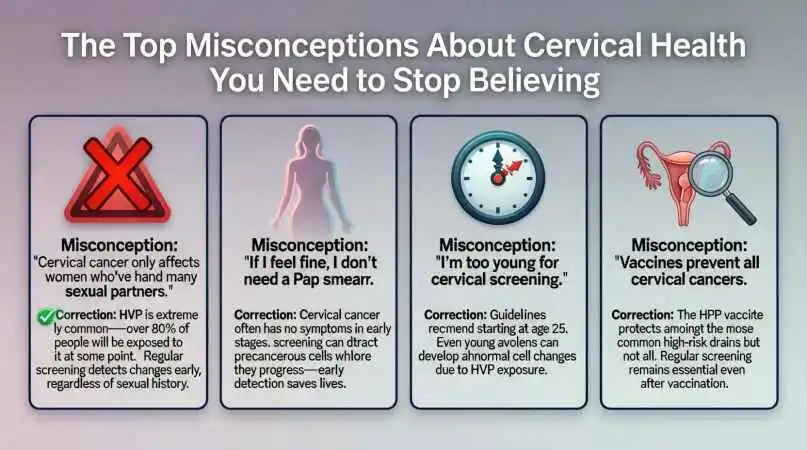
The elimination of cervical cancer is a stated goal of the World Health Organization, but it can only be achieved if we dismantle the myths that keep people away from care. When we understand that HPV is common, that screening is non-negotiable regardless of symptoms, and that hygiene doesn’t require harsh chemicals, we take back control.

Conclusion
The cervix may be small, but its health is mighty. It is the bridge to life, the protector of the uterus, and a barometer of overall gynecological well-being.
Don’t let fear, shame, or outdated myths dictate your health decisions. If you are due for a screening, schedule it. If you are eligible for the vaccine and haven’t gotten it, ask about it. If you experience symptoms like bleeding between periods or after sex, advocate for yourself.
Ignorance is not bliss when it comes to cervical health; it is a risk you cannot afford to take. Let’s commit to replacing the misconceptions with facts, ensuring that every woman has the knowledge to protect this vital part of her anatomy. Your cervix works hard for you—it’s time you worked for it, too.
FAQ’s
- What are the main risk factors for cervical health issues?
Key risk factors include HPV (human papillomavirus) infection, smoking, a weakened immune system, unprotected sexual activity, multiple sexual partners, early sexual debut, and exposure to diethylstilbestrol (DES). Chronic infections and poor hygiene can also contribute. Regular screenings are crucial to mitigate these risks. - How does HPV affect cervical health?
HPV, particularly high-risk strains like 16 and 18, can cause abnormal changes in the cervix, potentially leading to precancerous lesions or cervical cancer. The virus is transmitted transmittedteed and often asymptomatic, making regular Pap smears and HPV testing essential for early detection. - Can natural remedies like green tea or aloe vera help with cervical health?
Green tea contains antioxidants (e.g., EGCG) that may reduce cellular damage and support cellular health, while aloe vera (external use only) can soothe irritation. However, these remedies are not substitutes for medical treatments. Always consult a healthcare provider for diagnosed conditions. - How does diet play a role in maintaining cervical health?
A diet rich in fruits (e.g., berries, citrus), vegetables (e.g., leafy greens), whole grains, and lean proteins provides essential vitamins (e.g., A, C, E) and antioxidants that strengthen the immune system, reduce oxidative stress, and support cervical cell health. Avoiding processed foods and added sugars is equally important. - Are there specific vitamins or supplements beneficial for the cervix?
Vitamins like A, C, E, and zinc may enhance immune function and HPV management. Probiotics support gut health, linked to immune resilience. However, supplementing without medical guidance can be harmful; consult a professional before starting any regimen. - How does smoking impact cervical health?
Smoking weakens the immune system and reduces cervical blood flow, increasing susceptibility to HPV persistence and cervical cancer. It also exacerbates inflammation damage. Quitting smoking significantly lowers risk and improves overall healing and repair. - What is the role of stress in cervical health issues?
Chronic stress elevates cortisol levels, which can suppress immune function, making it harder to combat infections like HPV. Stress management techniques—yoga, meditation, or therapy—can improve resilience and support cervical health. - Can exercise improve cervical health?
Regular moderate exercise (e.g., walking, swimming) boosts immunity, reduces inflammation, and manages hormonal balance, all of which support cervical wellness. It also helps maintain a healthy weight, which is linked to lower cancer risk. - What are some lifestyle changes to prevent cervical cancer?
Adopting safe sexual practices (condom use, monogamy), avoiding smoking, maintaining a balanced diet, managing stress, and undergoing regular screenings (Pap tests, HPV tests) are key. Vaccinating against HPV (if eligible) is also critical. - Are there effective natural remedies for HPV infections?
Some studies suggest herbs like green tea, turmeric, and garlicichinin may support HPV management by boosting immunity and reducing viral load. However, there’s no guaranteed natural cure. Medical treatments (e.g., cryotherapy) remain the gold standard. - How does poor hygiene affect cervical health?
Poor genital hygiene increases the risk of infections (e.g., bacterial vaginosis, yeast infections) and inflammation. Gently cleansing the vulva with water instead of harsh soaps maintains pH and flora imbalances. - Can douching harm cervical health?
Douching disrupts the vagina’s natural pH and microbial balance, increasing susceptibility to infections and HPV. Medical professionals generally advise against it unless specifically instructed by a provider. - What role do sexually transmitted infections (STIs) play in cervical health?
STIs like chlamydia, gonorrhea, and trichomoniasis cause inflammation and weaken the damage, which may accelerate cervical cell changes. Treating STIs promptly and using protection reduces long-term risks. - Is there a connection between hormonal imbalances and cervical health?
Hormonal fluctuations (e.g., from birth control pills, PCOS) can affect cervical mucus and immune function. Monitoring hormonal health through blood tests and managing stress or endocrine disorders is advisable. - How can I support cervical health naturally during menstrual cycles?
Avoid tampons with dyes or perfumes, manage period stress, and keep the genital area dry/clean. Herbal teas like ginger or turmeric may ease cramps, but consult a provider before use. - Are there herbs or plants beneficial for cervical health?
Herbs like ech, garlicichinin, and licorice root show anti-inflammatory and antiviral properties in studies. However, they should complement—not replace—medical care. Research is ongoing, and dosages should be monitored. - What lifestyle modifications are recommended after an abortion or miscarriage?
Rest, avoid sexual activity for 2–4 weeks, maintain good hygiene, and eat nutrient-rich foods to support healing. Emotional support is also vital. Follow your provider’s specific post-procedure guidelines. - How does proper sleep affect cervical health?
Chronic sleep deprivation weakens immunity and increases inflammation, making it harder to combat infections. Aim for 7–9 hours of quality sleep to support overall cellular and reproductive health. - Can alcohol consumption impact cervical health?
Excessive alcohol use weakens immunity and is linked to higher cervical cancer risk. Limiting alcohol intake and staying hydrated with water is recommended. - What are the best practices for maintaining cervical hygiene?
Cleanse the vulva gently with water, avoid inserting objects into the vagina, wear breathable cotton underwear, and change pads/tampons frequently. Avoid douching and harsh products. - How does aging influence cervical health?
Aging may reduce estrogen levels, leading to vaginal dryness and thinning of cervical cells. Regular screenings remain essential, and hormone therapy (if advised) can address symptoms. - What are the early signs of cervical health issues to watch for?
Symptoms include unusual bleeding (after sex, between periods, or post-menopause), abnormal discharge, pelvic pain, or pain during sex. Note that early HPV-related changes are often asymptomatic, so screenings are vital. - Are there natural ways to boost immunity to support cervical health?
Probiotics (yogurt, fermented foods), vitamin C-rich foods, and stress-reduction techniques enhance immunity. However, natural methods should accompany, not replace, medical screenings and treatments. - Can yoga or meditation contribute to cervical health?
Yoga and meditation reduce stress and improve hormonal balance, indirectly supporting cervical health. Some pelvic-focused yoga poses (e.g., cat-cow) may also promote uterine circulation. - What should I avoid to protect my cervical health?
Avoid smoking, excessive alcohol, douching, prolonged menstrual flow, and the use of tampons. Minimize unprotected sexual encounters and reduce exposure to STIs through safe practices. - Are there natural alternatives to medical screenings for cervical cancer?
Natural remedies cannot replace Pap smears or HPV tests, which detect cellular changes early. Some alternative health practices may support prevention, but should not delay professional screenings.
Note: Always consult a healthcare provider for personalized medical advice. Natural remedies and lifestyle changes support, not replace, professional treatments.
Medical Disclaimer:
The information provided on this website is for general educational and informational purposes only and is not intended as a substitute for professional medical advice, diagnosis, or treatment. Always seek the advice of your physician or other qualified health provider with any questions you may have regarding a medical condition. Never disregard professional medical advice or delay in seeking it because of something you have read on this website
