
Table of Contents
- Does the heart process emotional information?
Yes. The heart acts as the body’s primary sensory organ for emotional experience. It constantly scans the emotional frequency of your environment and feeds that data to the brain to dictate your mood.
- How do negative emotions physically damage the body?
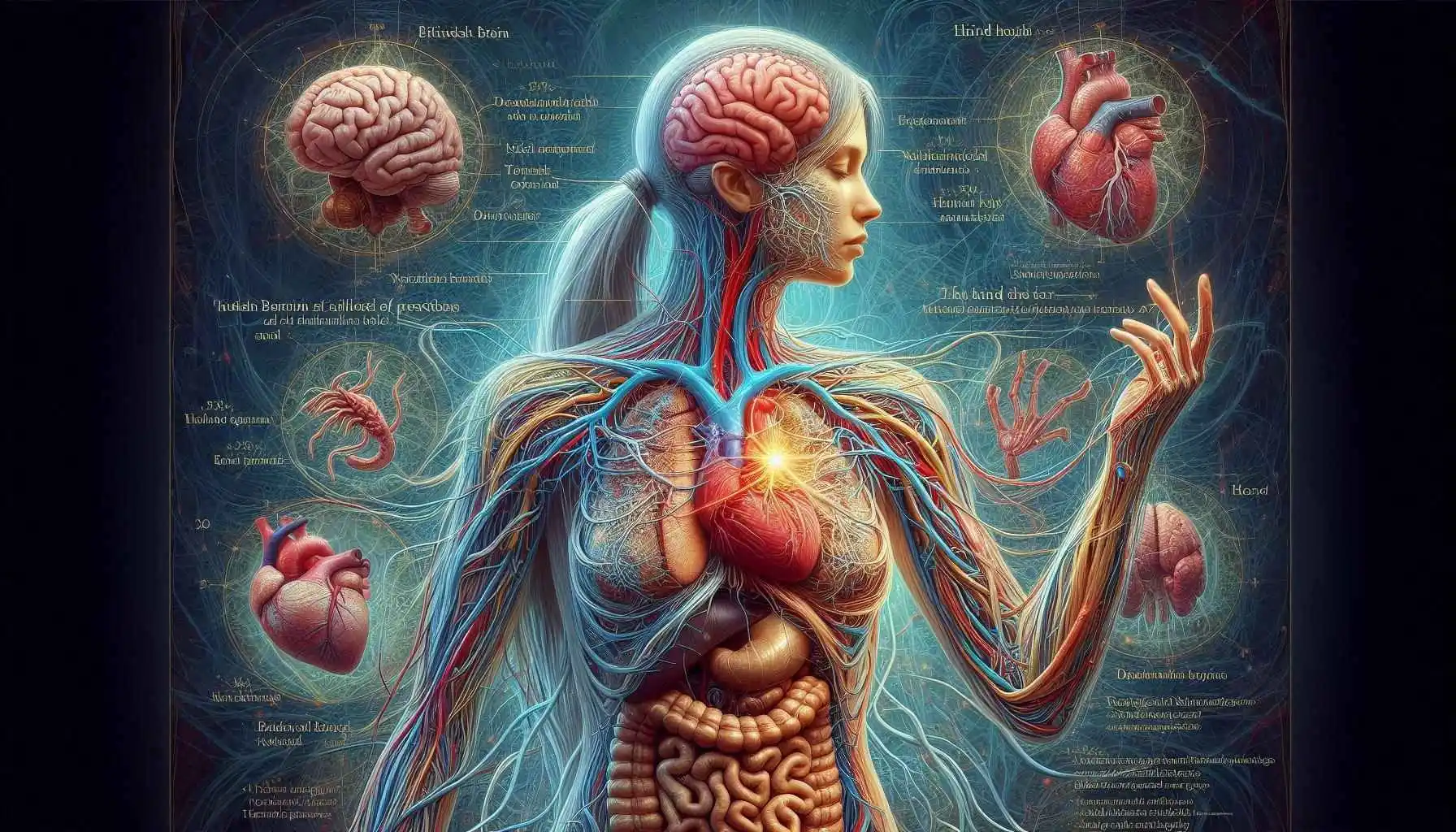
Chronic negative emotions force the Third Brain into incoherent, jagged rhythms. This signals the brain to activate the sympathetic “fight or flight” response, flooding the body with cortisol, which suppresses the gut brain and impairs immunity.
Reintegration & Lifestyle Adoptions
- How can I practice “listening to my gut” daily?
When you feel a sudden physical sensation in your stomach (like nausea or tension during a meeting), do not suppress it with food or antacids. Pause, breathe, and ask yourself what threat or truth your gut is trying to warn you about.

- What is the “Triune Synchronization” for decision-making?
Before making a big choice, check in with all three brains: Ask your Heart if the choice feels expansive or restrictive; ask your Gut if it feels safe or causes unease; then use your Head to logically plan the execution of what your heart and gut agreed upon.
- What are natural adaptogens that support the gut-heart-brain axis?
Herbal remedies like Ashwagandha and Rhodiola can lower cortisol, helping to calm the head brain’s stress response. Ginger and peppermint soothe the Enteric Nervous System, while L-theanine (found in green tea) promotes a calm, coherent state in the heart brain.
- How does physical movement reconnect the three brains?
Exercise naturally increases HRV (benefiting the heart brain), promotes peristalsis and microbiome diversity (benefiting the gut brain), and releases endorphins that clear brain fog in the head brain. Yoga and Tai Chi are particularly effective for this mind-body sync.
- How does sleep impact the hidden brains?
Sleep is the critical period when the brain flushes out neurotoxins, the gut microbiome repairs its lining, and the heart’s rhythm rests. Poor sleep leads to a dysbiotic gut, low HRV, and impaired head-brain cognition the next day.
- Can fasting improve the gut-brain connection?
Yes, intermittent fasting gives the Enteric Nervous System a break from the heavy work of digestion, allowing the gut lining to repair (reducing leaky gut) and promoting the diversity of the microbiome, which clears brain fog.
- How do I fix “disembodiment” if I work at a desk all day?
Adopt micro-lifestyle changes: Set a timer to take three deep, heart-focused breaths every hour. Stand up and stretch to stimulate the vagus nerve. Keep a bottle of water at your desk to stay hydrated, which aids gut motility and brain function.
- What is the single best daily action to start reintegrating my three brains?
Spend just five minutes every morning doing Heart-Focused Breathing. Breathe in for 5 seconds, out for 5 seconds, focus on your heart, and actively cultivate a feeling of gratitude. This single act harmonizes the heart, soothes the gut via the vagus nerve, and clears the head for the day.
Medical Disclaimer:
The information provided on this website is for general educational and informational purposes only and is not intended as a substitute for professional medical advice, diagnosis, or treatment. Always seek the advice of your physician or other qualified health provider with any questions you may have regarding a medical condition. Never disregard professional medical advice or delay in seeking it because of something you have read on this website.
