
Table of Contents
Cottage Cheese Tacos: The High-Protein Viral Recipe Emptying Grocery Shelves
How a two-ingredient shell hack turned a fridge staple into 2026’s biggest food trend
Somewhere between a health kick and a genuine culinary discovery, cottage cheese tacos took over the internet. What started as a niche high-protein hack among fitness creators has spilled into mainstream kitchens with a speed that has actual grocery store implications: cottage cheese shortages have been reported in several regions as demand from home cooks trying to recreate the viral shells has spiked. The premise sounds almost too simple to work. Blend cottage cheese with egg white, spread it into thin circles, bake until golden and crisp, and use the result exactly like a taco shell, minus the flour, minus the corn, and with a genuinely startling amount of protein packed into something that still crisps up at the edges.
What makes this trend worth paying attention to, beyond the novelty, is that it actually delivers on what it promises. The shells hold their shape, they crisp rather than turn soggy under wet fillings, and the flavor is mild enough to pair with almost anything you would put in a normal taco, from scrambled eggs and avocado to seasoned ground turkey. It is one of the rare viral recipes that survives contact with an actual kitchen rather than falling apart the moment the camera stops rolling, which is a big part of why it has had such staying power through 2026 rather than fading after a single trend cycle.
This guide covers exactly why this recipe works from a food science standpoint, a full step-by-step method with the ratios that actually produce a crisp, foldable shell, the nutritional case for why fitness and macro-tracking communities latched onto it so hard, topping and filling ideas that go well beyond the original breakfast version. These common mistakes cause shells to tear or stay soft, how the trend fits into cottage cheese’s broader 2026 moment as the ingredient of the year, and practical storage guidance for anyone who wants to fold this into a regular weekly meal-prep rotation rather than a one-off experiment.

What Cottage Cheese Tacos Actually Are
At its core, the viral recipe blends full-fat cottage cheese with egg white into a smooth, pourable batter, spreads that batter thinly into a circle on a lined baking sheet, and bakes it at a high temperature until the edges turn golden and the center firms into a pliable, taco-shell-like disc. Unlike a flour tortilla, there is no gluten structure holding things together, and unlike a corn tortilla, there is no starch. The structure instead comes from the proteins in the cottage cheese and egg white setting as they bake, similar in principle to how a frittata or baked egg dish firms up in the oven.
The result sits somewhere between a taco shell and a savory pancake, sturdy enough to fold in half and hold fillings, with a texture that crisps noticeably at the thin outer edges while staying slightly softer and more pliable toward the center, which is exactly what allows it to fold without cracking. Full-fat cottage cheese is widely recommended over low-fat versions specifically because the additional fat content helps the shell crisp properly and prevents it from turning rubbery, a detail that shows up repeatedly across the recipe’s many viral iterations.
The name itself is a slight misnomer worth clarifying: these are not tacos made with cottage cheese as a filling, but cottage cheese used as the shell itself, which is the twist that made the format so shareable. The base recipe is intentionally simple enough that it functions more as a technique than a fixed recipe, meaning once the shell method is understood, it becomes a flexible base for dozens of different meals across breakfast, lunch, and dinner.
Compared to other protein-forward shell alternatives that have circulated online over the years, from almond flour wraps to egg-based crepes, cottage cheese shells have an advantage in both cost and accessibility. Cottage cheese is inexpensive and widely available in nearly every grocery store. It requires no specialty ordering the way some alternative-flour products do, which lowered the barrier to entry for home cooks trying the recipe for the first time and helped it spread faster than trends that depend on harder-to-find ingredients.
Why Cottage Cheese Became 2026’s Defining Ingredient
Cottage cheese’s viral moment did not happen in isolation. It sits at the intersection of several major food trends converging at once: a strong cultural swing toward high-protein eating, growing interest in minimally processed whole-food ingredients over ultra-processed alternatives, and a social media appetite for recipes that look like an indulgence but claim a health halo. Cottage cheese checks every one of those boxes simultaneously, which is a rare combination.
Nutritionally, cottage cheese delivers an unusually strong protein-to-calorie ratio compared to most dairy products, along with a meaningful dose of calcium and B vitamins, all from a single, recognizable ingredient rather than a processed protein isolate. That single-ingredient simplicity matters to a growing segment of home cooks who have grown wary of long ingredient lists, even in products marketed as healthy. Where protein powders and processed bars dominated the high-protein conversation a few years ago, cottage cheese offered something that felt more like real food.
The versatility angle mattered just as much as the nutrition profile. Creators quickly discovered that cottage cheese could be blended smooth and used in everything from pasta sauces and baked goods to dips and, eventually, taco shells, giving the ingredient an unusually long runway of viral formats rather than a single trending recipe that burns out after a few weeks. Each new format effectively re-introduced the ingredient to a slightly different audience, compounding its reach across the platform over the course of the year.
“Full-fat cottage cheese isn’t optional here — the extra fat is exactly what lets the shell crisp at the edges instead of turning rubbery.”
The Food Science Behind a Shell That Actually Holds
The reason this recipe works, rather than collapsing into a puddle the moment it hits a fork, comes down to protein coagulation, the same basic chemistry behind eggs setting when cooked. Both cottage cheese and egg white are protein-rich, and when heated, those proteins unfold and bond together into a firmer network, trapping moisture and creating structure where there was previously a loose, wet mixture.
Spreading the batter thinly is essential to this process. A thick layer of batter takes longer to cook through, giving moisture more time to escape unevenly and increasing the risk of a soggy center with an overcooked edge. A thin, even layer, generally around a quarter inch or less, cooks through quickly and consistently, allowing the whole shell to set at roughly the same rate, which is what produces that reliable fold-without-cracking texture at the center paired with crisping at the edges.
High, consistent oven heat matters just as much as thickness. Most viral versions of this recipe call for baking at around four hundred degrees Fahrenheit, hot enough to drive off surface moisture quickly and encourage light browning at the edges before the center has a chance to overcook or dry out. Parchment paper or a well-greased nonstick surface is non-negotiable, since the proteins that give the shell its structure are the same proteins that will bond aggressively to an unlined pan, making a clean release nearly impossible otherwise.
The Full Recipe: Ratios That Actually Work
The most reliable version of this recipe, refined across dozens of viral iterations, uses a ratio of roughly half a cup of full-fat cottage cheese to one egg white per shell, which yields two small taco-sized shells or one larger burrito-style shell. Blend the cottage cheese and egg white in a blender or food processor until completely smooth; skipping this step and leaving cottage cheese curds intact is one of the most common reasons shells turn out uneven or fall apart.
Season the batter directly, since this is the only opportunity to build flavor into the shell itself. A half teaspoon of a savory seasoning blend, garlic powder, smoked paprika, or a taco seasoning mix, whisked into the batter, gives the finished shell genuine flavor rather than relying entirely on fillings to carry the dish. Line a baking sheet with parchment paper, pour the batter into two thin, even circles roughly five to six inches across, and use the back of a spoon to spread it evenly if needed.
Bake at four hundred degrees Fahrenheit for eighteen to twenty-two minutes, watching for the edges to turn golden brown and slightly lifted while the center looks set rather than glossy or wet. Remove from the oven and let the shells rest directly on the baking sheet for two to three minutes before attempting to fold them; this brief rest allows the residual structure to firm up further and dramatically reduces the risk of cracking. Fold each shell over a rolled kitchen towel or the edge of a muffin tin while still warm and pliable to encourage a proper taco shape as it cools, then fill immediately or let it cool completely and store for later.
Recipe Card: Cottage Cheese Tacos
| Serves: 2 servings (4 small shells) | Prep: 5 minutes | Cook: 18-22 minutes |
| INGREDIENTS |
| Full-fat cottage cheese 1 cup |
| Egg whites 2 large |
| Garlic powder 1/2 tsp |
| Smoked paprika (or taco seasoning) 1/2 tsp |
| Salt pinch, to taste |
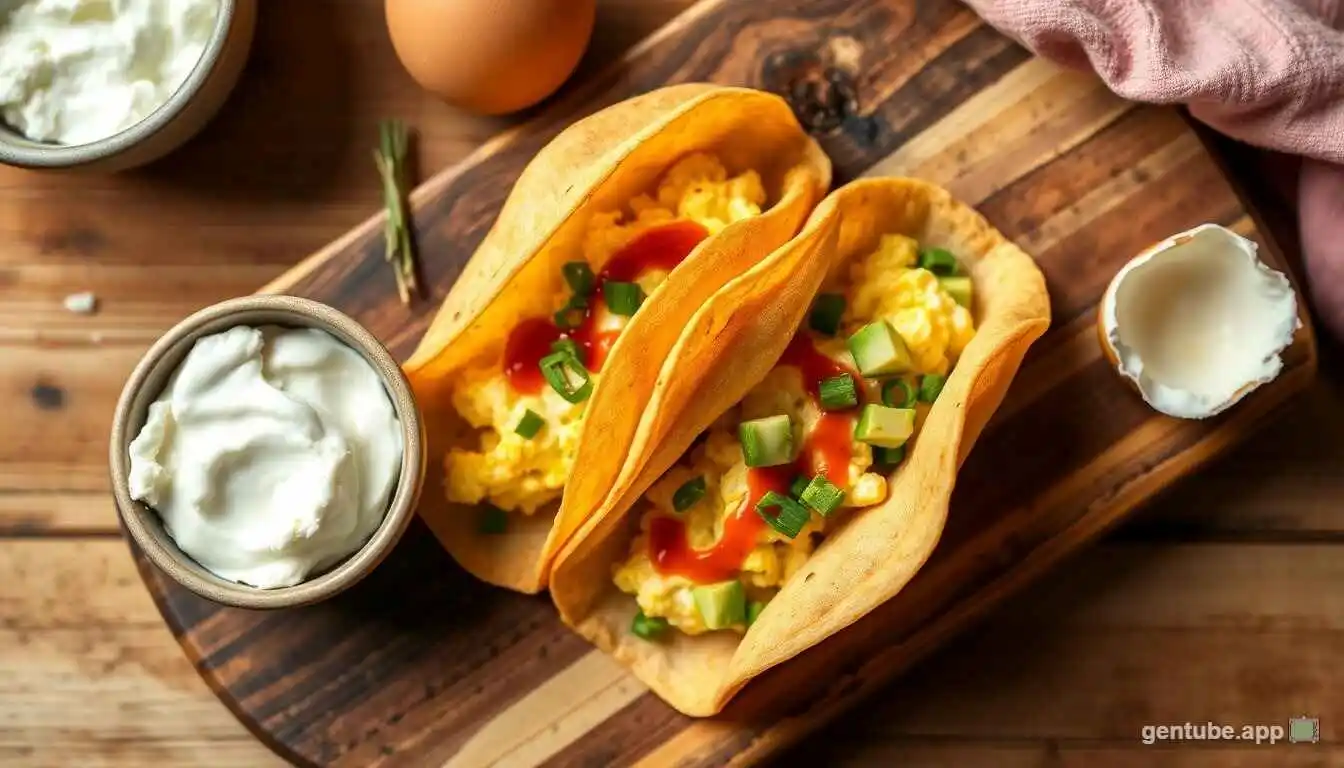
| Fillings: scrambled eggs, avocado, chives, hot sauce (or your choice) as desired |
| METHOD |
| Step 1. Preheat oven to 400°F and line a baking sheet with parchment paper. |
| Step 2. Add the cottage cheese and egg whites to a blender or food processor and blend until completely smooth, with no visible curds. |
| Step 3. Whisk the garlic powder, smoked paprika, and salt directly into the blended batter to season it. |
| Step 4. Pour the batter onto the parchment paper in two thin, even circles, roughly 5-6 inches across, spreading gently with the back of a spoon if needed. |
| Step 5. Bake for 18-22 minutes, until the edges turn golden and slightly lifted and the center looks set rather than glossy. |
| Step 6. Remove from the oven and let the shells rest on the baking sheet for 2-3 minutes. |
| Step 7. While still warm and pliable, fold each shell over a rolled kitchen towel or the edge of a muffin tin to set the taco shape as it cools. |
| Step 8. Fill immediately with your choice of fillings, or let cool completely and store for later. |
Fillings, Toppings, and Flavor Directions
While the original viral version leaned breakfast, with scrambled eggs, avocado, chives, and hot sauce, the shell’s mild, slightly savory flavor makes it a genuinely flexible base for meals across the entire day. For a dinner-style taco, seasoned ground turkey or shredded chicken, a scoop of salsa, shredded lettuce, and a drizzle of Greek yogurt in place of sour cream keeps the whole meal in the same high-protein, minimally processed spirit as the shell itself.
A Mediterranean-leaning version works particularly well given the shell’s mild dairy base: hummus, cucumber, diced tomato, crumbled feta, and a squeeze of lemon turn the same shell into something that reads closer to a flatbread wrap than a taco. For a lunch option, canned tuna or shredded rotisserie chicken mixed with a light dressing, plus shredded carrot and a handful of greens, makes for a filling, low-effort midday meal that travels well if packed separately from the shell and assembled just before eating.
Sweeter variations have also circulated, using the same base shell technique with a touch of cinnamon and a small amount of sweetener blended into the batter, then filled with berries and a drizzle of nut butter for something closer to a dessert crepe than a taco. Across nearly every version, the same principle holds: because the shell itself carries real flavor from properly seasoned batter, fillings can stay relatively simple without the finished dish tasting bland.
The Nutritional Case: Why Macro Trackers Love It
A large part of this recipe’s staying power comes down to how favorably it compares to traditional taco shells on a macro basis. A standard flour tortilla contributes a meaningful amount of refined carbohydrate and relatively little protein, while a cottage cheese shell flips that ratio almost entirely, delivering a substantial dose of protein with minimal carbohydrate, which is exactly the profile that high-protein and lower-carb eating approaches are built around.
For anyone tracking macros or simply trying to increase protein intake without leaning on protein powders and bars, a meal built around two cottage cheese shells filled with lean protein and vegetables can deliver a genuinely high total protein count for a modest calorie cost, which explains why the recipe found such immediate traction among fitness-focused creators before spreading to a broader audience simply looking for satisfying, less processed meals.
It is worth noting that cottage cheese does carry a meaningful sodium content, which matters for anyone specifically monitoring sodium intake, and choosing a lower-sodium cottage cheese variety, where available, is a reasonable adjustment for that group without meaningfully affecting the shell’s structure or flavor.
Beyond the macro math, there is a psychological component worth acknowledging as well: swapping a refined-carbohydrate shell for a protein-forward one lets people keep a food format they already enjoy, the ritual of building and folding a taco, rather than giving it up entirely in the name of a health goal. That sense of not sacrificing a favorite food format, just rebuilding it on different nutritional footing, is a recurring theme across many of the viral recipes that have had genuine staying power rather than fading after a week or two of novelty interest.
Common Mistakes and How to Avoid Them
The single most common failure point is skipping the blending step or blending insufficiently, leaving visible curds in the batter. Those curds create weak points in the finished shell where it is far more likely to crack or tear when folded, so a full minute or two in a blender or food processor until the mixture is completely smooth and pourable is worth the extra effort.
Spreading the batter too thick is the second major culprit behind soggy, floppy shells that never crisp properly. Resist the urge to make one large, thick shell to save time; two thinner shells will consistently outperform one thick one, both in texture and in how easily they fold without cracking.
Skipping the parchment paper, or using a pan that is not adequately nonstick, is the most common cause of a shell that looks perfect coming out of the oven and then tears apart the moment someone tries to lift it. Finally, attempting to fold a shell either too soon, while it is still too hot and structurally unset, or too late, after it has cooled and stiffened into a flat, unbendable disc, is a frequent source of frustration; that brief two- to three-minute rest window immediately after baking is the narrow, forgiving zone where folding works best.
Storage, Meal Prep, and Make-Ahead Tips
Cottage cheese shells hold up well for meal prep, which is part of why they have found such a devoted following among people planning meals for the week rather than cooking from scratch daily. Baked shells can be cooled completely, stacked with a small piece of parchment between each to prevent sticking, and refrigerated in an airtight container for up to four days.
For longer storage, baked and fully cooled shells freeze well for up to two months; separating them with parchment before freezing prevents them from fusing into a single block. To reheat, a few minutes in a dry skillet over medium heat or a short stint in the oven restores much of the shell’s original texture far better than a microwave, which tends to leave the shell noticeably softer and less structurally sound.
Batch-making the batter itself is also a viable strategy: the uncooked cottage cheese and egg white mixture can be refrigerated for a day or two before baking, making it possible to portion out and bake fresh shells across several days from a single batch of prepared batter, which cuts down on both blending time and cleanup for anyone making this a regular part of their weekly routine.
Part of a Bigger Trend: Cottage Cheese Everywhere
The taco shell format is only one branch of a much larger cottage cheese moment that has unfolded across 2026. The same blend-until-smooth technique that produces a taco shell has been applied to pasta sauces, where blended cottage cheese stands in for heavy cream to create a protein-boosted, lower-fat alfredo-style sauce, and to baked goods, where it adds moisture and protein to muffins, pancakes, and flatbreads without leaving behind a noticeable curd texture or dairy tang once blended thoroughly.
Savory dips have followed a similar path, with blended cottage cheese replacing sour cream or mayonnaise as a base for herb dips, spinach dips, and even buffalo-style dips, again leaning on the same core appeal of higher protein and a shorter, more recognizable ingredient list than many store-bought alternatives. This pattern, one humble ingredient reimagined across an entire menu’s worth of formats, is a big part of why cottage cheese has had unusual staying power as a trend rather than burning out the way many single-recipe viral moments do within a few weeks.
For anyone building a recipe content calendar, this broader pattern is worth watching closely, since it suggests audiences are responding less to any single dish and more to the underlying promise: real, simple ingredients doing more work than their reputation would suggest. Taco shells happened to be the most visually striking and technically impressive expression of that promise, which is a large part of why this particular format broke through so much more widely than the sauces and dips that came before it.
The Takeaway
Cottage cheese tacos earned their viral status the hard way: not through a flashy visual gimmick alone, but through a recipe that genuinely delivers a sturdy, flavorful, high-protein alternative to a traditional taco shell using a single humble dairy ingredient and a bit of oven science. The technique behind it- thin batter, high heat, a short resting window before folding- is simple enough to master on the first attempt and flexible enough to support breakfast, lunch, dinner, and even dessert versions. Whether the appeal is the macro math, the minimal ingredient list, or simply the novelty of turning a fridge staple into something crisp and foldable, this is one 2026 food trend that holds up well past the algorithm that made it famous.
| Frequently Asked Questions |
| Q1. What are cottage cheese tacos exactly?
They are taco shells made by baking blended cottage cheese and egg white into thin, crisp rounds that are folded and filled like a traditional taco shell. |
| Q2. Why do cottage cheese shells taste so mild?
Cottage cheese has a naturally mild, slightly tangy flavor, which is why seasoning the batter directly is important for building real flavor into the shell. |
| Q3. Should I use full-fat or low-fat cottage cheese?
Full-fat cottage cheese is strongly recommended, since the additional fat helps the shell crisp properly and prevents a rubbery texture. |
| Q4. Do I need a blender to make the batter?
Yes, blending until completely smooth is essential; leftover curds create weak points that make the shell prone to tearing or cracking. |
| Q5. What temperature should I bake the shells at?
Most reliable versions bake at around four hundred degrees Fahrenheit, hot enough to set the shell quickly without overcooking the center. |
| Q6. How long do the shells need to bake?
Typically eighteen to twenty-two minutes, until the edges turn golden and slightly lifted and the center looks set rather than glossy. |
| Q7. Why does my shell fall apart when I fold it?
This is usually caused by an unblended batter, a shell spread too thick, or folding it either too soon or after it has already cooled and stiffened. |
| Q8. When is the best time to fold the shell?
Fold it two to three minutes after removing it from the oven, while it is still warm and pliable but has firmed up enough to hold its shape. |
| Q9. Can I make the shells ahead of time?
Yes, baked shells keep well in the refrigerator for up to four days and can be frozen for up to two months. |
| Q10. How should I reheat stored shells?
A dry skillet or a short stint in the oven restores texture far better than a microwave, which tends to leave the shell soft. |
| Q11. Can I prepare the batter in advance without baking it?
Yes, the uncooked batter can be refrigerated for a day or two before baking, which is useful for portioned meal prep. |
| Q12. Are cottage cheese tacos low carb?
Yes, compared to a flour or corn tortilla, the shell contains minimal carbohydrate since it is built almost entirely from protein rather than starch. |
| Q13. How much protein is in a cottage cheese taco shell?
It varies by brand and portion, but the shells deliver a notably higher protein content relative to calories than a traditional tortilla. |
| Q14. Why did cottage cheese cause grocery shortages in 2026?
A surge in home cooks trying viral cottage cheese recipes, including these shells, significantly increased demand in several regions. |
| Q15. What fillings work best in a cottage cheese taco?
Scrambled eggs and avocado for breakfast, seasoned ground turkey or chicken for dinner, and hummus with vegetables for a Mediterranean-style option all work well. |
| Q16. Can I make a sweet version of this recipe?
Yes, adding cinnamon and a small amount of sweetener to the batter creates a base suited to fruit and nut butter fillings, similar to a dessert crepe. |
| Q17. Is this recipe suitable for people avoiding gluten?
Yes, since the shell contains no flour, it is naturally gluten-free, though it is worth checking any added seasoning blends for hidden gluten. |
| Q18. Why is my shell soggy in the middle?
This usually happens when the batter is spread too thick, which prevents the center from cooking through at the same rate as the edges. |
| Q19. Can I use a nonstick pan instead of parchment paper?
A well-greased, high-quality nonstick pan can work, but parchment paper is the more reliable option for a clean release. |
| Q20. How many shells does one batch of batter make?
A standard batch using half a cup of cottage cheese and one egg white yields roughly two small taco-sized shells or one larger shell. |
| Q21. Is cottage cheese high in sodium?
It can be, and anyone monitoring sodium intake may want to choose a lower-sodium cottage cheese variety, which does not affect the shell’s structure. |
| Q22. Can I add cheese to the batter itself?
Yes, a small amount of shredded cheese blended into the batter can add flavor, though it may slightly change the texture and browning time. |
| Q23. Do the shells work for meal prep lunches?
Yes, they hold up well when stored separately from fillings and assembled just before eating. |
| Q24. What seasoning works best in the batter?
Garlic powder, smoked paprika, or a taco seasoning blend are commonly used to build savory flavor directly into the shell. |
| Q25. Can this recipe be made dairy-free?
Not as written, since both the structure and flavor rely specifically on cottage cheese; dairy-free adaptations would require a different base entirely. |
| Q26. Why do some versions use only egg whites instead of whole eggs?
Egg whites help the shell set firmly without adding extra fat or yolk flavor that could compete with the cottage cheese. |
| Q27. Is this recipe kid-friendly?
It can be, particularly with milder seasoning and familiar fillings, though the texture differs enough from a traditional tortilla that some kids may need an adjustment period. |
| Q28. Can I use this same shell technique for wraps instead of tacos?
Yes, a slightly larger, thinner shell can function as a flexible wrap rather than a folded taco. |
| Q29. Why did this trend spread so widely compared to other viral recipes?
It combines a strong health halo, genuine functional success as a recipe, and enough flexibility to support many different meals, giving it unusual staying power. |
| Q30. What is the biggest tip for first-time success with this recipe?
Blend the batter until completely smooth, spread it thin, and fold the shell during that brief warm window two to three minutes after baking. |
Disclaimer: This content offers general health and nutrition information. It is not intended as medical advice, diagnosis, or treatment. Individual dietary needs vary. Please consult a qualified health professional with any questions about your personal health before implementing new meal plans or dietary changes. You are responsible for ensuring recipes are safe for your specific allergies and dietary needs.
