
Table of Contents
Stop Pouring Your Starter Down the Drain: 10 Genuinely Good Uses for Sourdough Discard
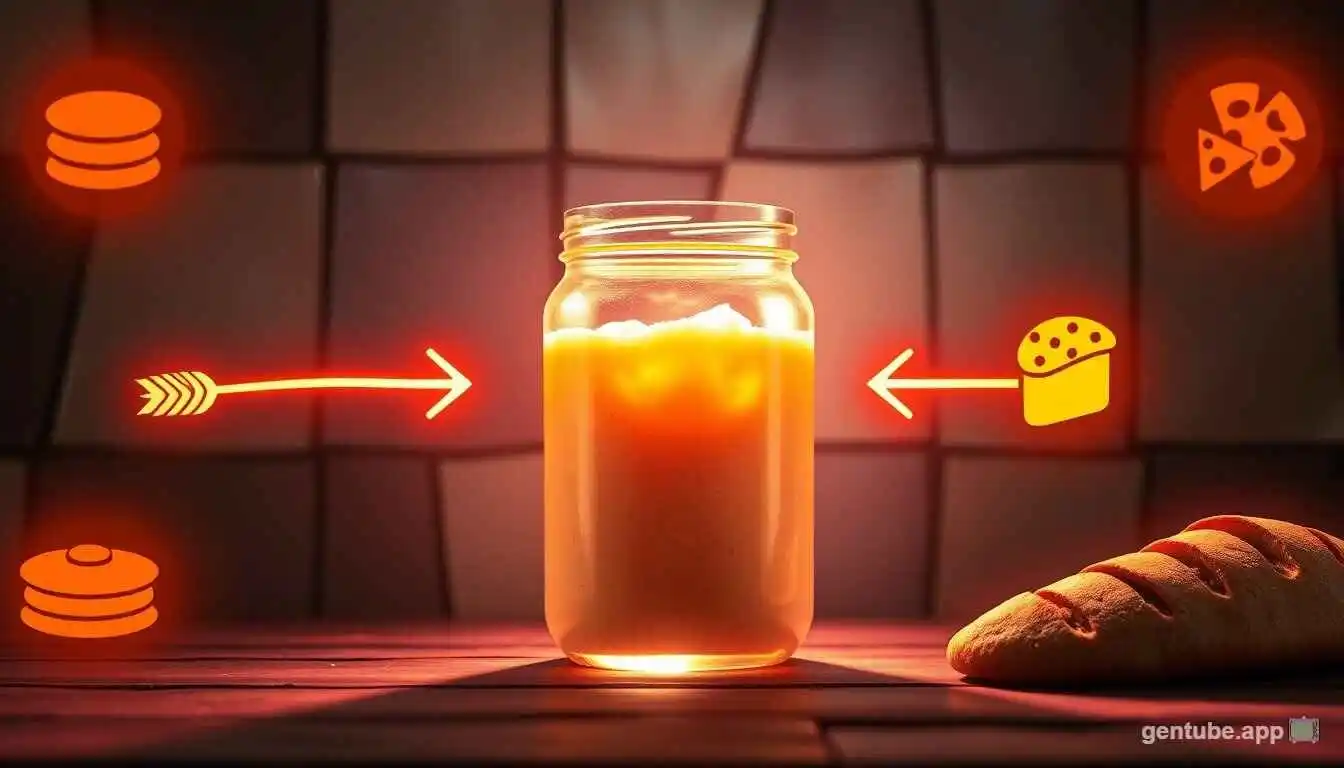
Every sourdough baker eventually faces the same guilty ritual: scraping out perfectly good fermented flour and water and tossing it. Here are ten ways to actually use it, plus the food science behind why discard works so well in the first place.
The Byproduct Every Sourdough Baker Learns to Dread
Maintaining a sourdough starter means regularly removing a portion of it before feeding, a step called discarding, necessary because a starter left to grow indefinitely would eventually overflow its container and become too large to manage. For most home bakers, this discard becomes a recurring source of low-grade guilt: a cup or more of fermented flour and water, tossed in the trash or down the drain several times a week, often for months on end.
That guilt is entirely justified, because discard is not spoiled or wasted flour at all. It is a fully fermented, flavor-packed ingredient in its own right, carrying real tang, aroma, and even a modest leavening boost from residual yeast activity, and treating it as trash rather than a legitimate baking ingredient throws away both flavor and money over time. What follows are ten genuinely useful ways to put it to work, along with the food science explaining why discard behaves the way it does in each one.
What Discard Actually Is, Chemically Speaking
A sourdough starter is a living culture of wild yeast and lactic acid bacteria living in a paste of flour and water, and discard is simply a portion of that same living culture removed before the remaining starter gets fed fresh flour to keep the colony thriving. Because it has already undergone at least one full fermentation cycle, discard carries organic acids, primarily lactic and acetic acid, produced by the bacteria, along with partially broken-down starches and proteins the fermentation process has already begun digesting.

This partial pre-digestion is exactly why discard behaves differently in a recipe than plain flour and water would. The acidity adds genuine tang, the broken-down starches contribute a subtly different texture, often more tender or moist than a standard batter, and any remaining active yeast, even in a starter well past its peak rise, can still contribute a small amount of extra lift, particularly in recipes that give the batter or dough time to sit before cooking.
1. Sourdough Discard Pancakes
Pancakes are, by a wide margin, the most popular first stop for discard, and for good reason: the acidity in discard reacts beautifully with baking soda, producing extra lift and a noticeably lighter, fluffier texture than a standard pancake batter typically achieves. Simply whisk discard with an egg, a splash of milk, a spoonful of sugar, and a small amount of baking soda, and the batter is ready to cook within minutes, no rise time required.
The tang discard contributes pairs particularly well with sweet toppings like maple syrup or fresh fruit, since the contrast between sour batter and sweet topping mirrors the classic flavor balance found in traditional buttermilk pancakes, another batter built around a similar acid-plus-baking-soda reaction.
2. Crackers That Taste Nothing Like an Afterthought
Discard crackers turn what would otherwise be wasted starter into a genuinely impressive homemade snack. Mixing discard with a small amount of oil, salt, and a bit of additional flour to firm up the dough, then rolling it thin and baking until crisp, produces a cracker with real depth and complexity, a direct result of the fermentation flavor already built into the discard before baking even begins.
Because discard already carries so much flavor on its own, these crackers need very little additional seasoning to taste finished, though a sprinkle of everything bagel seasoning, flaky salt, or fresh herbs before baking pushes them even further.
3. Pizza Dough With a Head Start
Swapping a portion of the water and flour in a standard pizza dough recipe for an equivalent amount of discard adds a subtle sourdough tang to the crust without requiring a full sourdough fermentation timeline, which can stretch to a full day or longer for a traditional naturally leavened dough. This approach still typically relies on commercial yeast for the primary leavening, with discard contributing flavor complexity rather than doing the main rising work.
The result sits in a genuinely useful middle ground: considerably more flavorful than a plain commercial-yeast dough, but ready in a fraction of the time a fully sourdough-leavened crust demands, making it a practical weeknight option for anyone who wants sourdough flavor without sourdough’s notoriously long timeline.
Discard lets a weeknight pizza crust borrow sourdough’s flavor without borrowing sourdough’s patience.
4. Waffles That Crisp Up Better Than Usual
Discard waffles follow much the same logic as discard pancakes, but the extra fat typically used in waffle batter, combined with discard’s acidity, tends to produce a notably crisper exterior once cooked, since the acid helps develop structure in the batter that holds up well against a waffle iron’s higher, more direct heat compared to a griddle.
A batch of discard waffle batter also freezes well after cooking, meaning a single baking session can restock a freezer with reheatable waffles for busy mornings, extending the value of a single round of discard well beyond the day it was actually used.
5. Thickening Soups and Sauces
A small amount of discard whisked into a simmering soup or sauce toward the end of cooking adds subtle body and a gentle tang, functioning similarly to how a flour-based roux thickens a sauce, since discard still contains a meaningful amount of raw flour by weight even after fermentation. This works particularly well in tomato-based soups and sauces, where the acidity in discard complements rather than clashes with the dish’s existing flavor profile.
Because discard is already a wet paste rather than dry flour, it incorporates into a simmering liquid without the clumping risk that adding dry flour directly to a hot liquid often produces, a genuinely practical advantage for anyone who has fought lumpy gravy in the past.
6. Sourdough Discard Banana Bread
Folding discard into a standard banana bread batter adds moisture, tang, and a subtly more complex crumb than a conventional recipe produces, and banana bread’s naturally forgiving structure makes it an especially easy place to experiment with different discard quantities without risking the recipe’s overall success.
The natural sweetness of ripe bananas balances discard’s tang particularly well, echoing the same sweet-and-sour interplay that makes discard pancakes with maple syrup so popular, a flavor pairing that shows up repeatedly across discard recipes precisely because it works so reliably.
7. Flatbreads and Naan-Style Breads
Discard blended with yogurt, a small amount of oil, and just enough flour to form a soft, workable dough produces a genuinely excellent base for flatbreads and naan-style bread, cooked quickly in a hot skillet rather than requiring a full loaf’s baking time. The combination of discard’s existing fermentation and yogurt’s own natural acidity produces a tender, pliable dough that puffs attractively when cooked over high heat.
These flatbreads come together considerably faster than a traditional sourdough loaf, since the goal here is flavor and texture rather than a fully developed, well-risen crumb, making this one of the more time-efficient ways to use a larger quantity of discard in a single batch.
8. Pretzels With Genuine Depth of Flavor
Working discard into a pretzel dough, alongside standard commercial yeast for leavening, adds a background tang that plays especially well against the classic pretzel combination of a chewy, alkaline-boiled crust and coarse salt. The fermentation flavor discard contributes gives homemade pretzels a bakery-style complexity that a plain, non-fermented dough recipe typically lacks.
Because pretzel dough is traditionally boiled briefly in a baking soda solution before baking, a step that develops the pretzel’s distinctive chewy crust, discard’s acidity has no meaningful effect on that particular step, meaning it can be incorporated without needing to adjust the classic pretzel-making process in any other way.
9. Discard-Enriched Muffins
Muffin batters tolerate discard exceptionally well, since muffins are already a fairly forgiving format built around a simple wet-ingredients-into-dry-ingredients mixing method. Blueberry, chocolate chip, and savory cheese-and-herb muffins all take well to discard’s added moisture and subtle tang, and, much like discard pancakes, benefit from a small addition of baking soda to react with the discard’s natural acidity for extra lift.
Muffins also freeze exceptionally well once baked, making them one of the more practical discard uses for anyone trying to work through a larger backlog of accumulated starter without needing to eat everything within a day or two of baking.
10. Dog Treats: The Use Nobody Expects
Plain sourdough discard, mixed with a small amount of oat flour or whole wheat flour, peanut butter, and perhaps a mashed banana, rolled thin and baked until firm, makes a genuinely simple, ingredient-conscious homemade dog treat, an option some bakers turn to specifically because it uses up discard that might otherwise accumulate faster than any human household could reasonably eat it.
It is worth being careful with ingredient choices for this specific use, since some common baking additions, particularly anything containing xylitol, chocolate, or excessive salt, are toxic to dogs, meaning a genuinely simple, plain recipe built specifically for pets, rather than a repurposed human recipe, is the safer approach here.
Storing Discard So It Actually Stays Usable
Refrigeration slows fermentation considerably without stopping it entirely, meaning discard kept in a sealed container in the fridge continues developing flavor gradually over several days, often growing tangier the longer it sits, a shift that can actually be desirable for recipes where a stronger sour note is welcome. Most home bakers find discard remains genuinely usable for about a week under refrigeration, though the exact window depends on the starter’s specific hydration and how warm the kitchen tends to run.
Freezing offers a considerably longer runway for anyone accumulating discard faster than they can reasonably bake through it. Portioning discard into an ice cube tray or small freezer bags before freezing makes it far easier to thaw only what a given recipe actually calls for, rather than defrosting an entire large batch just to measure out a single cup.
Why Discard Recipes Rarely Need Precise Adjustment
One of discard’s more underrated qualities is how forgiving it tends to be across different recipes, largely because it behaves as a wet, slightly acidic ingredient regardless of exactly how long it sat before use or precisely how hydrated the original starter happened to be. Most discard recipes tolerate a reasonable range of discard consistency without requiring a baker to precisely match a recipe’s original starter hydration, which is part of why discard recipes have become such a popular, low-stress entry point for bakers who might otherwise feel intimidated by sourdough’s reputation for precision.
This forgiving quality makes discard an especially good ingredient for experimentation, since a slightly runnier or thicker starter rarely ruins a batch of pancakes, crackers, or muffins the way an imprecise measurement might derail a more exacting baking project, freeing up home bakers to treat discard as a flexible pantry staple rather than a fragile ingredient demanding careful measurement every single time.
Recipe Card
| SERVINGS
12 pancakes |
PREP TIME
10 min |
CHILL/COOK
15 min |
Ingredients
| Ingredient | Amount |
| Sourdough discard | 1 cup |
| Large egg | 1 |
| Milk | 1/4 cup |
| Melted butter or oil | 2 tbsp |
| Sugar | 1 tbsp |
| Baking soda | 1/2 tsp |
| Salt | 1/4 tsp |
Method
- In a bowl, whisk together sourdough discard, egg, milk, melted butter, and sugar until smooth.
- Sprinkle baking soda and salt evenly over the batter, then fold in gently. The batter will bubble slightly as it reacts.
- Let the batter rest for 5 minutes while a griddle or nonstick pan heats over medium heat.
- Lightly grease the pan and pour batter into rounds, about 1/4 cup each.
- Cook until bubbles form across the surface and edges look set, about 2 to 3 minutes.
- Flip and cook the other side until golden, another 1 to 2 minutes.
- Serve warm with maple syrup, fresh fruit, or a dusting of powdered sugar.
Frequently Asked Questions
| Question | Answer |
| What is sourdough discard? | It is the portion of starter removed before feeding to keep the culture at a manageable size. |
| Is sourdough discard the same as an unfed starter? | Yes, discard is simply unfed starter removed during regular maintenance. |
| Is discard safe to eat? | Yes, it is fully fermented and safe to use in cooking and baking. |
| Does discard still have leavening power? | It has some residual yeast activity, though considerably less than an active, fed starter. |
| Why does discard taste tangy? | Lactic and acetic acid produced during fermentation give it its characteristic sour flavor. |
| Can discard replace flour and water in recipes? | Often yes, though recipes typically need slight adjustments to account for its liquid content. |
| Why do discard pancakes turn out fluffier? | Discard’s acidity reacts with baking soda, creating extra lift in the batter. |
| Can discard be used in savory recipes? | Yes, it works well in crackers, flatbreads, and even soups or sauces. |
| How long can discard be stored before using it? | It can typically be refrigerated for about a week or frozen for longer storage. |
| Does discard need to be at room temperature before baking with it? | It is not required, though room-temperature discard blends more easily into batters. |
| Can discard be used straight from the refrigerator? | Yes, many recipes work fine with cold discard added directly. |
| Does discard add sourdough flavor without a long fermentation? | Yes, it can add tang and complexity even in quick recipes without extended proofing. |
| Can pizza dough use discard instead of full sourdough fermentation? | Yes, discard adds flavor while commercial yeast handles the main leavening for a faster process. |
| Why does discard work well in banana bread? | Its tang balances the natural sweetness of ripe bananas nicely. |
| Can discard thicken soups? | Yes, its flour content helps add body similar to a roux. |
| Does discard clump when added to hot liquid? | It generally blends more smoothly than dry flour since it is already a wet paste. |
| Are discard crackers difficult to make? | No, they require only a few simple ingredients and basic rolling and baking. |
| What seasoning works well on discard crackers? | Flaky salt, herbs, or everything bagel seasoning are popular additions. |
| Can discard be used in waffles? | Yes, and it often results in a crisper exterior than standard waffle batter. |
| Do discard waffles freeze well? | Yes, they reheat well from frozen for quick breakfasts. |
| Is discard safe to use in dog treats? | Yes, when combined with pet-safe ingredients and avoiding toxic additions like xylitol or chocolate. |
| What ingredients should be avoided in discard dog treats? | Xylitol, chocolate, and excessive salt should always be avoided for pet safety. |
| Can discard replace part of the flour in muffins? | Yes, muffins tolerate discard well and often benefit from added moisture. |
| Why do many discard recipes include baking soda? | It reacts with discard’s natural acidity to provide additional leavening. |
| Can discard be used in flatbread or naan recipes? | Yes, especially when combined with yogurt for a tender, pliable dough. |
| Does discard work in pretzel dough? | Yes, it adds flavor depth alongside the yeast used for leavening. |
| Is it necessary to use discard within a certain time after removing it? | Refrigeration or freezing extends its usability well beyond the day it was discarded. |
| Can discard be used in place of buttermilk? | It can offer similar acidity, though adjustments to liquid ratios may be needed. |
| Why should discard not simply be thrown away? | It is a flavorful, functional ingredient that can reduce food waste and add complexity to recipes. |
| What is the biggest overall benefit of using sourdough discard? | It transforms a routine byproduct into flavorful, useful ingredients across a wide range of recipes. |
Disclaimer: The content on this blog is for informational purposes only. The author’s opinions are personal and not endorsed. Efforts are made to provide accurate information, but completeness, accuracy, or reliability are not guaranteed. The author is not liable for any loss or damage resulting from the use of this blog. It is recommended to use the information on this blog at your own discretion.
